

Deregulated energy markets give businesses more choices when purchasing electricity and natural gas. However, energy contracts can include terms that are difficult to understand.
This guide explains common deregulated energy terms in simple language. You’ll learn what key terms mean and how they can affect your energy supply, pricing, contracts, and overall energy costs. Understanding these terms can help your business compare energy plans, review supplier offers, and make more informed decisions when shopping for electricity or natural gas.
Common Terms in Deregulated Energy Markets
Before signing a new energy contract, businesses should understand how deregulated energy markets work. Several market terms explain how electricity and natural gas are supplied, priced, and delivered.
Understanding these terms can make it easier to compare energy suppliers, review contract offers, and identify the charges on your utility bill. It also helps businesses understand the roles of utilities, retail energy suppliers, energy brokers, and wholesale energy markets. Knowing the basics gives you a clearer view of the factors that can affect your energy costs and contract terms.
Electricity Market
The electricity market is the system where electricity is generated, bought, and sold before it reaches your business. It operates through two main levels: the wholesale electricity market, where generators and suppliers trade power in large quantities, and the retail electricity market, where businesses can choose an energy supplier and plan in deregulated areas.
Electricity prices change based on supply and demand. Weather, fuel costs, power plant availability, and overall grid demand can all affect market prices. Different regions also operate under their own market rules and systems. Understanding how your local electricity market works can help your business better understand changes in electricity prices and energy supply costs.
Energy Capacity
Energy capacity refers to the amount of electricity generation that can be available to meet demand when needed. It plays an important role in maintaining grid reliability, especially during periods of high demand caused by extreme heat or cold.
In some regions, capacity markets help grid operators plan for future electricity needs. Markets such as PJM Interconnection and Midcontinent Independent System Operator use capacity mechanisms to help ensure enough generation remains available for future demand. Capacity costs can become part of the electricity supply costs paid by businesses.
Energy Deregulation
Energy deregulation opens electricity and natural gas markets to competition. It separates the supply of energy from its delivery, allowing eligible customers to choose a retail energy supplier instead of buying supply from the default utility.
Deregulation is not available in every state. Even in states with competitive energy markets, supplier choice can vary by utility service area and customer type.
For businesses, deregulation creates more options when purchasing energy. Companies may be able to compare suppliers, pricing structures, contract terms, and renewable energy options. Understanding the rules in your market can help you evaluate available energy plans and manage commercial energy costs.
Also Read:
History of Energy Deregulation in the U.S. and Its Economic Impact
Independent System Operator (ISO)
An Independent System Operator (ISO) manages the flow of electricity across a defined region and helps keep the power grid reliable. ISOs balance electricity supply and demand in real time while coordinating power generation and transmission.
ISOs also operate or oversee wholesale electricity markets, where generators and energy suppliers buy and sell electricity. Examples in the U.S. include California Independent System Operator (CAISO), Electric Reliability Council of Texas (ERCOT), New York Independent System Operator (NYISO), and ISO New England (ISO-NE).
An ISO can operate across one or more states. The key difference from a Regional Transmission Organization (RTO) is that RTOs generally have broader regional responsibilities for managing and coordinating transmission systems.
Natural Gas Market
The natural gas market is the system where natural gas is produced, traded, stored, and delivered to homes and businesses. Unlike electricity, natural gas moves through an interconnected network of pipelines, storage facilities, and trading hubs.
Natural gas prices often reference major market benchmarks such as Henry Hub and NYMEX. Prices can change based on natural gas production, storage levels, weather, pipeline capacity, and seasonal demand. Cold winters can increase demand for heating, while high production and strong storage levels can put downward pressure on prices.
Natural gas choice is also less common than electricity choice. However, some states allow eligible businesses to select a competitive natural gas supplier instead of relying on the utility’s default supply service.
Also Read:
Trends in the Natural Gas Market for 2026
Regional Transmission Organization (RTO)
A Regional Transmission Organization (RTO) is an independent organization that coordinates electricity transmission and wholesale power markets across a large geographic area. RTOs help balance electricity supply and demand, manage transmission systems, and maintain grid reliability.
In the U.S., major RTOs include PJM Interconnection, Midcontinent Independent System Operator (MISO), and Southwest Power Pool (SPP).
Unlike an ISO that may operate within a smaller area, an RTO generally coordinates grid operations across multiple states. RTOs also operate wholesale electricity markets where generators, suppliers, and other market participants buy and sell power.
Retail Energy Supplier
A retail energy supplier, also called a retail energy provider (REP), sells electricity or natural gas to customers in competitive energy markets. Suppliers offer different rates, contract lengths, pricing structures, and renewable energy options for residential and commercial customers.
The supplier handles the energy supply, while the local utility continues to deliver electricity or natural gas through its infrastructure. The utility also maintains the local distribution system and may handle billing depending on the market and billing arrangement.
Comparing retail energy suppliers can help businesses evaluate different energy rates, contract terms, and supply options based on their usage and budget. Availability and supplier choice depend on the state, utility service area, and customer eligibility.
Utility Company
A utility company delivers electricity or natural gas to your business and manages the local infrastructure needed to provide that service. This can include power lines, pipelines, meters, and other distribution equipment. Utilities also respond to outages and maintain the local delivery system.
In regulated energy markets, the utility typically handles both energy supply and delivery. In deregulated markets, eligible customers can choose a retail energy supplier for their energy supply while the utility continues to provide delivery.
If a customer does not select a competitive supplier, the account may remain on the utility’s default supply service. Customers generally continue to pay utility delivery charges regardless of their chosen supplier. These charges help cover system maintenance, distribution services, metering, and other utility operations.
Also Read:
What Are The Differences Between Regulated and Deregulated Energy?
Key Terms for Business Energy Shopping
Once you understand how deregulated energy markets work, the next step is comparing energy suppliers, rates, and contract options. Businesses may encounter several pricing and procurement terms during this process.

Understanding these terms can help you compare offers more effectively and choose an energy plan that fits your usage patterns, budget, and risk tolerance.
Electricity Rates
Electricity rates are the prices businesses pay for the electricity they use. Rates can vary based on the pricing structure, location, market conditions, and the terms of the energy contract.
A fixed rate keeps the supply price consistent throughout the contract term, which can make energy costs easier to budget. A variable rate can change over time based on market conditions.
Businesses may also consider other pricing structures. Index rates link energy prices to a wholesale market index. Time of use rates charge different prices during specific periods of the day. These plans can benefit businesses that can shift energy use to lower cost periods.
Also Read:
How Are Commercial Electricity Rates Determined?
Energy Broker
An energy broker helps businesses navigate competitive energy markets and compare available suppliers, rates, and contract terms. Brokers can review market options and help businesses find plans that match their energy needs.
An energy broker may also help with contract negotiations, renewals, and supplier comparisons. Businesses should understand how a broker is compensated and whether the broker works with specific suppliers or has access to a broader supplier network.
Also Read:
How to Negotiate Your Energy Supply Contract for 2026
Renewable Energy Trends 2026: What To Expect
Energy Pricing
Energy pricing refers to the market factors that influence electricity and natural gas costs. Unlike a contracted supply rate, wholesale energy prices can change daily or even hourly.
Weather, fuel costs, electricity demand, generation availability, natural gas storage, and transmission constraints can all affect market prices.
For example, extreme heat can increase electricity demand as businesses and households use more air conditioning. A severe cold spell can increase natural gas demand for heating. These market changes can influence the cost of energy contracts.
Also Read:
Price Elasticity of Energy Demand: Strategies for Smarter Procurement
Energy Procurement
Energy procurement is the process businesses use to purchase electricity or natural gas. It can include comparing suppliers, evaluating pricing options, reviewing contracts, and deciding when to buy energy.
A simple procurement strategy may involve selecting a fixed rate before an existing contract expires. Larger businesses may use more detailed strategies that involve multiple facilities, contract terms, pricing products, and purchasing periods.
Also Read:
Energy Procurement Management: Process, Benefits & Best Practices
Energy Product
An energy product is a specific electricity or natural gas plan offered by a supplier. The product can include the pricing structure, contract length, renewable energy options, and other contract terms.
Common energy products include fixed rate, variable rate, index, time of use, and hybrid plans. Some businesses may also use layered procurement, where they purchase portions of their energy at different times rather than locking in their entire expected usage at once.
Also Read:
Comparing Fixed vs. Variable Electricity Rates: Pros and Cons
Essential Terms for Energy Usage and Billing
Energy rates and contract terms affect your energy costs, but your business’s usage patterns also play an important role. The terms below explain how utilities measure electricity and natural gas consumption and how those measurements can affect your bill.
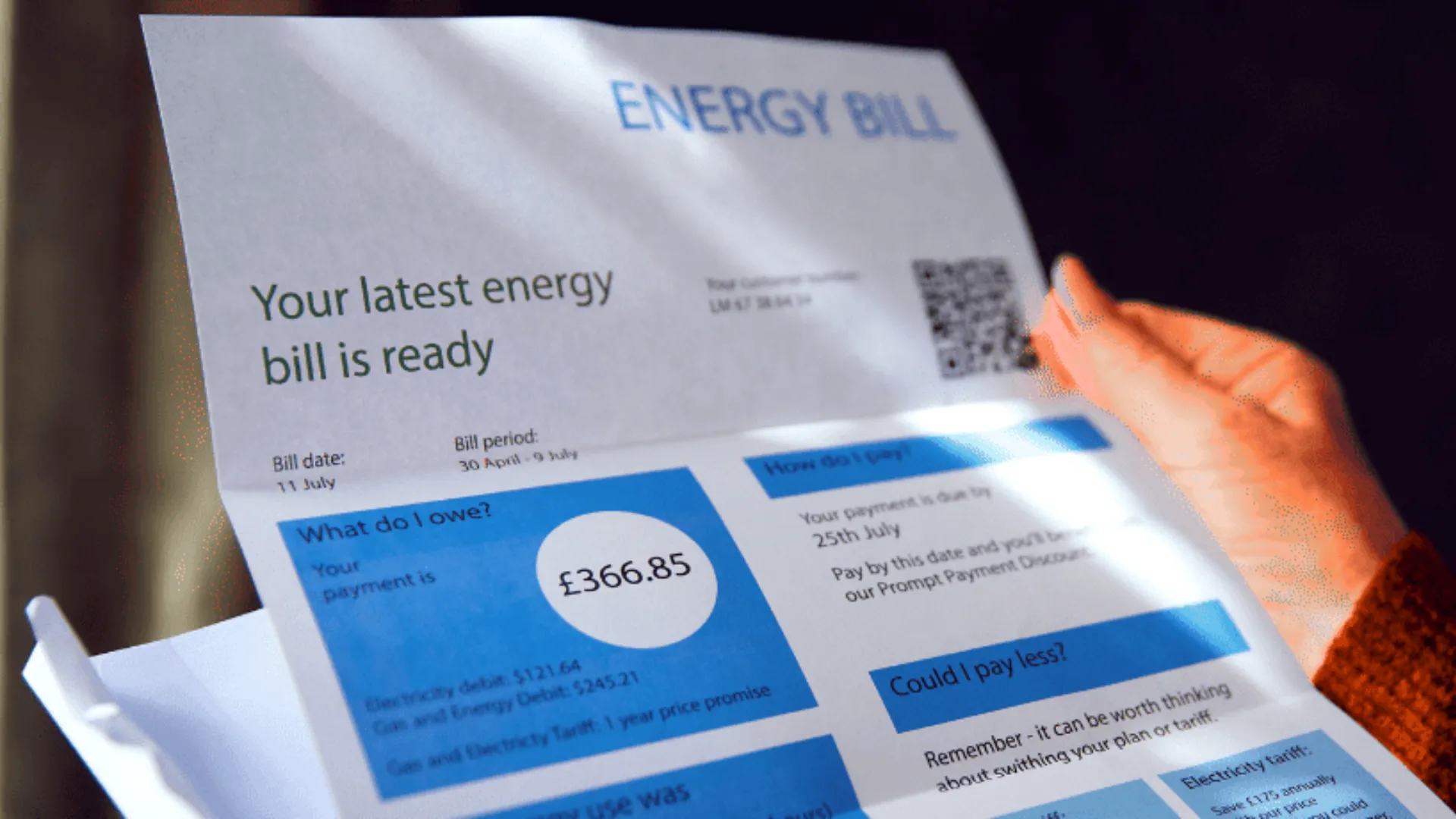
Understanding these concepts can help you review energy bills, identify usage patterns, and find opportunities to manage energy costs.
Ccf and Mcf
Ccf and Mcf are units used to measure natural gas consumption. Ccf means hundred cubic feet, while Mcf means thousand cubic feet. One Mcf equals 10 Ccf. Utilities and energy suppliers may use either unit when reporting natural gas consumption or pricing. Understanding the unit shown on your bill can help you compare natural gas usage and supplier rates accurately.
Electric Meter
An electric meter measures how much electricity your business consumes. Electricity usage is usually measured in kilowatt hours (kWh). Traditional analog meters use mechanical dials. Digital meters display usage electronically. Smart meters can record usage at regular intervals and send data to the utility. Meter data helps utilities calculate electricity bills and gives businesses a clearer view of when and how they use electricity.
Energy Demand
Energy demand measures how much electricity your business needs at a specific point in time. This differs from energy usage, which measures the total amount of electricity consumed over a period.
Many commercial customers pay demand charges based on their highest measured demand during a billing period. A short period of high electricity use can therefore increase a business’s bill even when total monthly consumption remains stable. Managing large equipment starts, production schedules, and other high usage periods can help businesses control demand.
Kilowatt Hour (kWh)
A kilowatt hour (kWh) is the standard unit used to measure electricity consumption. One kWh represents the energy used by a 1,000 watt device operating for one hour. For example, a 10 watt device running continuously for 100 hours uses 1 kWh. Electricity suppliers commonly express supply rates in cents per kWh. Your total electricity usage then helps determine the supply portion of your energy bill.
Load Factor
Load factor compares a business’s average electricity demand with its peak demand during a specific period. A higher load factor generally means electricity use stays relatively consistent. A lower load factor indicates larger differences between average and peak demand.
Businesses with significant demand charges can use load factor analysis to identify periods of high demand and evaluate ways to improve their usage patterns.
Load Profile
A load profile shows how a business uses electricity over time. It can display changes in demand throughout the day, week, month, season, or year.
Unlike load factor, which provides a single measurement, a load profile shows the actual pattern of energy use. Businesses can use this information to identify peak periods, plan equipment schedules, and evaluate opportunities to shift consumption.
Peak Demand Periods
Peak demand periods are times when electricity demand reaches high levels across a grid or within a specific market. These periods can affect wholesale electricity prices and commercial demand charges.
Peak periods vary by location, season, utility, and energy market. For example, high summer demand may occur during the afternoon and early evening when cooling loads increase.
Businesses with flexible operations may shift certain energy intensive activities to lower demand periods. Some may also use time of use rates or participate in demand response programs to manage energy costs.
Also Read:
Understanding Peak Demand Charges and How to Manage Them
Need Help Understanding Your Energy Usage?
Reviewing your meter data, demand patterns, and load profile can help identify areas where your business may reduce energy costs. An energy professional can help you evaluate your usage and available energy options.
Frequently Asked Questions
What is deregulated energy?
Deregulated energy allows eligible customers to choose their electricity or natural gas supplier instead of using the utility’s default supply service.
What is the difference between an energy supplier and a utility?
An energy supplier provides the electricity or natural gas supply. The utility delivers that energy through its local infrastructure and maintains the distribution system.
What is an energy broker?
An energy broker helps businesses compare suppliers, rates, contract terms, and energy products in competitive energy markets. Brokers may also assist with procurement and contract renewals.
What energy terms should businesses understand?
Businesses should understand terms such as electricity rates, energy demand, kWh, load factor, load profile, capacity, energy procurement, fixed rates, variable rates, and time of use pricing.