
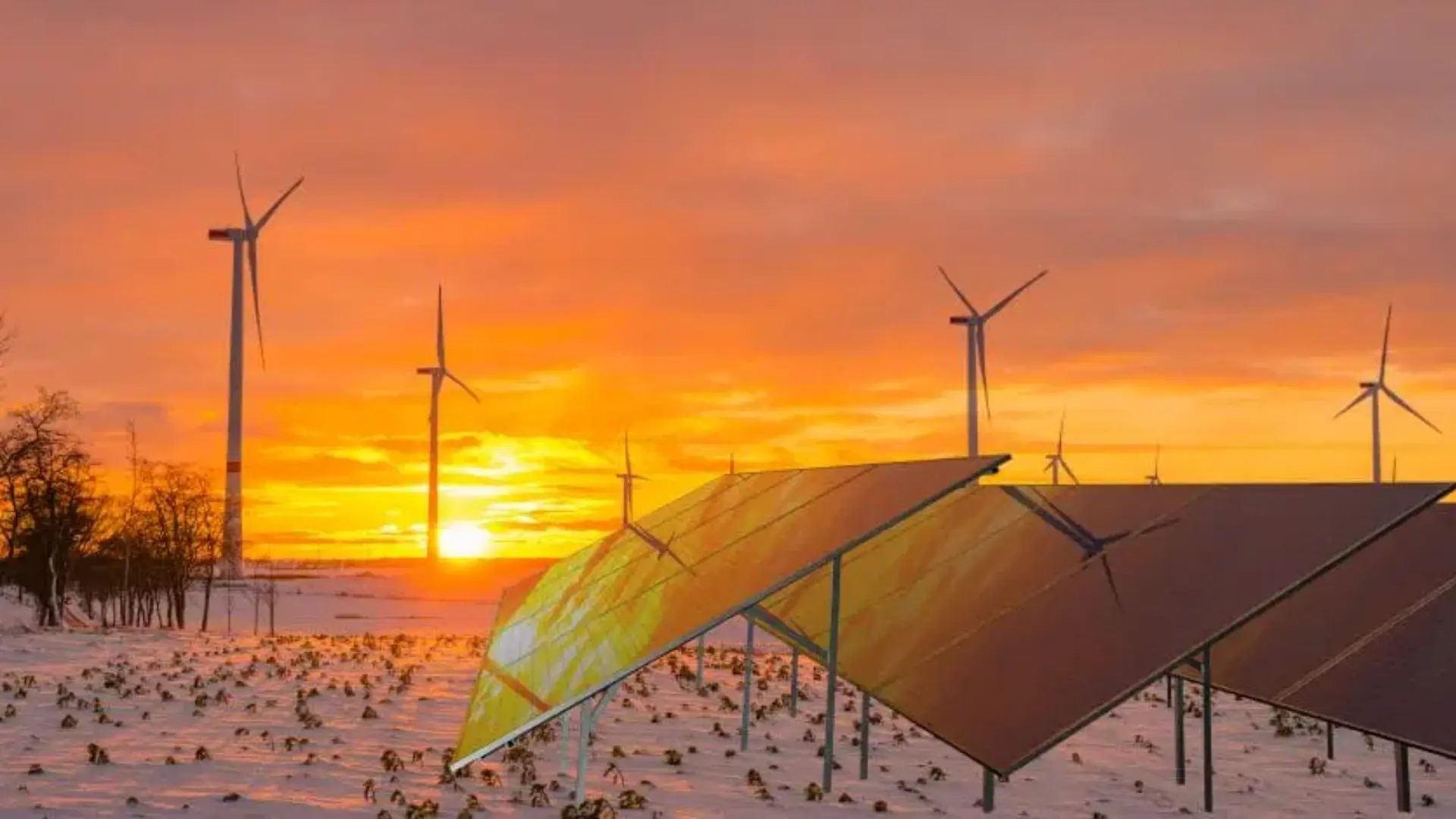
In today’s energy markets, weather is a major factor that affects prices. It can cause short-term price changes and long-term infrastructure problems. For commercial & residential energy customers and energy brokers, understanding this link is very important. It helps with energy buying decisions and risk management. The weather can strongly affect the energy system. Winter storms can freeze gas pipelines and stop wind turbines. Heatwaves in summer can increase energy demand because more people use air conditioning. These extreme weather conditions affect supply, demand, and prices across the energy market.
For businesses, weather events can change contract costs and increase risk. They can also affect energy planning strategies. Because of this, it is important to understand how weather impacts energy pricing. This article explains how weather changes supply and demand, gives real examples, and shares ways to reduce risk in the current market.
How Weather Affects Energy Demand
The amount of energy people utilise is influenced by the weather. Extreme temperature conditions may create abrupt surges in energy demand. Such changes can also affect wholesale energy markets. Summer heat waves boost electricity consumption. More cooling systems, like air conditioning, are used by people. In winter, colder weather boosts demand for natural gas, heating oil, and electricity used for heating systems.
Also, energy use varies by season. Lighting use may be a bit lower on summer days with longer daylight hours. But the need is larger for cooling. Winter days are shorter, thus individuals consume more heating and lighting. Local weather circumstances play a part, too. High humidity in southern regions increases cooling needs. Cloud cover in the north can block the sunshine and impede the output of solar power.
Related Blog:
Understanding Demand Charges and How They Affect Your Bill
How Weather Disrupts Supply
Extreme weather not only increases energy demand. It can also reduce energy supply. This makes energy problems worse for the electric grid. Renewable energy depends heavily on the weather. Wind power can change quickly when the wind speed changes. Solar power can also drop on cloudy days. This becomes more difficult when hot weather increases electricity demand at the same time. This makes it hard for grid operators to predict and balance supply.
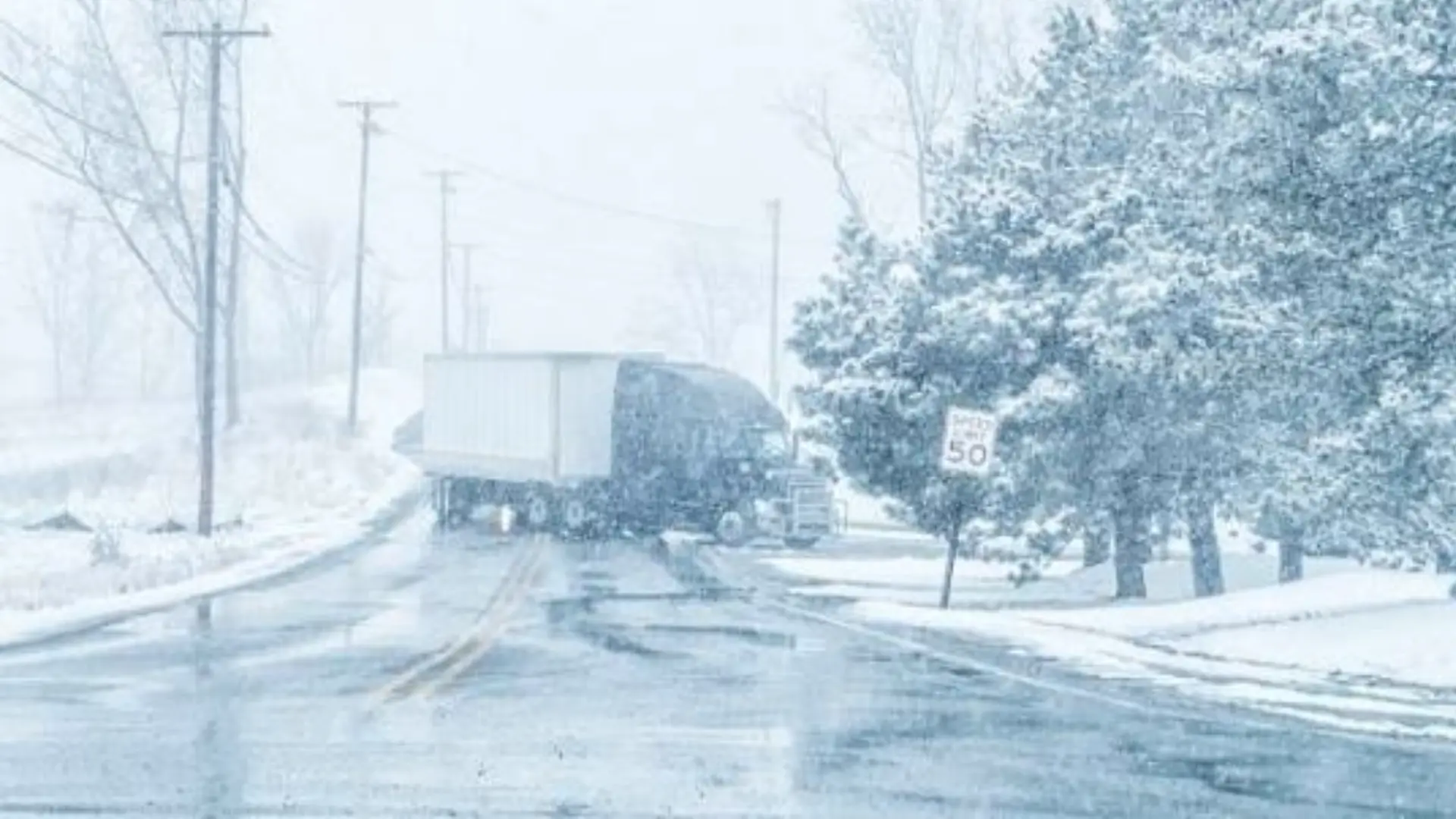
Fossil fuel supply systems are also affected by weather. Long periods of freezing weather can stop natural gas production. It can freeze pipelines and delay coal deliveries. In coastal areas, hurricanes can shut down offshore oil platforms.
They could also hit refineries and shut off LNG shipping lanes. Power lines and substations can be damaged by ordinary storms. This can necessitate emergency repairs and reduce the amount of electricity in some locations. Such interruptions may potentially spread to the surrounding areas. They can cut supply through interconnected systems and raise prices for electricity in numerous places.
Why This Matters for Businesses
Weather and energy markets are closely connected. This is important for businesses because it directly affects operating costs. When extreme weather happens, energy prices can rise quickly. This can increase electricity and fuel bills for businesses without warning. It can also make budgeting more difficult. Businesses that use a lot of energy are especially affected. Factories, offices, retail stores, and data centers may all see higher costs during heatwaves or cold spells.
Weather can also create risk in energy contracts. If prices change suddenly, businesses on variable or expired contracts may pay much more than expected. This is why energy planning is important. Businesses that prepare in advance can reduce risk. They can use strategies like fixed-rate contracts, demand management, energy efficiency, and backup systems. In simple terms, understanding weather risk helps businesses control costs, avoid surprises, and stay more stable during market changes.
Related Blog:
Spot vs Forward Markets: Managing Energy Costs Effectively
Real-World Examples of Weather’s Energy Market Impact
Even in recent years, extreme weather occurrences continue to impact energy prices. One of the most obvious examples remains Winter Storm Uri in 2021. Freezing temperatures strike Texas and the central portions of the U.S., and natural gas production ceased in numerous regions. The ice delayed the windmills. Several coal and gas facilities also had some operating problems. This led to massive power failures. And the prices for electricity skyrocketed to absurd proportions, hitting about $9,000 per MWh. It also caused several market players to suffer substantial financial losses.
More recent cold waves in North America and Europe (2023-2025 winters) have also shown similar risks. Sudden temperature drops increased heating demand. This put pressure on gas supplies and electricity grids, leading to short-term price spikes in several markets.
California’s summer heatwaves continue to be a strong example. In recent years, long heat periods have increased air conditioning use to record levels. This has stressed the power grid. In some cases, the state has still used rolling outages or emergency demand response to avoid grid failure. Electricity prices can rise quickly during these peak events. Hurricanes in the Gulf of Mexico and along the U.S. coast remain a major risk each year. Recent storms have temporarily shut down offshore oil and gas production, refineries, and shipping routes. Even short disruptions can reduce fuel supply and cause price increases in regional energy markets.
Related Blog:
Emerging Energy Markets: Trends, Challenges, and Opportunities
Market-Level Consequences
Weather-related disruptions often cause price changes in electricity and natural gas markets. When supply and demand change quickly, wholesale energy prices can rise or fall within hours. Future prices can also change when bad weather is expected. Natural gas is often used to produce electricity. Because of this, when gas prices increase during cold weather or heatwaves, electricity prices also increase.
For energy traders, weather is an important factor when predicting future prices. Price forecasts often change days or weeks before a weather event happens. For brokers and customers, this means extreme weather can affect future contract prices. Markets adjust prices in advance to include weather risks.
Mitigation Strategies
The weather is hard to predict. That is why planning is very important. Large energy users and brokers use different strategies to reduce risk.

Advanced Weather Forecasting
Brokers and energy managers use real-time tools to track weather and market changes. This helps them prepare for higher demand or supply problems before they happen. They also use smart buying strategies like hedging or off-peak index contracts. These help reduce exposure to very high prices.
Load Shifting
Load shifting means changing when electricity is used. Peak shaving means reducing energy use during high-demand times. These methods help businesses lower energy use during stressful grid conditions. Some companies also join demand response programs.
They can earn payments for reducing electricity use during peak times. Using time-of-use pricing also helps spread energy use more evenly and avoid expensive hours.
Energy Storage
Energy storage, such as batteries, helps maintain electricity stability when outages or system issues occur. This is particularly true for crucial facilities like hospitals and data centers. Brokers can also assist organisations in planning for seasonal risks. These plans could involve backup generators, battery storage, or quick response plans should weather or market conditions change.
Related Blog:
Energy Market Prices: Forecasts, Trends, And Predictions For 2026
Environmental Factors Influencing Energy System Performance
Environmental conditions play a critical role in shaping how efficiently energy systems operate, often referred to as energy weather in modern energy discussions. Variations in temperature, humidity, wind patterns, and sunlight directly influence both energy generation and consumption. For example, solar panels rely on consistent sunlight, while wind turbines depend on stable wind speeds to produce electricity.
At the same time, extreme temperatures can increase energy demand for heating or cooling, putting additional pressure on the grid. This interaction between environmental conditions and energy systems highlights the importance of energy weather in planning and operations. Natural events such as storms, floods, and heatwaves can also damage infrastructure, disrupt supply, and reduce system reliability. Understanding energy weather helps energy providers and businesses improve planning, enhance resilience, and maintain stable performance.
Best Improvement Strategy for Energy Markets
To make your content more useful and complete, you should follow a clear structure. This helps readers understand the topic step by step. Start with how the weather affects energy demand. Explain how hot and cold weather changes electricity use. Next, explain how the weather affects the energy supply. Show how wind, solar, and fuel systems can be disrupted.
Then, connect both to the energy market. Explain how supply and demand changes affect prices. After that, add a real-world example. This makes the idea easier to understand. Finally, include solutions. Talk about storage, backup power, demand response, and forecasting tools. Also, explain why this matters for businesses.
Conclusion
The weather has a strong impact on energy markets. It changes both energy demand and energy supply. This can lead to price changes, supply problems, and higher costs. Extreme weather events like heatwaves, cold storms, and hurricanes can make the energy system unstable. They can also affect renewable and fossil fuel energy sources.
That makes planning highly crucial for business and energy users. By understanding the weather hazards, unexpected expenses can be reduced. Forecasting, energy storage, demand response, and smart contracts are methods that can help with stability. In the end, greater planning enables businesses to be better prepared, manage energy expenses, and adapt to changes in the energy market with more ease.