
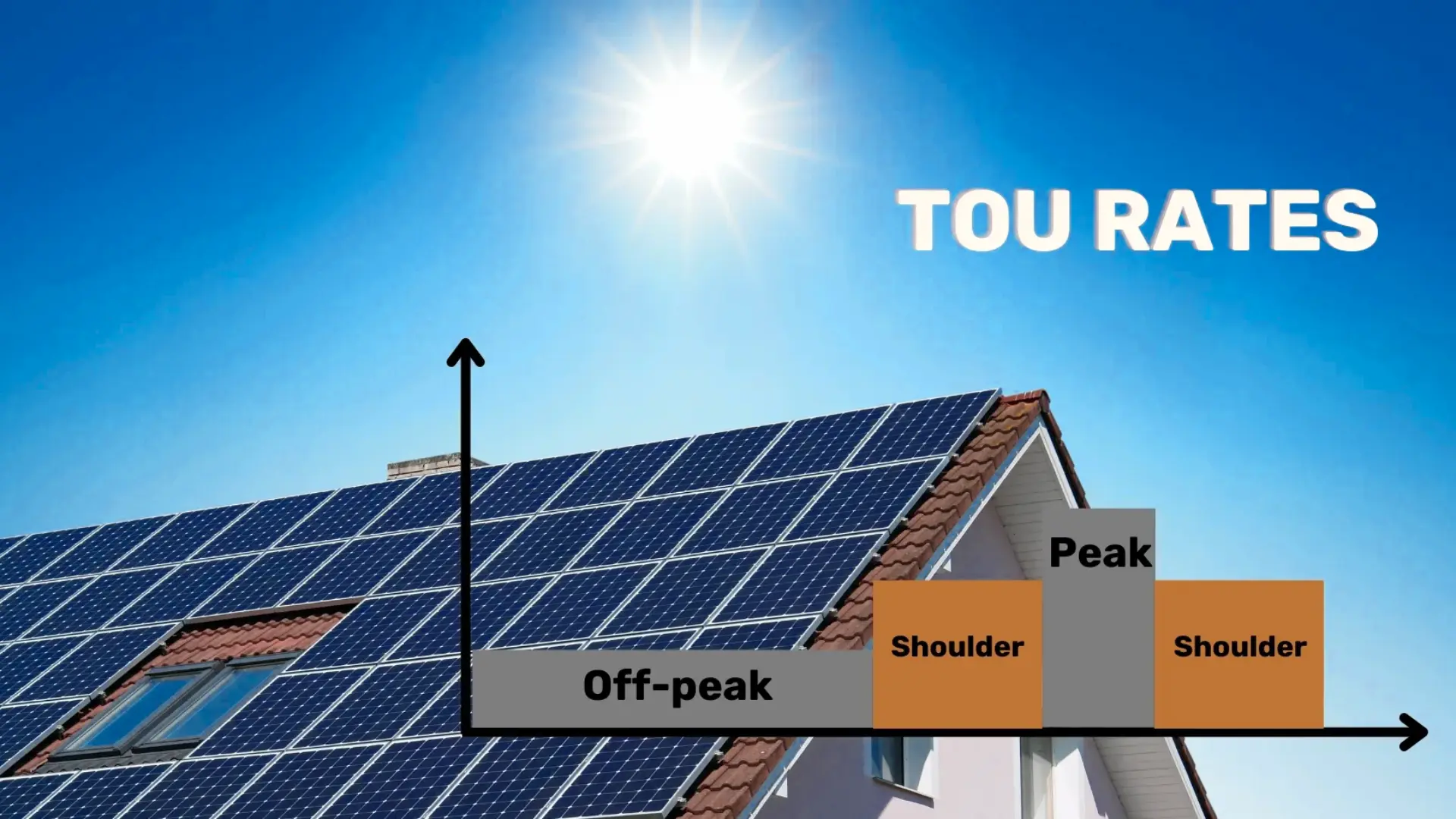
Time-of-Use (TOU) rates are changing how businesses manage gas and electricity costs. These rates change based on the time of day. Prices are higher during peak hours. Prices are lower during off-peak hours. Utilities use TOU rates to reflect real-time energy costs. This also helps to make the grid more efficient.
For businesses, TOU rates bring both benefits and challenges. Companies can lower costs by using energy during off-peak hours, such as at night or early morning. But businesses that must run during peak hours may pay higher costs. By understanding TOU rates, you’ll be better able to manage and reduce energy expenses.
What Is Time-of-Use (TOU)?
Time-of-Use (TOU) rates are energy prices that change based on the time of use. This is different from flat rates, where the price stays the same all day. Prices go up during peak hours when demand is high. Prices go down during off-peak hours when demand is low. Some plans also include mid-peak hours. At the wholesale level, electricity & gas prices change more often. Grid operators set prices based on supply and demand in real time.
Related Blog:
The Role of Electric Grid Operators: How They Keep the Power On
How Do TOU Rates Work?
TOU rates divide the day into different time periods. These are peak, mid-peak, and off-peak. Energy is cheaper during off-peak hours. This is usually at night. It is more expensive during peak hours. This is usually in the late afternoon and evening.
Rates can also change by season, weekday, weekend, and holidays. Some plans have peak hours from 4:00 PM to 9:00 PM. Others have shorter peak times on weekdays only.
Related Blog:
How Weather Affects Energy Markets, Supply, & Energy Prices
Why Are TOU Rates Necessary?
Electricity and gas costs change during the day. But standard utility rates usually change only once or twice a year. TOU rates help match prices with real energy costs. They show when power is expensive and when it is cheap. This helps customers understand energy pricing better. It also helps reduce energy use during peak hours.
Standard Bill vs. TOU Bill
A standard bill uses one fixed rate. Total natural gas and electricity use is multiplied by that rate. A TOU bill uses different rates based on the time of use. Usage is split into time periods. Some customers save money by shifting usage to off-peak hours. Others may pay more if they use energy during peak hours.
How to Make the Most of TOU Rates
One simple way to save money is to use energy during off-peak hours. Running appliances at night can reduce costs. Energy-efficient appliances also help lower bills. Solar panels can reduce grid electricity and natural gas use. Battery storage can store cheap or solar energy for later use.
Related Blog:
Top 50 Energy-Saving Tips for Businesses in 2026
Challenges of Time-of-Use (TOU) Rates
1. Changing energy habits
TOU rates require people to change when they use electricity. This is not always easy.
2. Daily routine limits
Many businesses and homes cannot move energy use. Work, school, and operations run at fixed times.
3. Higher peak-hour costs
If energy is used during peak hours, electricity bills can become more expensive.
4. Confusing pricing structure
TOU rates can be complex. Different hours, seasons, and days make billing harder to understand.
5. Limited control for essential users
Some industries must run equipment all day. They cannot avoid peak pricing.
6. Solar timing mismatch
Solar energy is produced mostly during the day. But peak prices often happen in the evening. This reduces savings for solar users.
Benefits of TOU Pricing
1. Cost Savings
Energy costs are lower during off-peak hours. This can reduce overall bills.
Related Blog:
What Are Building Energy Management Systems & How Do They Help Save Money?
2. Grid Stability
TOU rates reduce pressure on the power grid during peak hours. This improves reliability.
3. Environmental Benefits
TOU supports the use of renewable energy like solar and wind. This helps reduce emissions.
4. Better Energy Management
Businesses can manage energy use better. This helps reduce peak demand and control costs.
Related Blog:
How to Submit Energy Price Requests for Better Business Rates
Conclusion
Time-of-Use (TOU) rates are an important part of energy pricing. They change gas and electricity costs based on the time of day. This reflects real energy demand and supply. Businesses need to plan carefully with TOU rates. Using electricity and gas during off-peak hours can reduce costs, while peak-hour use can increase costs. Understanding TOU rates helps improve energy decisions.
TOU pricing also supports a stable and efficient power grid. It reduces high demand and promotes cleaner energy use. Businesses that manage TOU rates well can improve cost control and energy efficiency.