
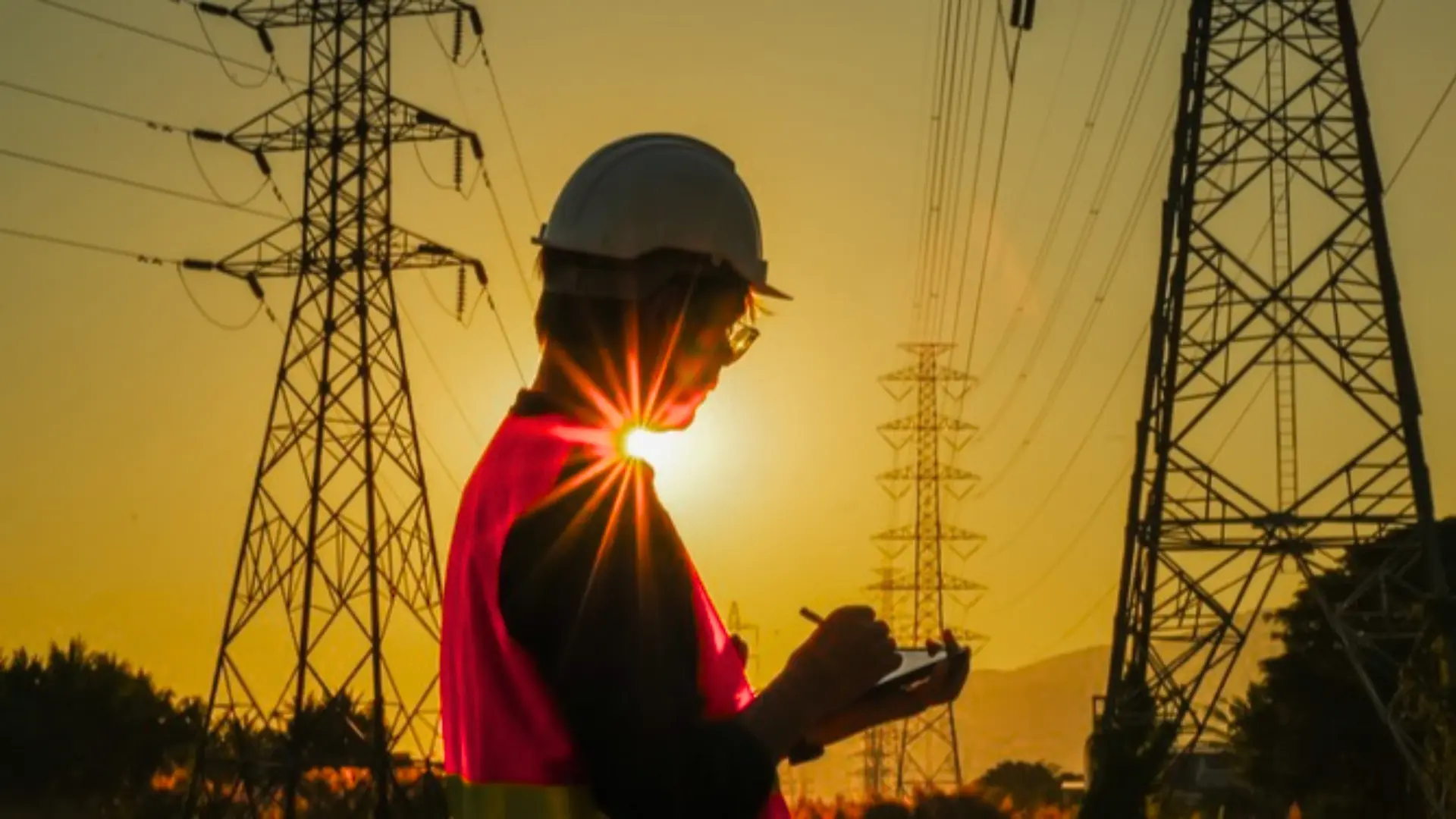
Essential to homes and businesses are electricity and natural gas. For this reason, the energy business has always been subject to heavy government regulation. Now these markets are being reshaped through energy deregulation. It created competition and additional options for customers in several states. This change provided opportunities but also obstacles and controversies.
In this post, we break down the energy deregulation history in the US. We also look at how deregulated markets have influenced the economy over time, covering both the benefits and the difficulties.
History of Deregulated Energy Markets in the United States
The U.S. energy industry has changed a lot over time. In the early days, companies rushed to build electricity and natural gas systems. Business leaders like J.P. Morgan and Westinghouse helped create the first utility companies. Over time, these companies became large monopolies.
Also Read:
What Are The Differences Between Regulated and Deregulated Energy?
The Rise of Regulation
1929: The Great Depression
The stock market crash of 1929 started the Great Depression. It made many people have money problems. During this period, huge utility companies had a monopoly on the energy market and could charge exorbitant electricity prices without restraint.
Since electricity had become essential for daily life, the government recognized the need to regulate these monopolies to protect consumers.
1935: Public Utility Holding Company Act (PUHCA)
In response, the government passed the Public Utility Holding Company Act (PUHCA) in 1935. This legislation aimed to control the influence of holding companies that owned multiple utility businesses across states.
Before PUHCA, these companies could inflate costs and recover investments at excessive rates, sometimes up to 200%. The act introduced stricter oversight, required registration with the SEC, and limited profit margins, ultimately reducing electricity costs for consumers.
Energy Crisis and Increased Government Involvement
1970s: United States Energy Crisis
During the 1970s, the U.S. was highly dependent on oil and petroleum for electricity production. The government stepped in to minimise reliance on fossil fuels and promote energy efficiency, since higher oil prices had resulted in higher electricity rates. Among the legislative events of this period were:
- 1973: Emergency Petroleum Allocation Act
- 1975: Energy Policy and Conservation Act
- 1977: Establishment of the Department of Energy (DOE)
Additional Milestones
- 1965: The Great Northeast Blackout exposed weaknesses in grid management.
- 1968: Formation of the North American Electric Reliability Council (NERC) to improve grid reliability.
- 1978: Public Utility Regulatory Policies Act (PURPA) encouraged energy conservation and renewable energy development.
The Shift Toward Deregulation
1977: Creation of FERC
The Federal Energy Regulatory Commission (FERC) was established to oversee interstate energy transmission and ensure reliable service. While FERC regulates infrastructure and operations, it does not control electricity pricing.
1992: National Energy Policy Act
This act initiated deregulation by establishing competitive wholesale power markets. It opened the market to new players, called Exempt Wholesale Generators (EWGs), to compete with incumbent utilities.
Opening the Market to Competition
1996: FERC Order 888
FERC Order 888 mandates that utilities offer non-discriminatory access to transmission lines. Utilities used to own generating and transmission, which limited competition. The order divided those tasks and prompted states to start partial deregulation.
1999: FERC Order 2000
Order 2000 further advanced deregulation by establishing Regional Transmission Organizations (RTOs). These organizations manage multi-state electricity grids, improving efficiency and enabling power trading across regions.
By this time, several states-including California, Texas, New York, and Pennsylvania-had adopted partial deregulation.
Continued Policy Evolution
2005: Energy Policy Act
The Energy Policy Act of 2005 transferred regulatory authority from the SEC to FERC, strengthening federal oversight of energy markets and infrastructure.
Challenges and Market Risks
2001: Enron Collapse
The failure of Enron highlighted risks in deregulated markets. The company manipulated electricity supply to create artificial shortages, leading to inflated prices, particularly in California. This event raised concerns about market oversight.
2021: Texas Winter Storm
A severe winter storm in Texas exposed vulnerabilities in deregulated energy systems. Power outages affected millions, and the financial impact was passed on to consumers, sparking further debate about deregulation.
Modern-Day Deregulated Energy Markets
By 2012, nearly half of U.S. states had implemented some form of energy deregulation for electricity, natural gas, or both. Texas remains the most fully deregulated state, with over 80% market participation. However, some states, such as California and Michigan, scaled back deregulation efforts due to market instability.
Types of Deregulation
Full Deregulation
In completely deregulated jurisdictions (e.g., Texas), consumers are mandated to purchase power from third parties known as Retail Energy Providers (REPs). Utilities don’t sell electricity anymore. They only maintain infrastructure and distribute power.
Partial Deregulation
In the partially deregulated states (including Pennsylvania, New York, Illinois, and New Jersey), utilities still provide default energy supply rates. Consumers can opt to remain with their utility or move to third-party suppliers for potentially better prices or programmes.
Also Read:
Is Energy Deregulation Good? How It Works & What It Means for Businesses
Economic Impacts of Energy Deregulation
Energy deregulation was designed to lower costs for consumers. However, the results are mixed. In many cases, prices in deregulated markets are higher than in regulated markets. This is partly because states with already high energy costs were more likely to adopt deregulation.

The positive aspect is that the price differential between deregulated and regulated markets has decreased over time. The gap has shrunk by almost one cent per kilowatt-hour (kWh).
Wholesale energy prices have generally decreased over the years. However, not all customers take advantage of energy choice. Many people still stay with default options instead of shopping for better rates.
Energy Deregulation Controversy
Deregulation was designed to reduce costs, but results have been mixed. In some cases, deregulated markets have higher prices than regulated ones, partly because higher-cost states adopted deregulation first.
However, the price gap between regulated and deregulated markets has narrowed over time. Wholesale prices have generally decreased, though many consumers do not actively shop for better plans.
Pros
- Encourages free market competition
- Can lower prices over time
- Creates job opportunities
- Supports new technology and innovation
Cons
- Variable rates can be unpredictable
- Plans can be confusing for customers
- Risk of misleading offers or scams
- Requires more consumer awareness
- Can be harder to regulate
Also Read:
Energy Deregulation for Multi-State Businesses: Challenges and Strategies
Conclusion
Energy deregulation in the United States has changed how electricity and natural gas markets operate. It provides consumers with more choices and promotes competition among providers, which may lead to better plans and possible savings. But it also adds complexity, and prices are not necessarily lower in deregulated areas.
Some clients may be confused by confusing plans or unexpected rate increases. Deregulation, in general, has both upsides and downsides. The bottom line for customers is to be well-informed, compare options carefully, and select plans that meet their needs. As the energy business changes, deregulation will continue to be a big, controversial part of it.