
Energy Brokers in West Virginia, USA
Home » Energy Brokers in West Virginia, USA
Practical Energy Solutions for West Virginia Businesses
Energy plays a critical role in keeping businesses running smoothly across West Virginia. From coal operations and manufacturing plants to healthcare facilities, retail stores, and small local businesses, reliable electricity and natural gas are essential every day.
Working with experienced energy brokers in West Virginia gives businesses a clearer view of their energy use and costs. Instead of dealing with complex bills and changing rates, companies get simple guidance based on real data.
Great Energy 1 helps businesses understand where energy is being used, how costs are calculated, and what steps can improve efficiency. The focus is on reducing waste, improving cost control, and building a stable long-term energy strategy.
Get Quote
What Businesses Pay for Electricity Businesses
As of 2026, commercial electricity rates in West Virginia typically range between 9.5¢ and 13.2¢ per kilowatt-hour (kWh). Electricity prices are generally close to or slightly below the national average. This is largely due to the state’s strong energy production, especially from coal and natural gas. Coal remains a major source of electricity generation, helping maintain a consistent supply. Natural gas and a growing share of renewable energy also support the energy mix.
Even with a stable supply, businesses may see higher costs during peak seasons. Summer heat increases cooling demand, while industrial operations can add steady year-round usage. Electricity service is regulated. Most businesses receive power from utilities such as Appalachian Power or Mon Power. While supplier choice is limited, businesses can still lower costs through better usage planning and efficiency improvements.
What Businesses Pay for Natural Gas Businesses
As of 2026, commercial natural gas rates in West Virginia generally range between $8.40 and $11.70 per Mcf. West Virginia is a major natural gas-producing state, thanks to the Marcellus Shale region. This local production helps maintain a strong supply and competitive pricing.
Natural gas is widely used for heating, manufacturing, and power generation. Demand increases during colder months, especially in winter when heating needs rise.
Even with a strong supply, prices can change based on weather and market conditions. Businesses that monitor usage and plan can better manage their energy expenses.
Ready to Lower Your Energy Costs?
Simple Way to Improve Your Energy Strategy
Great Energy 1 keeps the process simple and easy to follow.
Share Your Business Details
Start by providing basic information about your business and energy usage.
Get Clear Energy Insights
We review your data and explain your energy costs in simple terms.
Take the Next Step
Choose the best approach for your business, and we will help manage everything moving forward.
Supporting a Wide Range of Businesses
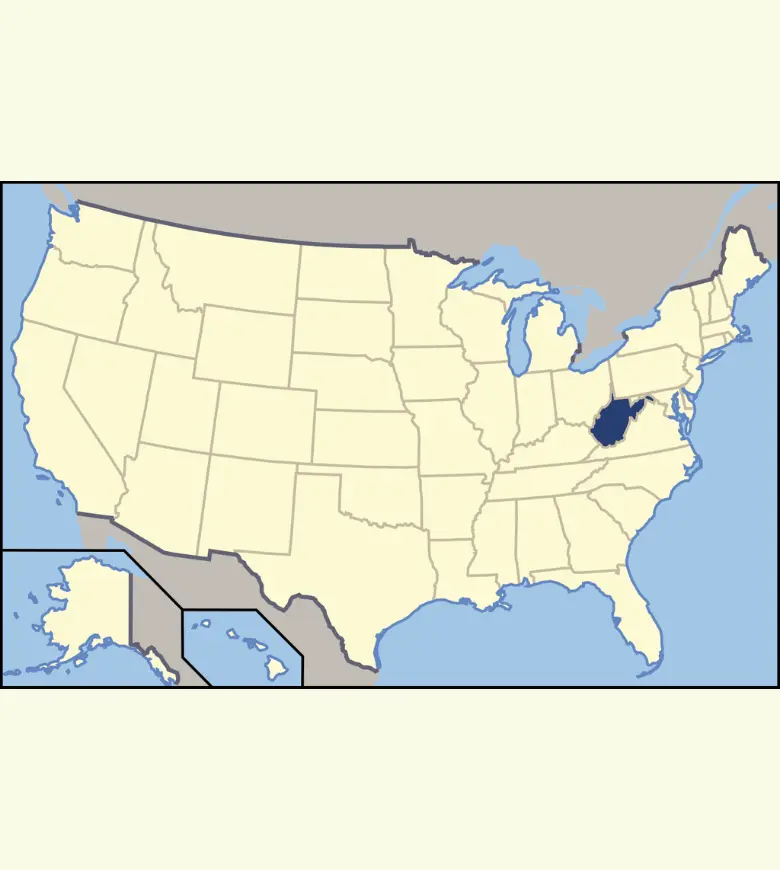
West Virginia has a diverse economy. Key industries include energy production, manufacturing, chemicals, healthcare, and small businesses. Each industry has different energy needs. Manufacturing plants need steady power for production. Healthcare facilities require reliable systems at all times. Small businesses focus on managing monthly expenses. Great Energy 1 supports businesses in Charleston, Huntington, Morgantown, and across smaller communities. Every solution is tailored to actual usage and business goals.
Long-Term Energy Planning That Works
Energy costs are affected by weather, production levels, and demand changes. Instead of focusing only on current rates, we help businesses look at the bigger picture. Understanding how energy is used inside your operation can lead to better decisions and long-term savings. Ongoing support allows businesses to adjust their energy strategy as conditions change.
Choosing the Right Energy Approach
Businesses usually choose between stability and flexibility.
Stable Cost Planning
Some businesses prefer predictable monthly costs. This helps with budgeting and reduces the risk of sudden price increases.
Flexible Cost Planning
Other businesses prefer rates that follow market trends. This can create savings opportunities but may come with some risk.
Understanding the Energy System in West Virginia
West Virginia operates under a regulated energy system. Utilities are assigned specific service areas and are responsible for both generating and delivering electricity. This structure ensures consistent service and reliable infrastructure across the state.
Natural gas is also regulated and delivered through pipeline networks connected to major production regions. Pricing depends on supply levels, transportation, and seasonal demand. Strong local energy production helps support long-term energy stability and availability.
Ready to Lower Your Energy Costs?
How are utility service areas defined in WV?
Service areas are assigned by regulation, meaning each utility is responsible for a specific geographic region to ensure consistent coverage.
Why do utilities handle both generation and delivery?
Managing both processes allows utilities to maintain better control over reliability, infrastructure, and overall energy supply.
How does the regulated system support reliability?
A regulated structure ensures utilities follow strict guidelines, helping maintain steady service and reduce disruptions.
How is natural gas connected to major supply regions?
Pipeline networks link the state to large production areas, allowing continuous and stable natural gas flow to businesses.
What factors impact natural gas distribution efficiency?
Pipeline infrastructure, transportation logistics, and maintenance all play a role in how efficiently gas is delivered.
Why is local energy production important for stability?
Strong in-state production reduces reliance on external sources and helps maintain consistent energy availability over time.
Industries We Support
Great Energy 1 works with a wide range of industries across WV. We help businesses improve efficiency and manage both electricity and natural gas costs. We support manufacturing, energy production, healthcare, logistics, retail, and small businesses. Each solution is designed based on real operational needs.

Warehouses
Lower gas & electricity costs, improve efficiency, and keep warehouse operations running smoothly with reliable power solutions.

Schools
Create a comfortable, cost-effective, and sustainable learning environment for students and staff with smart electricity & gas management.

Office Buildings
Reduce expenses, enhance workplace comfort, and support sustainability with gas & electricity-efficient solutions for office spaces.

Nursing Homes
Ensure safety, comfort, and reliable electricity & gas for nursing homes, keeping residents and staff at ease.

Shopping Centers
Save gas & electricity costs, improve lighting, and create a better shopping experience for businesses and customers.

Property Management
Optimize electricity & gas use, lower costs, and improve sustainability for residential and commercial properties.

Manufacturing Companies
Boost production efficiency, reduce gas & electricity costs, and keep manufacturing operations running without interruptions.
Answers to Common Questions
Frequently Asked Questions
Commercial electricity rates typically range between 9.5¢ and 13.2¢ per kWh.
Businesses usually pay between $8.40 and $11.70 per Mcf.
No. Electricity is provided by regulated utilities based on service areas.
Local coal and natural gas production help support a stable energy supply and competitive pricing.
Cold weather increases heating demand, which raises natural gas usage and overall energy costs.
They can improve efficiency, monitor usage, and apply better energy planning strategies.
Hear What People Are Saying About Us
Testimonial

