
Energy Brokers in North Carolina, USA
Home » Energy Brokers in North Carolina, USA
Smarter Ways for Businesses to Manage Energy Costs
Running residential and commercial energy businesses in North Carolina comes with many expenses, and energy is one of the biggest. From manufacturing plants and tech companies to farms, hospitals, and retail stores, every business depends on stable electricity and natural gas every day.
Working with experienced energy brokers in North Carolina helps simplify energy decisions. Instead of dealing with confusing utility bills and changing rates, businesses get clear support based on real usage data.
Great Energy 1 helps companies understand how they use energy, what they are paying for, and where they can save. The goal is simple. Reduce waste, improve efficiency, and build a more predictable energy budget for the future.
Get Quote
What are Electricity Costs for Businesses
As of 2026, both residential and commercial electricity rates in North Carolina typically range between 10.8¢ and 14.5¢ per kilowatt-hour (kWh). Electricity prices in the state are close to the national average, but they can vary depending on location, utility provider, and usage patterns. Large cities and industrial areas may see different pricing structures compared to rural regions. North Carolina has a strong and diverse energy mix. Electricity is generated from natural gas, nuclear power, coal, and renewable sources like solar energy.
This mix helps maintain supply stability while supporting growing demand from businesses and population growth. Even with a balanced energy system, businesses can still face higher bills during peak summer months. Hot weather increases air conditioning use, especially in offices, warehouses, and manufacturing facilities. Electricity service is regulated. Most businesses receive power from utilities such as Duke Energy or Dominion Energy, depending on their area. While supplier choice is limited, businesses can still reduce costs through better energy planning and efficiency strategies.
What are Natural Gas Rates for Businesses
As of 2026, both residential and commercial natural gas rates in North Carolina generally range between $9.50 and $12.80 per Mcf. Natural gas is widely used for heating, cooking, manufacturing, and power generation. It plays an important role in keeping both residential and commercial energy systems running efficiently. Supply comes through interstate pipeline networks connected to major production regions. This helps maintain steady availability across the state.
However, pricing can still change based on seasonal demand. Winter months usually bring higher consumption, especially for heating in commercial buildings and industrial facilities. Businesses that monitor usage and plan ahead are better positioned to control costs and avoid unexpected spikes in monthly bills.
Unlock Better Energy Rates in NC Today
A Simple Process to Improve Your Energy Strategy
Great Energy 1 makes energy planning easier for businesses across North Carolina.
Start with Your Business Details
We begin by understanding your industry, location, and monthly energy usage. This helps us identify the right approach for your needs.
Get Clear Energy Insights
We analyze your consumption and break down your energy costs in simple terms. No confusing language, just clear information you can use.
Move Forward with Confidence
Once you choose a solution, we guide the process from start to finish and provide ongoing support when needed.
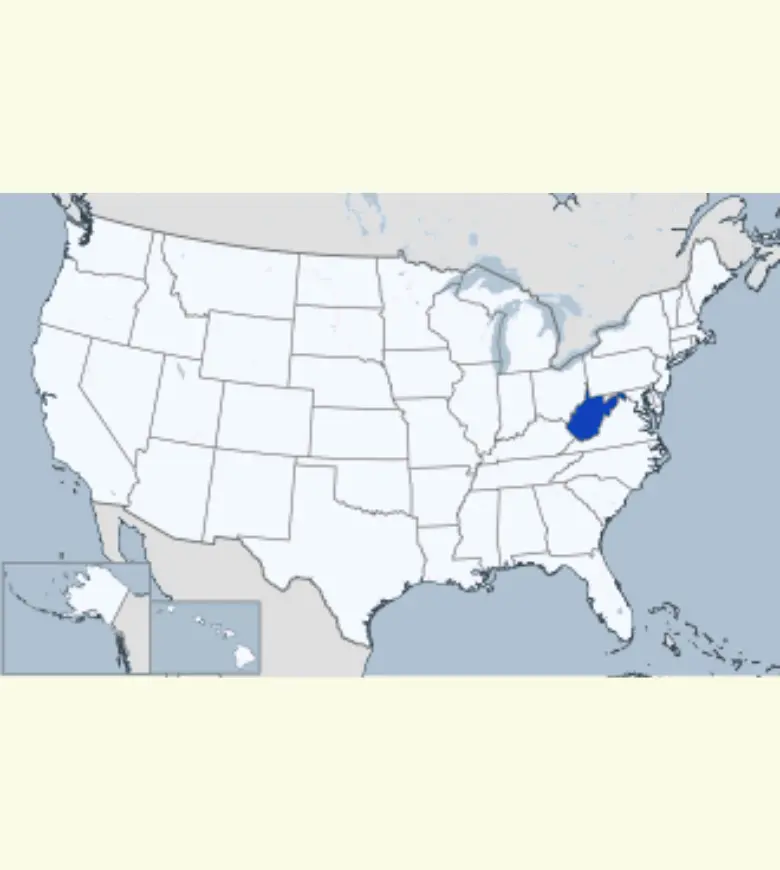
Supporting Businesses Across North Carolina
North Carolina has a strong and growing economy. Key industries include technology, banking, healthcare, manufacturing, agriculture, and education. Each industry uses energy differently. Data centers need stable power around the clock. Farms rely on energy for equipment and storage. Manufacturing facilities depend on consistent electricity for production lines.
Great Energy 1 supports businesses across Charlotte, Raleigh, Greensboro, Durham, and smaller industrial towns. Every solution is based on real energy usage, not general assumptions.
Smarter Energy Use for Long-Term Savings
Energy costs are influenced by weather, demand, and operational habits. Instead of focusing only on rates, we also look at how energy is being used inside your business. Small changes in usage patterns can lead to meaningful savings over time. With ongoing support, businesses can adjust their energy strategy as their operations grow or change.
Energy Planning Approaches for Businesses
Businesses in North Carolina usually choose between stability and flexibility when managing energy costs.
Stable Budget Approach
Some companies prefer predictable monthly expenses. This approach helps reduce risk from seasonal changes and makes budgeting easier throughout the year.
Flexible Market Approach
Other businesses prefer pricing that follows market conditions. This can create savings opportunities when prices drop, but may involve some level of risk.
How the Energy System Works in NC
North Carolina has a regulated energy system. This means electricity is provided by assigned utilities based on service areas rather than open supplier competition. Utilities are responsible for generating and delivering electricity to homes and businesses. This structure ensures consistent service and reliable infrastructure.
Natural gas is also regulated and delivered through pipeline systems. Pricing depends on supply conditions, transportation costs, and seasonal demand. The state continues to expand its use of solar energy, which plays a growing role in supporting long-term energy needs.
Ready to Reduce Your Energy Costs?
Why is North Carolina’s energy system considered regulated?
North Carolina follows a regulated model where utilities are assigned service areas and operate under state oversight to ensure consistent supply and pricing structure.
How do utilities support energy reliability in the state?
Utilities manage generation, infrastructure, and delivery together, which helps maintain stable electricity service across both urban and rural areas.
Why don’t businesses choose their electricity supplier in North Carolina?
Electricity supply is assigned by utility territory rather than open competition, so businesses receive service from the utility responsible for their region.
How is electricity infrastructure managed across the state?
Infrastructure is built and maintained by utilities, ensuring power plants, transmission lines, and distribution systems work together efficiently.
What ensures consistent energy service in different regions?
Regulated utility operations and defined service territories help ensure businesses receive reliable electricity regardless of location within the state.
How does the current system affect long-term energy planning?
Because utilities control supply and delivery, businesses often focus on usage management and efficiency improvements for better long-term cost control.
Industries We Support
Great Energy 1 works with a wide range of industries across North Carolina. We help businesses improve efficiency and manage electricity and natural gas costs. We support manufacturing, agriculture, healthcare, education, logistics, retail, and technology-driven companies. Each solution is tailored to real operational needs.

Warehouses
Lower gas & electricity costs, improve efficiency, and keep warehouse operations running smoothly with reliable power solutions.

Schools
Create a comfortable, cost-effective, and sustainable learning environment for students and staff with smart electricity & gas management.

Office Buildings
Reduce expenses, enhance workplace comfort, and support sustainability with gas & electricity-efficient solutions for office spaces.

Nursing Homes
Ensure safety, comfort, and reliable electricity & gas for nursing homes, keeping residents and staff at ease.

Shopping Centers
Save gas & electricity costs, improve lighting, and create a better shopping experience for businesses and customers.

Property Management
Optimize electricity & gas use, lower costs, and improve sustainability for residential and commercial properties.

Manufacturing Companies
Boost production efficiency, reduce gas & electricity costs, and keep manufacturing operations running without interruptions.
Frequently Asked Questions
Commercial electricity rates typically range between 10.8¢ and 14.5¢ per kWh, depending on usage and location.
Businesses usually pay between $9.50 and $12.80 per Mcf for natural gas.
No. Electricity is provided by regulated utilities based on service areas.
Hot and humid summers increase air conditioning use, especially in commercial and industrial buildings.
Most businesses are served by Duke Energy or Dominion Energy, depending on their location.
They can improve efficiency, adjust usage habits, and choose better rate structures offered by their utility.
Hear What People Are Saying About Us
Testimonial

