
Energy Brokers in South Carolina, USA
Home » Energy Brokers in South Carolina, USA
Smarter Energy Management for South Carolina Businesses
Energy is a key operating cost for businesses across South Carolina. From manufacturing plants in Charleston and Greenville to hospitality businesses along the coast and logistics hubs near Columbia, companies depend on reliable electricity and natural gas every day. Working with experienced energy brokers in South Carolina helps businesses better understand how their energy costs are structured and where savings may be possible.
Great Energy 1 supports companies by reviewing usage patterns, comparing available options where applicable, and building strategies that improve efficiency and reduce long-term expenses. Instead of navigating complex utility information alone, businesses receive clear guidance and practical solutions designed to support financial stability and operational performance.
Get Quote
What Businesses Pay for Electricity in South Carolina?
As of 2025-2026, commercial electricity rates in South Carolina generally range between 12¢ and 15¢ per kilowatt-hour (kWh), depending on the utility provider, location, and usage profile. South Carolina’s electricity supply is supported by a diverse energy mix that includes nuclear power, natural gas, coal, and growing renewable sources like solar. The state is one of the largest nuclear energy producers in the U.S., which helps support long-term price stability.
Even with relatively stable rates, businesses still experience fluctuations. High summer temperatures increase air conditioning demand, especially in coastal and inland industrial areas. This seasonal usage can raise monthly bills for businesses with heavy cooling needs.
What Businesses Pay for Natural Gas in South Carolina?
As of 2025, commercial natural gas prices in South Carolina typically range between $10.50 and $13.50 per Mcf, depending on demand and service area. Natural gas is an important fuel source for heating, manufacturing, and commercial operations. Demand increases during colder months, especially in the northern parts of the state, which can temporarily raise pricing levels.
SC receives natural gas through interstate pipeline systems connected to major supply regions in the southeastern United States. This helps maintain steady availability, although pricing can still vary based on weather conditions and national market trends. Most commercial customers receive gas service through regulated utilities such as Dominion Energy South Carolina. Even in a regulated environment, businesses can manage costs through better usage planning and efficiency improvements.
Unlock Better Energy Rates in South Carolina Today
Improve Your Energy Strategy in 3 Simple Steps
Great Energy 1 makes energy decisions easier for SC businesses.
Share Your Business Details
Provide basic information such as your location, industry type, and estimated energy usage. This helps us understand your energy needs.
Review Your Energy Insights
We analyze your consumption patterns and identify opportunities to reduce waste and improve efficiency. You receive clear, easy-to-understand recommendations.
Take Action with Confidence
Once you choose a solution, we guide you through implementation and provide ongoing support to help you maintain cost control over time.
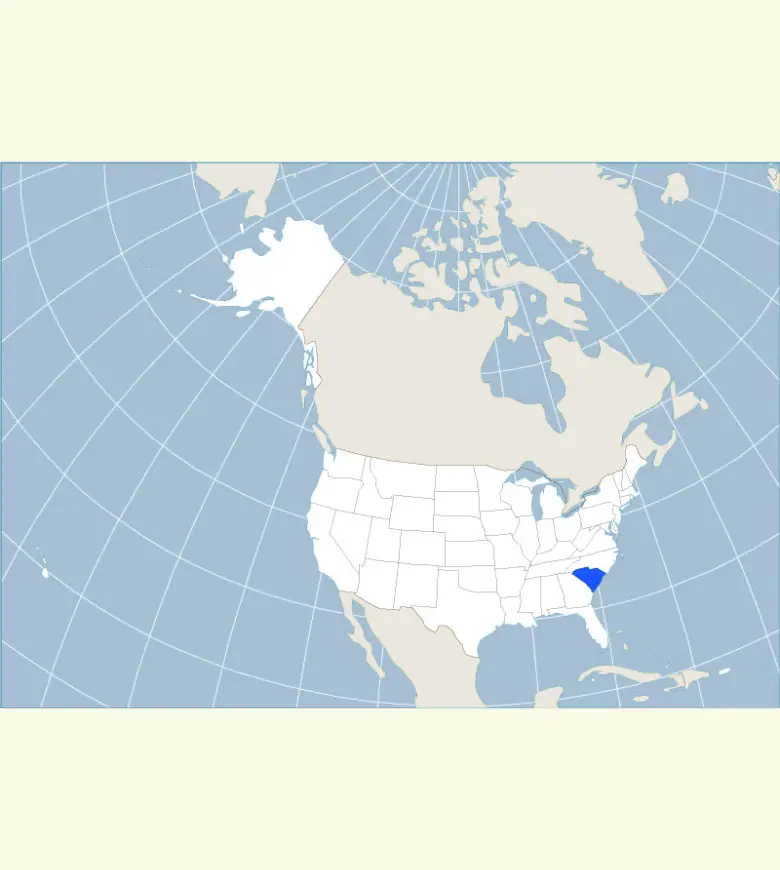
Supporting Businesses Across SC
SC has a strong and growing economy. Key industries include manufacturing, automotive production, aerospace, logistics, tourism, and agriculture. Each sector uses energy differently. Manufacturing plants require continuous power for production lines. Tourism and hospitality businesses rely heavily on cooling systems during hot months. Warehouses and logistics centers often have large lighting and equipment demands. Great Energy 1 supports businesses across Charleston, Columbia, Greenville, Spartanburg, Myrtle Beach, and surrounding regions. Our approach is tailored to each business so energy use becomes more efficient and predictable.
Smarter Energy Planning for Long-Term Savings
Energy costs are influenced by seasonal demand, weather patterns, and utility rate structures. Without a clear strategy, businesses may overpay or miss opportunities to reduce usage. Great Energy 1 helps businesses understand their energy profile and identify practical ways to improve efficiency. Small operational changes can often lead to meaningful cost reductions over time.
Energy Cost Strategies for SC Businesses
Different businesses have different priorities when managing energy expenses.
Stable Cost Strategy
Some businesses prefer predictable monthly bills. Fixed-style approaches help reduce exposure to seasonal price changes and make budgeting easier. This strategy is often useful for offices, schools, healthcare facilities, and other organizations that need consistent cost control.
Flexible Cost Strategy
Other businesses prefer a more adaptable approach. Flexible strategies allow energy costs to move with market conditions. When prices decrease, businesses can benefit from lower costs. However, this approach may also involve some risk during high-demand periods.
Understanding South Carolina’s Energy System
SC operates under a regulated electricity structure. Businesses receive electricity from assigned utility providers rather than choosing from competing suppliers. Major utilities such as Duke Energy and Dominion Energy serve most commercial customers, while smaller cooperatives provide service in rural areas. Each utility has its own approved rate structure regulated by state authorities. Natural gas service is also regulated in most regions, with pricing based on utility rates and supply conditions.
Ready to Lower Your Energy Costs?
FAQs About the South Carolina Energy Market
Why is electricity service assigned to specific utilities?
South Carolina uses a regulated system where service areas are divided among utilities. This ensures reliable delivery and consistent service standards across the state.
Which utilities serve most commercial customers?
Most businesses are served by Duke Energy or Dominion Energy, depending on their location. Rural areas are often covered by local electric cooperatives.
How are electricity rates approved?
Rates are reviewed and approved by state regulatory authorities. This helps ensure pricing is fair and reflects operating and infrastructure costs.
What role do electric cooperatives play in South Carolina?
Electric cooperatives provide energy to rural communities. They help ensure businesses outside major cities still receive stable and reliable electricity service.
How is solar energy impacting South Carolina’s power system?
Solar energy is expanding quickly in the state. It is helping diversify the energy supply and improve the long-term stability of electricity generation.

Industries We Support
Great Energy 1 works with businesses across South Carolina to improve energy efficiency and manage electricity and natural gas costs. We support manufacturing facilities, automotive plants, hospitality businesses, logistics hubs, agricultural operations, and office-based companies. Each solution is customized based on real usage patterns and operational needs.

Warehouses
Lower gas & electricity costs, improve efficiency, and keep warehouse operations running smoothly with reliable power solutions.

Schools
Create a comfortable, cost-effective, and sustainable learning environment for students and staff with smart electricity & gas management.

Office Buildings
Reduce expenses, enhance workplace comfort, and support sustainability with gas & electricity-efficient solutions for office spaces.

Nursing Homes
Ensure safety, comfort, and reliable electricity & gas for nursing homes, keeping residents and staff at ease.

Shopping Centers
Save gas & electricity costs, improve lighting, and create a better shopping experience for businesses and customers.

Property Management
Optimize electricity & gas use, lower costs, and improve sustainability for residential and commercial properties.

Manufacturing Companies
Boost production efficiency, reduce gas & electricity costs, and keep manufacturing operations running without interruptions.
Answers to Common Questions
Frequently Asked Questions
Commercial electricity rates typically range from 12¢ to 15¢ per kWh, depending on the utility and location.
Businesses usually pay between $10.50 and $13.50 per Mcf, depending on demand and service area.
No. South Carolina has a regulated electricity market, so businesses receive service from their local utility provider.
Major providers include Duke Energy and Dominion Energy, along with regional electric cooperatives.
Hot and humid summers increase demand for air conditioning, which raises electricity consumption.
Yes. South Carolina is expanding its solar capacity, making renewable energy a growing part of the state’s power supply.
Yes. Efficiency improvements, better usage management, and selecting suitable utility rate options can all help reduce costs.
Hear What People Are Saying About Us
Testimonial

