
Energy Brokers in Wisconsin, USA
Home » Energy Brokers in Wisconsin, USA
Better Energy Planning for Wisconsin Businesses
Running a business in Wisconsin means managing many costs, and energy is one of the biggest. From manufacturing facilities in Milwaukee to dairy farms and local shops across the state, businesses depend on steady and affordable power every day.
Working with our experienced energy brokers in Wisconsin gives your business a smarter way to manage these costs. Great Energy 1 helps companies understand how energy pricing works, where money is being spent, and what steps can be taken to improve efficiency. Instead of guessing or dealing with complicated utility bills, you get clear insights and practical solutions. Our team focuses on helping your business stay efficient, reduce waste, and plan with confidence.
Get Quote
What Do Businesses Pay for Electricity in Wisconsin?
As of 2026, the average commercial electricity rate in Wisconsin is about 13.5¢ to 14.5¢ per kilowatt-hour (kWh). This is slightly above the national average. Several factors affect these rates. Wisconsin relies on a mix of natural gas, coal, and growing renewable energy sources like wind and solar. Fuel costs, infrastructure, and seasonal demand all play a role in pricing.
Winter is an important factor in this state. Long, cold seasons increase heating needs, while summer demand for cooling can also raise electricity use. Businesses with high usage during peak times may see higher overall costs. Electricity service in Wisconsin is regulated. This means businesses receive power from their local utility provider. While supplier choice is limited, there are still ways to control costs through better usage and planning.
What Do Businesses Pay for Natural Gas in Wisconsin?
As of late 2025, the average commercial natural gas rate in Wisconsin is around $10.80 to $11.90 per Mcf. Prices are generally stable but can rise during the winter months. Cold weather plays a major role in natural gas usage. Many businesses rely on gas for heating, which increases demand during colder seasons. This can lead to higher bills if usage is not managed carefully. Wisconsin has strong access to interstate pipelines, which helps maintain a steady supply. However, pricing is still affected by national market trends and seasonal demand shifts. By understanding how and when your business uses natural gas, it becomes easier to reduce waste and improve efficiency.
Unlock Better Energy Rates in Wisconsin Today
A Simple Way to Improve Your Energy Costs
Managing energy does not have to be complicated. Great Energy 1 keeps the process clear and easy to follow.
Tell Us About Your Business
Share basic information like your location, industry, and energy usage.
Get Clear Insights
We review your data and explain where your costs come from. You’ll see practical ways to improve efficiency.
Take Action
We help you move forward with a plan that fits your needs and supports long-term savings.
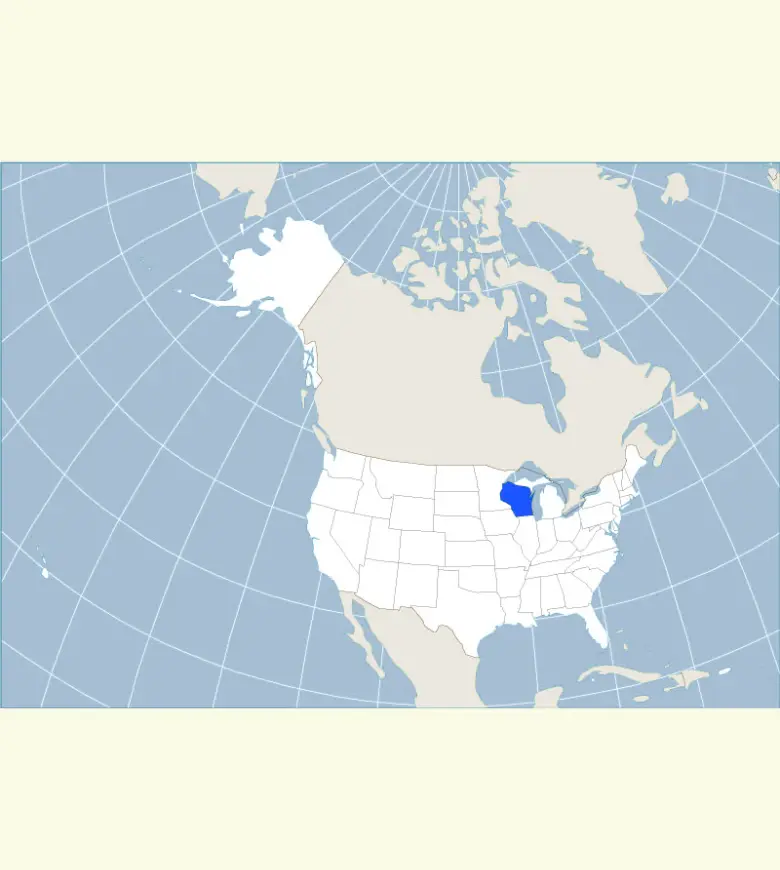
Helping Businesses Across Wisconsin
Wisconsin has a strong mix of industries. Manufacturing, agriculture, healthcare, and retail all play a big role in the state’s economy. Each business uses energy in a different way. A production facility may run heavy equipment all day, while an office building may focus on lighting and climate control. Great Energy 1 works with businesses in Milwaukee, Madison, Green Bay, Kenosha, and smaller communities across the state. No matter your size or industry, we help you find better ways to manage energy and reduce costs.
Maximize Your Energy Savings with Great Energy 1
Energy prices can change, but your strategy should stay strong. Great Energy 1 helps you understand your usage and find areas where you can improve. Small changes can lead to big savings over time. You also receive ongoing support. As your business grows or energy costs shift, we help you adjust your plan so you stay on track.
Energy Planning Options for Wisconsin Businesses
Different businesses need different approaches. Some want stable costs, while others want flexibility.
Stable Cost Planning
Fixed-style plans focus on keeping your monthly bills predictable. This makes budgeting easier and protects your business from sudden price increases. Contract reviews can also help improve your current setup. In some cases, adjusting your agreement can lead to better pricing and long-term stability.
Flexible Cost Planning
Flexible strategies allow your costs to change with the market. This can create opportunities to save when prices drop. However, this approach also comes with some risk. It is important to understand your usage and financial goals before choosing this option.
Understanding Wisconsin’s Energy System
Wisconsin operates under a regulated energy system. Businesses receive electricity and natural gas from local utilities rather than choosing from multiple suppliers. Utilities are responsible for both supplying and delivering energy. Rates are reviewed and approved by state regulators to ensure fairness and reliability.
The state continues to invest in renewable energy. Wind and solar projects are growing, helping reduce reliance on traditional fuels and support long-term sustainability goals. Even without a competitive supplier market, businesses still have control. By improving efficiency and understanding rate structures, it is possible to lower overall energy costs.

Ready to Lower Your Energy Costs?
FAQs About the Wisconsin Energy Market
What type of energy market does Wisconsin have?
Wisconsin has a regulated energy market. This means businesses receive electricity and natural gas directly from local utility companies instead of choosing between multiple suppliers.
Who sets energy prices for businesses in Wisconsin?
Energy prices are reviewed and approved by state regulators. This ensures that utility rates remain fair, stable, and consistent for both residential and commercial users.
Can Wisconsin businesses choose their energy provider?
No. Businesses in Wisconsin cannot choose their electricity or gas supplier. Energy is provided by local utilities assigned to each service area.
How is renewable energy changing Wisconsin’s power system?
Wisconsin is gradually increasing its use of wind and solar energy. These renewable sources help reduce dependence on traditional fuels and support long-term energy sustainability.
Can businesses still reduce energy costs without switching suppliers?
Yes. Even without supplier choice, businesses can lower costs by improving energy efficiency, managing usage patterns, and understanding how utility rates are structured.

Industries We Power with Gas and Electricity Solutions
Great Energy 1 works with a wide range of industries across Wisconsin. We help businesses reduce electricity and natural gas costs while improving efficiency. Our solutions support warehouses, farms, offices, healthcare facilities, schools, property management and more. Each plan is designed to match your business needs and daily operations.

Warehouses
Lower gas & electricity costs, improve efficiency, and keep warehouse operations running smoothly with reliable power solutions.

Schools
Create a comfortable, cost-effective, and sustainable learning environment for students and staff with smart electricity & gas management.

Office Buildings
Reduce expenses, enhance workplace comfort, and support sustainability with gas & electricity-efficient solutions for office spaces.

Nursing Homes
Ensure safety, comfort, and reliable electricity & gas for nursing homes, keeping residents and staff at ease.

Shopping Centers
Save gas & electricity costs, improve lighting, and create a better shopping experience for businesses and customers.

Property Management
Optimize electricity & gas use, lower costs, and improve sustainability for residential and commercial properties.

Manufacturing Companies
Boost production efficiency, reduce gas & electricity costs, and keep manufacturing operations running without interruptions.
Answers to Common Questions
Frequently Asked Questions
Businesses typically pay between 13.5¢ and 14.5¢ per kWh, depending on usage and location.
Commercial natural gas costs around $10.80 to $11.90 per Mcf, with higher usage during the winter months.
No. Wisconsin has a regulated market, so businesses receive energy from their local utility.
Seasonal demand plays a big role. Cold winters increase heating needs, while summer cooling also raises usage.
Yes. Utilities offer rebates and incentives for upgrading equipment and reducing energy use.
Improving efficiency, managing usage, and reviewing energy strategies can help lower expenses.
Yes. The state is expanding wind and solar energy, which may help stabilize costs in the future.

