
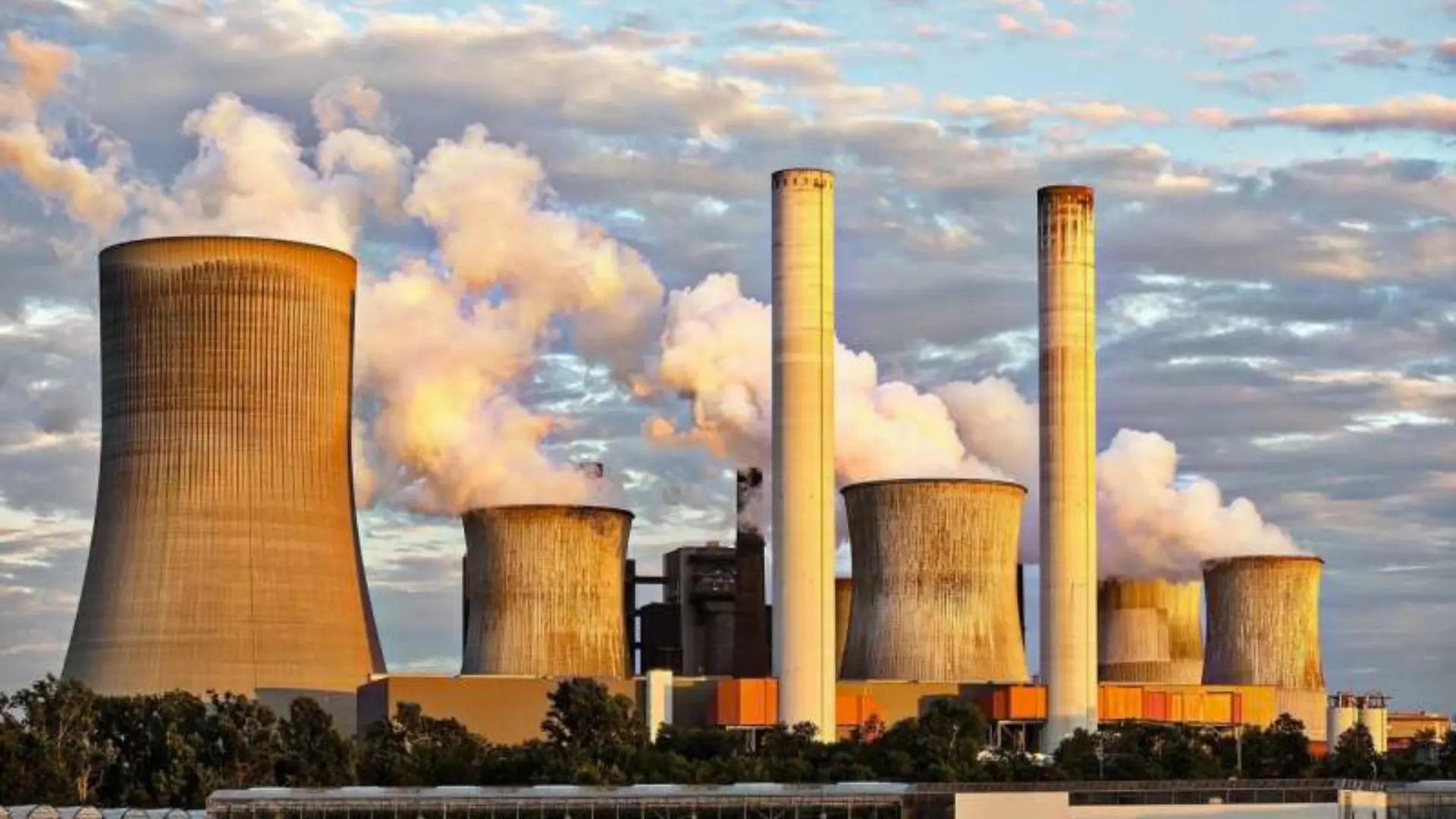
This article looks at how fossil fuels like coal, oil, and natural gas are used to generate electricity. It explains their importance in powering our world, the environmental problems they cause, and the ongoing debate about finding cleaner, more sustainable energy sources. Fossil fuels have been a key part of electricity production for over 100 years, fueling industries and supporting economies around the world. Even with growing concerns about climate change and the push toward renewable energy, coal, natural gas, and oil still make up most of the electricity we use today. In this article, we’ll explore why the world still relies so heavily on fossil fuels, the controversies around their use, and what the future might look like as the global energy system shifts toward cleaner options.
Fossil Fuels and Their Role in Power Generation
Fossil fuels like coal, natural gas, oil & more have been, and still are, a major source of electricity around the world. Power plants burn these fuels to make electricity. The process works by turning the chemical energy stored in fossil fuels into heat, which is then used to generate electrical energy. Usually, the steps in this process look like this:
- Power Generation: The turbine is joined to a generator. As the turbine spins, it turns the generator, which changes the turbine’s motion into electrical energy using electromagnetic induction.
- Steam Turbine (coal and oil): The high-pressure steam goes to a steam turbine, where it expands and cools. As the steam moves through the turbine blades, it makes the turbine spin, making power.
- Gas Turbine (natural gas): In natural gas power plants, the burning gas spins a turbine directly. This way is more efficient than steam turbine systems.
- Heat Transfer: The heat made is used to boil water in a boiler, making high-pressure steam. It can also directly drive gas turbines.
- Combustion: Fossil fuels are burned, releasing a large amount of heat.
Are Fossil Fuels Renewable?
Fossil fuels are a non-renewable source of energy. Most of the energy we use comes from burning them. They are consumed much faster than they can form naturally. Due to high demand, fossil fuel reserves are declining and are difficult to replace. This is why they are considered non-renewable.
Types, Formation & Uses of Fossil Fuels Power
Natural Gas
Natural gas is the most environmentally friendly fossil fuel. It provides about a quarter of the energy in the EU and the USA. It is odorless, colorless, flammable, and non-toxic. Natural gas is used for energy production, heating, transportation, and manufacturing.
Petroleum (Oil)
Petroleum forms over billions of years from plant and animal remains under heat and pressure. It exists in onshore and offshore deposits worldwide. Crude oil can be refined to produce various fuels.
Coal
Coal is a widely used fossil fuel rich in carbon and hydrocarbons. It must be burned to release energy and contributes around 44 TWh of energy globally.
Other Forms & Precursors of Fossil Fuels Power
- Bituminous Coal: Dense coal formed from compressed lignite, with a higher carbon content, used for industrial fuel, electricity, and steel.
- Tar Sands / Oil Sands: A mixture of sand, clay, water, and bitumen; bitumen is extracted and refined into petroleum for fuel and energy.
- Anthracite: Hard, glossy coal with the highest carbon content, the final coal stage, used for heating and efficient energy production.
- Natural Gas Precursors: Formed from decaying organic matter or coal beds; used for heating, electricity, and chemical feedstock.
- Lignite (Brown Coal): Soft brown coal from compressed peat, low carbon, high moisture, mainly used in power plants.
- Peat: Partially decayed plant material in wetlands, the earliest coal stage, with low energy content, is used in rural areas.
- Oil Shale: Sedimentary rock with kerogen, precursor to crude oil; heated to produce synthetic oil for fuel refinement.
Advantages and Disadvantages of Fossil Fuel Power
Advantages of Fossil Fuels:
- High Energy Content: Fossil fuels produce a large amount of energy from a small amount.
- Reliable: Energy from fossil fuels is available all the time, unlike some renewable sources.
- Cost-Effective: Fossil fuels are widely available, making them an affordable energy source.
- Easy Transport and Storage: Natural gas and oil can be easily transported and stored.
Disadvantages of Fossil Fuels:
- Air Pollution: Excessive use produces greenhouse gases like carbon dioxide and nitrogen oxides.
- Ecological Damage: Mining and drilling for fossil fuels harm landscapes and ecosystems.
- Resource Depletion: Burning fossil fuels in large amounts can quickly use up these resources.
- Environmental Impact: Greenhouse gases contribute to global warming and glacier melting.
- Non-Renewable: Once used, fossil fuels cannot be replaced.
Depletion of Fossil Fuel Power
Fossil fuel resources are continuously decreasing due to overuse and high demand. Coal, oil, and natural gas take millions of years to form, but we are consuming them much faster. This rapid use is creating a global shortage. Scientists and governments are promoting alternative energy and sustainable methods to reduce reliance on fossil fuels.
Controversies Around Fossil Fuel Power
There are many controversies about fossil fuels and how they are used to make electricity. These issues cover many topics, from environmental problems to the safety of the energy grid. Let’s look at some of the main challenges fossil fuel power faces today.
Environmental Impact & Climate Change
The most important controversy comes from the environmental harm caused by using and burning fossil fuels. This includes air and water pollution, land damage from fracking and drilling, and the release of carbon gases that drive climate change. Moreover, the connection between fossil fuel burning and global warming is a major topic of debate. Burning coal, natural gas, and oil for electricity is a large source of CO2 emissions. Coal-fired power plants, for instance, are among the biggest sources of carbon dioxide emissions.
Energy Security
Fossil fuels, while a very reliable source of electricity, are being questioned as grid security becomes a big topic. The centralized energy grid, powered by fossil fuels and nuclear plants, is vulnerable, old, and needs major investment. Supporters of distributed energy say that local wind, solar, and geothermal systems are a safer choice for the future.
Health Concerns
Fossil fuel power generation also causes health risks because of air pollution. Smoke and emissions from power plants include tiny particles that can cause breathing problems, heart disease, and other health issues. These health effects often hit the communities living near the power plants the hardest.
Economic Issues
Because the fossil fuel industry provides many jobs, efforts to reduce reliance on fossil fuels often meet resistance. Many communities depend on drilling jobs, mining jobs, and work at power plants. In some areas, like the coal belt, this has become a key political issue and influences local voting.
Energy Price Impacts
Even with the move toward renewable energy, the economic case for fossil fuels keeps them in use. Fossil fuel power is still fairly cheap, although renewable energy costs have dropped a lot in the past ten years. Also, fossil fuel power is still needed to meet the base level of electricity demand because renewable sources do not provide enough capacity.
The Future of Fossil Fuel Power Generation
As the world moves toward a cleaner energy future and shifts to greener power sources, fossil fuels are at risk. Even though many energy experts say the use of fossil fuels will continue for now, activists are pushing for laws that will make this type of power generation harder. Let’s look at some recent laws and government actions as a preview of the future of fossil-fuel power.
Fossil Fuel Subsidy Reforms
There is growing pressure to remove subsidies for fossil fuels. Some countries are trying to pass laws that would shift these subsidies to renewable energy and energy efficiency projects. Because energy and climate policies are changing quickly, more measures will likely be introduced or suggested in 2026, making the future difficult for the fossil fuel industry.
Net-Zero Emissions Goals
Many countries aim for net-zero carbon emissions by 2050 or earlier, with short-term targets for 2030. These goals usually need a big cut in fossil fuel use, better energy efficiency, and a large move toward renewable energy.
Energy Efficiency Standards
There are many new laws to encourage energy efficiency in buildings. These include rules for new construction, requirements to upgrade older buildings, and bans on using natural gas in new buildings.
Paris Agreement
Countries worldwide are working to carry out their plans to meet the promises made under the Paris Agreement. This agreement was created to improve the global response to climate change.
Renewable Energy Incentives
Many governments are improving or creating new rules and incentives to support renewable energy growth. This includes tax breaks, cash payments, and extra depreciation benefits.
Would You Like To Pursue A Renewable Energy Strategy?
Our team can help you get renewable energy for your business or organization. We also offer many energy efficiency and renewable power solutions. Whether you want to reduce your peak energy use, we can guide you through your choices and help you make a strong energy plan.
FAQs
What are fossil fuels, and how are they used to generate electricity?
Fossil fuels are natural resources like coal, oil, and natural gas. Power plants burn them to produce heat, which is then used to create steam or directly spin turbines. The turbines turn generators to make electricity.
What is being done to reduce fossil fuel use?
Governments and organizations are promoting renewable energy, energy efficiency standards, and incentives like tax credits and subsidies. Agreements like the Paris Agreement set targets to reduce carbon emissions.
Why are fossil fuels harmful to the environment?
Burning fossil fuels releases carbon dioxide (CO₂) and other pollutants into the air. These emissions contribute to climate change and air pollution, and can harm water and land ecosystems.
How can businesses or homes switch to renewable energy?
Businesses and homes can use solar, wind, or geothermal energy. Energy providers and consultants can help plan a renewable energy strategy, reduce peak energy use, and improve efficiency.
Are fossil fuels still the main source of electricity worldwide?
Yes. Fossil fuels generate more than 60% of the world’s electricity, although renewable energy is growing quickly. Coal, natural gas, and oil still make up the majority of the global power supply.