
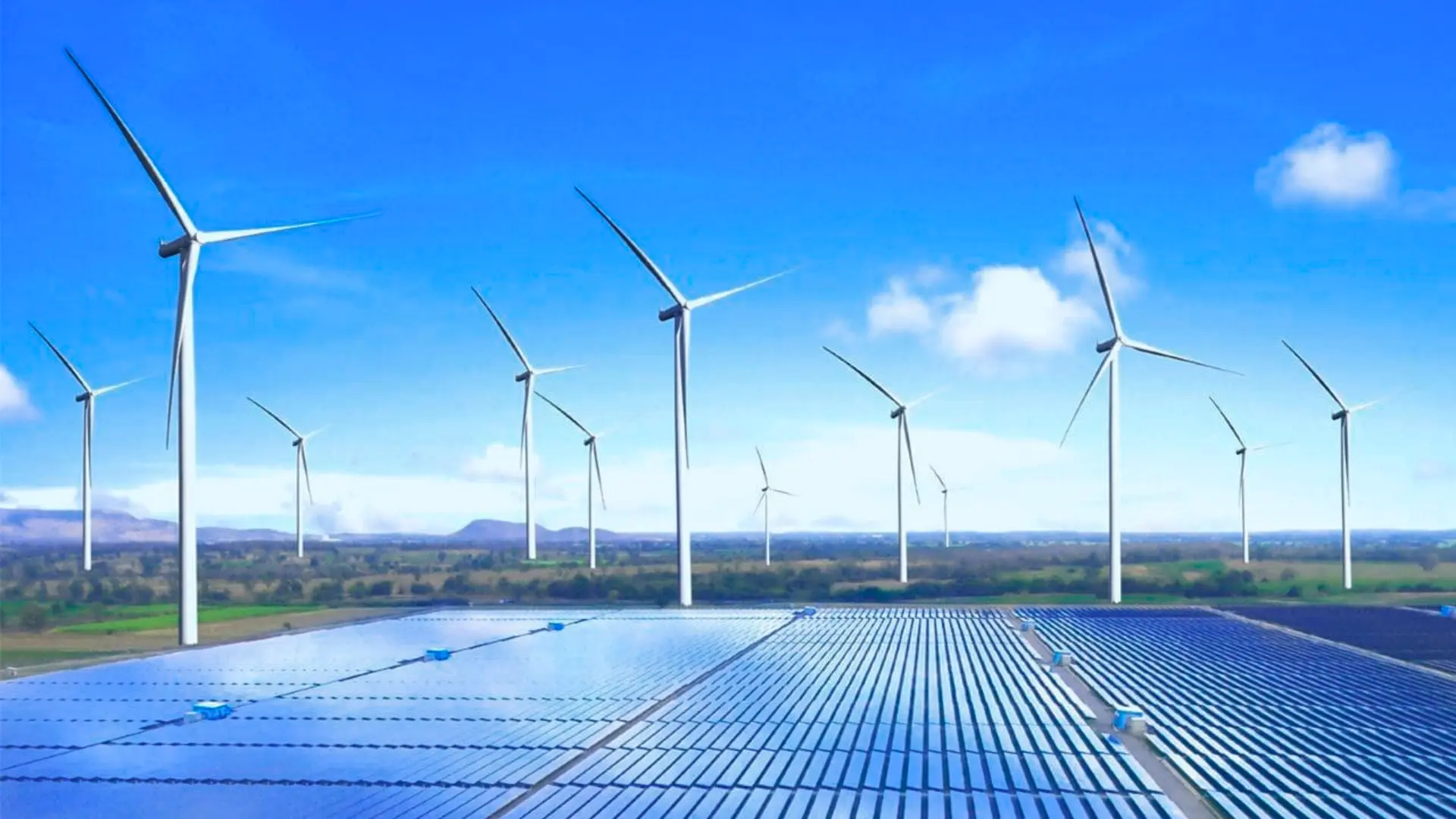
Power grid operators and governments are working to make electricity systems more reliable, efficient, and sustainable. One of the most important ways they are doing this is through distributed energy resources (DERs). These technologies allow electricity to be generated and managed closer to where it is used, improving energy security and reducing dependence on centralized power systems. This article explains what DERs are, how they work, their main types, and the benefits and challenges they bring to the modern energy ecosystem.
What Are Distributed Energy Resources?
For most of the 20th century, electricity worked in one main way. Power was made at large power plants. These plants often use fossil fuels. The electricity then traveled long distances through a central grid. It was delivered to homes and businesses. In recent years, new technologies have changed this system. Now, electricity can also be produced and managed close to where it is used. This is called decentralizing the power grid. These technologies are called distributed energy resources (DERs).
Examples of DERs include:
- Solar panels
- Wind turbines
- Energy storage systems
- Electric vehicles
- Demand response programs
- Combined heat and power (CHP) systems
- Smart buildings and energy efficiency technologies
Common DER Technologies
DER technologies include both older fossil fuel systems and newer clean energy systems. Traditional systems use fuels like oil and diesel. These produce high greenhouse gas emissions. Cleaner DER technologies produce little or no emissions. These include:
Solar Photovoltaic Systems
Solar photovoltaic systems, also called solar panels, are widely used as DERs. They convert sunlight into electricity. From 2019 to 2021, about 167 gigawatts of distributed solar systems were installed worldwide.
Wind Turbines
Distributed wind turbines are also called distributed wind. They come in different sizes. Some are very small and produce less than 1 kilowatt to power small equipment. Larger ones can produce up to 100 kilowatts and can power industrial sites.
Fuel Cells
Fuel cells make electricity through a chemical process using fuels like hydrogen. Most hydrogen today is made from natural gas. But it can also be made using renewable energy. This is called green hydrogen. Fuel cells are used in some electric vehicles and power plants.
Cogeneration (CHP)
Cogeneration means producing electricity and heat at the same time from one energy source. It is also called combined heat and power (CHP). It can use natural gas or renewable fuels like biomass.
Microturbines
Microturbines are small combustion engines. They use fuels like natural gas, propane, or biogas. They are about the size of a refrigerator. They usually produce 15 to 300 kilowatts of electricity. Even though each unit is small, many together can power large facilities like wastewater treatment plants.
How Distributed Energy Resources Work
DERs generate electricity locally, reducing the need for long-distance transmission. Grid operators must continuously balance electricity supply and demand, and DERs play an important role in this process.
For example:
- Demand response programs reward users for reducing electricity consumption during peak periods.
- Electric vehicle batteries can store energy and supply power when needed.
- Multiple DER systems can be aggregated into virtual power plants, acting as a single energy source.
Types of DERs by Capacity
DERs are often categorized based on their electricity generation capacity:
- Micro: Less than 2 kW (e.g., rooftop solar)
- Mini: 2 kW to 10 kW
- Small: 10 kW to 1 MW
- Medium: 1 MW to 5 MW
- Large: More than 5 MW
They can also be classified as:
Physical DERs
Physical DERs are real systems installed at a location. For example, a rooftop solar system or a natural gas generator at a site.
Virtual DERs
Virtual DERs are groups of many physical systems. These systems are connected and managed together. Grid operators or private owners combine them. All the energy they produce is counted as one single power source.
What Are the Benefits of DER?
DER systems offer many benefits for people and the environment.
Energy Efficiency
DER systems produce power close to where it is used. This reduces energy loss that normally happens when electricity travels long distances through power lines. DER also improves energy use through demand response programs. In these programs, utilities give rewards to customers for changing when they use electricity. Utilities can also use DER systems to help meet electricity demand.
Lower Pricing
People with DER systems can produce their own electricity. This can lower their energy costs. They can also earn credits for sending extra power back to the grid. This is called net metering. DER is also helpful for utilities. It can reduce the need to build new power plants or expand infrastructure, which saves money.
Power System Resilience
Extreme weather and natural disasters are happening more often due to climate change. These events can damage power systems and cause outages. DER systems help improve reliability. They can provide backup power when large power plants or grids are not working.
Lower Emissions
Many DER systems use clean energy like solar, wind, or hydrogen. These produce fewer emissions than fossil fuels like coal and oil. This helps reduce pollution and supports a cleaner environment.
The Value of Integrated DER Solutions
Combining energy efficiency with other DER technologies creates greater value than using them separately. Integrated solutions can:
- Lower energy bills
- Increase participation in demand response programs
- Improve overall customer satisfaction
- Enhance grid stability
Challenges of Distributed Energy Resources
Grid Integration Issues
Traditional grids were designed for one-way power flow. DERs introduce two-way flows, which can create congestion and require advanced grid management systems.
High Upfront Costs
Although DERs save money over time, installation costs for systems like solar panels or fuel cells can be high. Financial incentives and government programs can help offset these costs.
Conclusion
Distributed energy resources are transforming the way electricity is generated, delivered, and consumed. By enabling localized energy production, improving efficiency, and supporting cleaner energy sources, DERs are playing a central role in building a more resilient and sustainable energy future. While challenges such as grid integration and upfront costs remain, continued innovation and investment are expected to accelerate their adoption worldwide.