
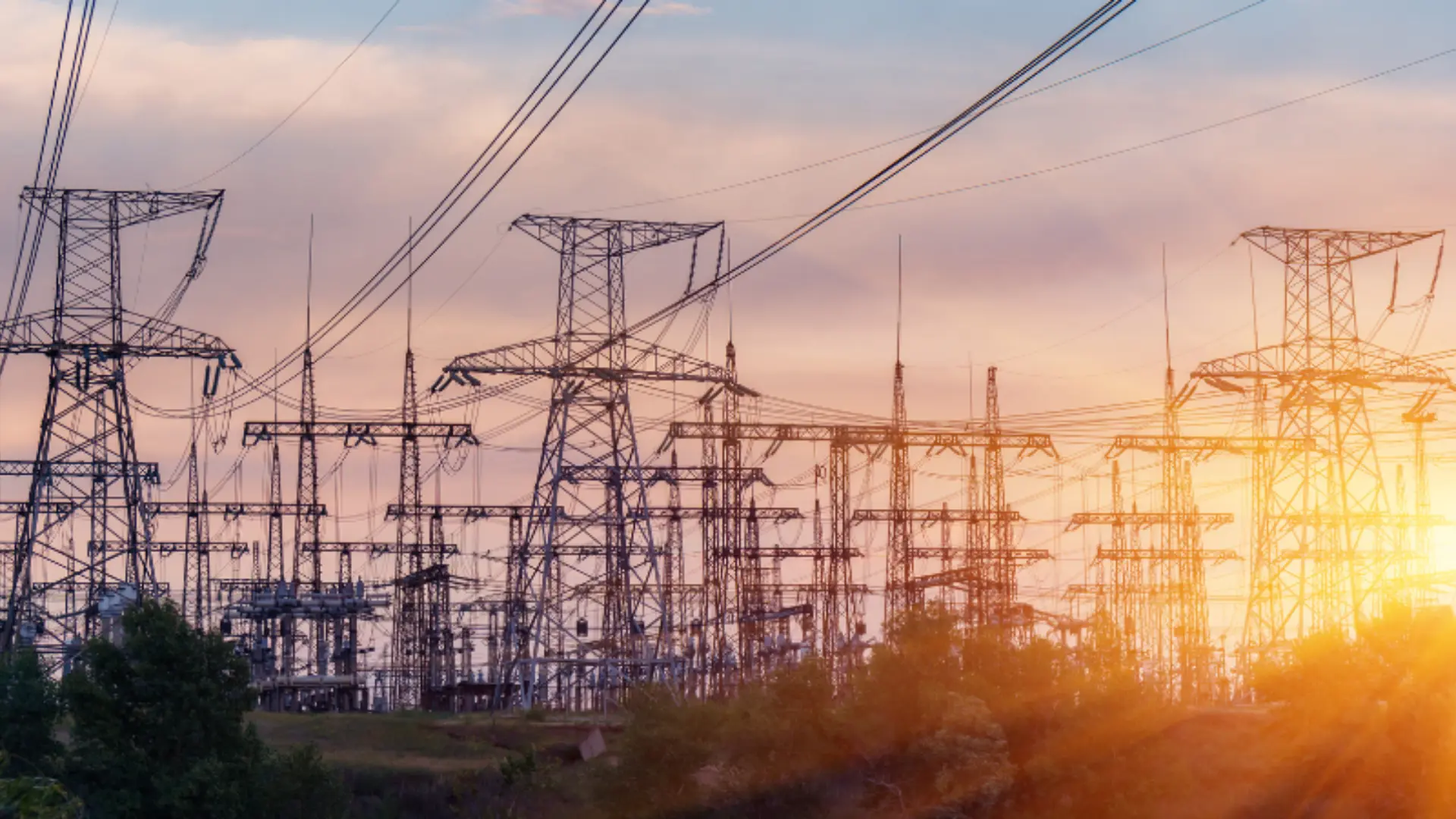
Electricity transmission is not perfect. Some energy is lost as it moves from power plants to your business. In this blog, we explain what line losses are, how they affect your energy costs, and what you can do to reduce their impact. When electricity travels from power plants to users, not all the power reaches its final destination. Some energy is lost while moving through the electric lines. These losses are called line losses in electrical transmission lines. Line losses reduce the efficiency of the transmission system. They also affect the price you pay for electricity.
Understanding line losses is important for businesses and organizations that want to use energy wisely and lower costs. In this article, we look at what power loss in lines means, the different types of losses, how to calculate them, what affects energy transmission efficiency, and how to reduce these losses.
What Does Power Loss in Lines Mean?
Power loss in transmission lines is the energy that disappears as electricity moves from power plants to customers. This happens because electric wires have resistance. Other things, like inductance and capacitance in the power lines, also cause energy loss (we will explain these later). The lost energy usually turns into heat. This lowers the efficiency of the electrical system. Line losses make the energy system less effective and can increase electricity costs. Utilities must make up for these losses, and this is included in the electricity rates in the wholesale energy market.
What Causes Power Loss in Transmission Lines?
Electricity travels through a large network of wires and equipment. This causes some power to be lost. One main cause is the Joule effect in transformers and power lines. Energy is lost as heat in the wires. Transmission lines have conductors that resist the flow of electricity. The resistance per kilometer is small, but over long distances it adds up. This makes the wires heat up. As the wires get hotter, their resistance increases. Higher resistance causes more energy to be lost. This is one of the main reasons for transmission line losses.
Types of Electrical Losses
There are three main types of energy losses in power transmission lines. They are resistive losses, capacitive losses, and inductive losses. Below, we explain each type in simple terms.
Inductive Line Losses
Inductive line losses are the third type of line loss in AC circuits, including power lines. These losses happen when a magnetic field is created and collapses repeatedly in a wire. An inductor is a part of a circuit that stores energy in a magnetic field. In AC power, the current alternates, which charges up a parasitic inductor formed by the wire. The magnetic field builds, collapses, and changes direction repeatedly. When energy is stored in these magnetic fields, it doesn’t reach the power loads.
This causes a type of line loss. Each time the parasitic inductor charges and discharges, some energy is lost as heat. The energy stored in the magnetic field and the heat lost together are called inductive line losses. DC power does not alternate. Its voltage is steady, so it doesn’t repeatedly charge parasitic inductors. This means DC does not have inductive line losses.
Resistive Line Losses
Resistive power loss happens when electricity is lost because of a wire’s resistance, like in a power line. No wires are perfect, except superconductors. All normal wires have some resistance. When electricity meets resistance, some power turns into heat. This heat is energy lost from the system. It also causes the voltage on the wire to drop, especially over long distances. Resistive line losses are also called conductor losses because the wire is usually the main cause. There are a few types of resistive losses, including the skin effect and dielectric loss.
Capacitive Losses
Capacitive losses happen because the power lines can store and release electrical energy. This occurs due to the electric field between the wires and the ground. When the voltage changes, the lines keep storing and releasing energy. This process causes some energy to be lost. These losses are bigger at higher voltages and higher frequencies.
Calculating Power Line Losses
Calculating power loss in electrical systems can be difficult unless you are an electrical engineer. For engineers, we include the real formula below. For everyone else, you can think of it simply: the total loss is two times the electric current multiplied by the resistance of the wires.
Ploss ?= I2 x R
Where:
- Ploss? is the power loss in watts
- I2 is the current in amperes
- R is the resistance of the conductor in ohms
The formula above is used to calculate resistive losses. Capacitive and inductive losses use more complex formulas. These formulas include factors like frequency, voltage, and other electrical conditions.
What Do Line Losses Mean for Your Business?
Line losses are a normal part of the electricity system. They affect the total price your business pays for electricity. These losses are included in your supply price, ensuring you still receive the amount of electricity you need, even though some energy is lost during transmission.
The cost of line losses can depend on the location of your business on the electric grid. This is referred to as the Locational Marginal Price (LMP). If your company is located near power plants or in an area with better transmission lines, you may experience lower line losses.
For businesses that buy electricity through fully bundled fixed-rate products, the cost of line losses is already included in the price. Your electricity supplier has added these losses to your fixed rate.
However, for businesses that utilize more complex hybrid energy products, such as block and index, line losses may be handled differently. In these products, the cost of line losses might be listed separately or passed through to you, depending on your contract. For example, with a block + index product, part of your energy is bought at a fixed rate (the block). The rest is priced at an index rate. The line losses for the indexed part may be passed directly to you, meaning they are not included in the fixed price and can vary based on your actual usage and the efficiency of the local transmission system.
Factors Influencing Energy Transmission Efficiency
Several factors affect the efficiency of electrical transmission systems:
Conductor Material and Size
The material used for the wires, such as copper or aluminum, has a big effect on resistive losses. Larger wires and wires made from materials with lower resistance reduce losses. They also make the system more efficient.
Power Demand Fluctuations
Changes in electricity demand can cause energy losses. Sudden increases or decreases in load can make the system less efficient. The grid operator works to manage these changes and reduce power loss.
Transmission Line Length
Longer transmission lines have more resistance. This causes higher line losses. Lines that carry electricity over long distances, especially with heavy loads, lose more energy.
Voltage Level
Higher voltage lowers the current for the same amount of power. Lower current means fewer losses. This is why high-voltage lines are used to transmit electricity over long distances.
Weather
Temperature can change how well wires carry electricity. When it is hotter, wires have more resistance. This causes more energy to be lost during transmission.
Solutions for Minimizing Power Loss
Reducing line losses is important to make electricity transmission more efficient. It also helps lower energy costs. Here are some ways to reduce electrical losses.
Smart Grid Technology
Using smart grids can make the electricity system more efficient. Smart grids help monitor and manage electricity flow better. This reduces losses and improves reliability. Distributed generation, or producing electricity on-site, also helps. It reduces the need for long-distance power lines.
Voltage Optimization
Raising the transmission voltage lowers the current. Lower current reduces resistive losses. This method is often used in long-distance high-voltage transmission lines.
Conductor Optimization
Using bigger or better-quality wires can lower resistive losses. For example, replacing aluminum wires with copper wires can make the system more efficient.
Regular Maintenance
Keeping transmission lines and equipment in good condition helps prevent extra energy loss. Damaged wires or broken equipment can increase losses.
Load Management
Good load management helps match electricity demand with supply. Programs like demand response can reduce the need for extra energy. This helps lower energy losses.
Reactive Power Correction
Implementing devices such as variable capacitor banks can help manage reactive power, improve power factor, and reduce losses.
Ways to Save
Businesses can take steps to lower line loss costs. Working with an energy brokerage firm like Great Energy 1 can help. They can review your energy contracts to see how you pay for line losses and your total costs. If your business is in an area with an inefficient grid, it may be better to include line loss costs in your total electricity price. Other businesses may save more by paying for line losses separately as a pass-through charge. Having an expert to guide you through your options is very important for saving money and managing energy costs effectively.
Conclusion
Line losses are a normal part of electricity transmission. They happen because wires and equipment are not perfect. Resistive, inductive, and capacitive losses all reduce the amount of electricity that reaches your business. These losses affect your energy costs. Understanding them can help your business make smarter decisions about electricity use. By utilizing better conductors, higher voltages, reactive power correction, regular maintenance, smart grids, and load management, businesses can reduce line losses and lower their operating costs. Working with an energy broker expert or brokerage can help you find the most effective way to manage these costs. Minimizing line losses is not only good for your electricity bills but also improves overall energy efficiency.