
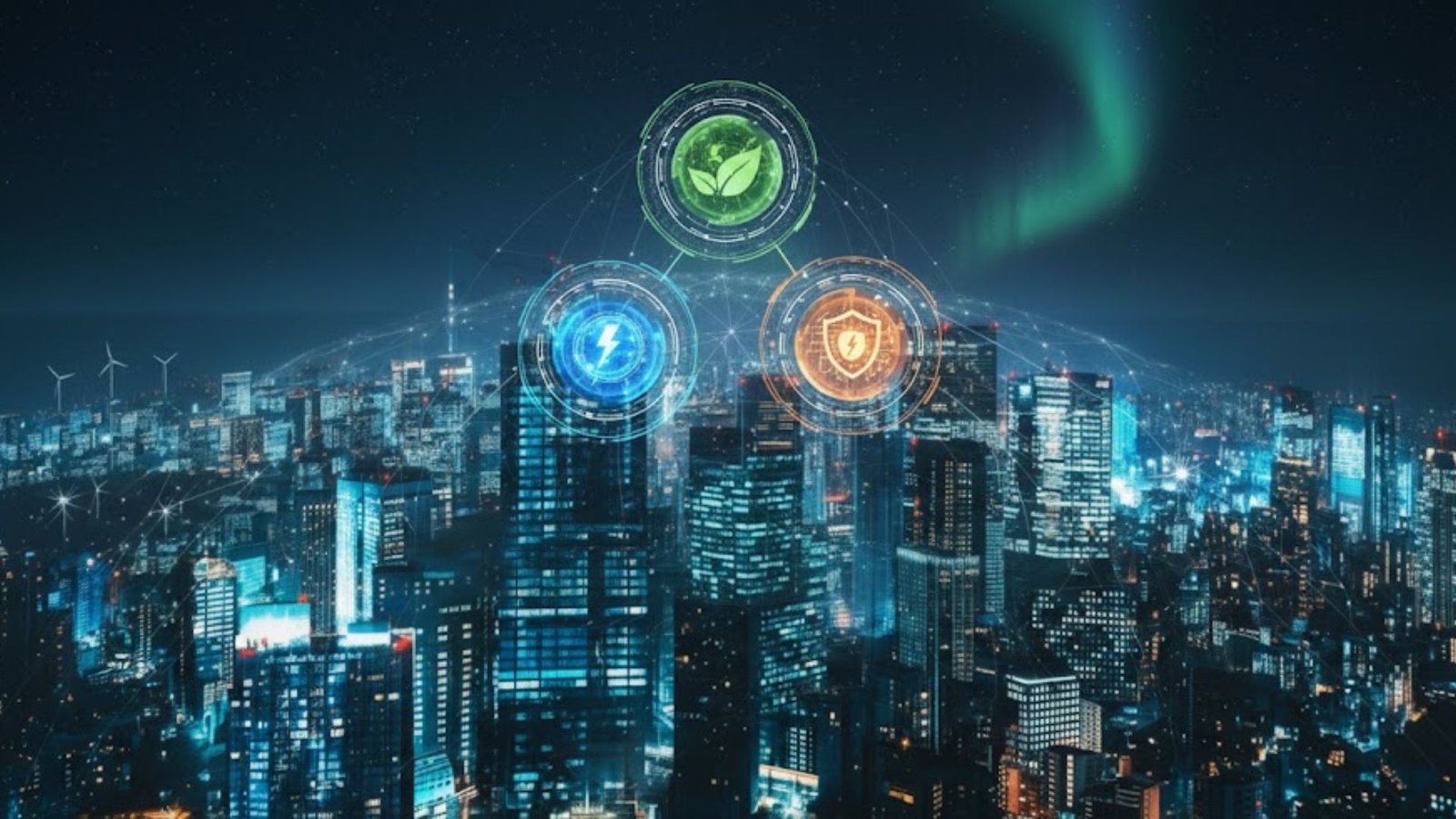
Energy security has become a critical concern for nations and businesses alike in today’s rapidly evolving energy landscape. With rising demand, aging infrastructure, and geopolitical uncertainties, ensuring a stable, resilient, and efficient energy system is more important than ever. This article explores the foundational pillars of energy security, reliability, resilience, and efficiency and examines the factors that influence energy stability for both countries and businesses.
What is Energy Security?
Energy security is the ability to ensure that a country or an institution has access to affordable and constant energy sources. It’s not just having energy, but whether that energy is reliable, affordable and secure from internal and external threats.
A secure energy system helps to ensure economic stability, supports industry and protects the public. On a business level, energy security enables companies to cut risks tied to running their operations, avoid expensive interruptions and make long-term plans for growth.
Energy security is a constantly evolving concept. It involves a series of infrastructure, technology, policy and global market issues. In a time of changing energy markets, countries need to adjust their policies so they can keep themselves independent and secure.
Why Energy Independence Matters?
Energy independence is conceptually related to energy security, but it specifically refers to a country’s capacity to satisfy its own energy requirements without depending on imports. The independence trend strengthens a country’s energy system and creates the basis for sustained stability.
Market Stability
Preventing reliance on foreign fuel supplies gives nations a degree of market stability. If loose ends in the international supply become undone, energy prices at both households and industrial level can also rise sharply. Higher National Output: Domestic production is less subject to international price fluctuations.
Economic Growth
Economic growth is, in large measure, driven by the development of domestic energy resources which creates jobs and incentivizes investment in associated infrastructure. Here in the United States, at least a million people are employed not only in the production of these resources but in their transportation and services.
Strategic Autonomy
Energy independence provides countries with the freedom to enact policy and build infrastructure without outside interference. This independence is particularly important in geopolitical crises and trade disputes, when countries need to protect essential infrastructure and make long-term energy choices.
Although energy independence itself does not ensure a total energy security, but it paves the way to make the three pillars of and efficiency: reliability, resilience and by lowering exposure to external shocks become stable access to energy sources.
The Three Pillars of Energy Security
When it comes to creating a stable energy system, experts see three key building blocks: reliability, resilience and efficiency. Each pillar in and of itself makes its own important contributions, yet they are interrelated to help forge a solid platform for energy stability.
Energy Reliability
Energy security is the ability to meet all forms of energy needs whenever such a demand arises in a sustainable, affordable and reliable manner. It is the force that keeps electricity, natural gas and other essential energy flowing to our homes, businesses and industries.
Key Aspects of Reliability
- Supply could be Continuous: So, a system of supply would always guarantee that the demand for energy is utilized at all times. Factories, hospitals and transportation systems, for example, require continuous power to function safely and productively.
- Power Lines: Reliable and resilient electric wires and pipelines are vital. Regular care, checks and investments tend to prevent outages.
- Preventive Measures: The implementation of advanced control use, smart grid technology, and automated notifications enable energy brokers to act nearly instantly and avoid disruption.
- Cybersecurity: Protecting the computer-focused infrastructure that runs our modern systems is as important today as we become more digital both in how energy is produced and used.
In a sound energy system, businesses and citizens know that the lights will go on whenever they need them as well.
Energy Resilience
Energy resilience is the capacity of a system to absorb and adapt during, and after disturbance. In contrast to reliability, which is about maintaining consistent performance during normal operations, resilience is about anticipating the unexpected natural disasters, accidents and even cyberattacks.
Characteristics of a Resilient System
- Widely Diversified Portfolio: By utilizing a combination of fuels and renewable energy, consumers are less dependent on any one source.
- Redundancy: Backup systems, from on-site generators to battery storage, help keep the pharmaceutical’s operations running during outages.
- Emergency Procedure: With established procedures and qualified personnel in place, emergency response is faster, thus reducing downtime.
- Distributed Energy Systems: Solar Panels, microgrids and local power sources let communities and businesses keep the lights on even when the main grid is down.
The resilient power systems return to normal operations more rapidly after a disturbance, and they successfully avoid small troubles developing into large-scale interruptions.
Energy Efficiency
The concept of energy efficiency means accomplishing the same amount with less. Effective systems decrease strain on resources, save money and reduce environmental burden.
Principles of Energy Efficiency
- Efficient Use: Buildings, plants and equipment should not use more energy then needed.
- Monitoring and Analytics: When you monitor how much energy a power user is using, it can alert you early to inefficiency for analysis and improvement.
- Demand Response Programs: These programs facilitate matching of energy supply and demand, and mitigate peak load stress on the grid.
- Modern Infrastructure: This involves modernising poorly performing equipment by replacing it with smart technology, for example, towards reducing energy consumption.
Efficiency pairs nicely with reliability and resiliency by helping to make the energy system more sustainable, less costly, and easier to operate.
Factors Influencing Energy Security
There are a number of key factors that determine how secure a country’s or organization’s energy supply can be. Understanding these factors is essential for both policy-makers and practitioners to make informed choices, so that the long-term stability, reliability and efficiency of energy systems are enhanced.
Energy Mix Diversity
Lowering risk demands that there is a mix of energy. Depending on multiple sources of power including renewables such as solar and wind, natural gas and nuclear ensures that if one source goes unavailable or gets pricey, other sources can pick up the slack. This variety is valuable because it increases resilience, and can also help to ensure stable energy prices and supply even when demand is temporarily high or there are unanticipated interruptions in long-distance transport.
Geopolitical Stability
The influence of energy producing regions of the world also affects this energy security. Political turbulence, wars or diplomatic stand-offs can disrupt supply chains in nations that get a majority of their goods from abroad. Energy security needs to watch the political situation globally and plan for supply interruptions that will reflect on availability as well prices of energy resources.
Infrastructure Reliability
The reliability and condition of energy infrastructure are important for safe energy transport. Aging power plants, and transmission lines and pipelines all need regular maintenance, routine upgrades and investment in modernization. Ignoring infrastructure can result in breakdowns, frequent power outages or inefficiencies that can threaten energy reliability of both industrial and domestic users.
Regulatory Frameworks
Energy Security. It is for this reason also that sturdy regulatory regimes are indispensable to stimulate energy security. Good policies that support energy efficiency, the introduction of renewable energy and investment in resilient infrastructure are key. Efficient rules ensure that investment, innovation and the operation of energy systems occur in a way that reconciles supply reliability and environmental sustainability.
Technological Innovation
Technology changes are constantly redefining what is meant by energy security. Energy storage, smart grid and demand-management utilising Artificial Intelligence enable the suppliers of energy to source efficiently, identify waste effectively and react swiftly. Nations and companies can increase the reliability and efficiency of their energy systems, through technology.
Market Dynamics
Global markets shape energy security to a large extent. Such developments in the world energy market can have disruptive effects on countries that are dependent on imports of energy and weaken their economies while creating an uncertain supply situation. Strong domestic production and strategic diversification help manage these risk, smooth pricing dynamics and ensure supply reliability.
Environmental Policies
We are witnessing a growing role of environmental policies in energy security strategies. Actions are shaped by policies to reduce greenhouse gas emissions and net-zero targets in the design of energy mix, its use and infrastructure. These policies help advance cleaner and more sustainable energy systems, as well as long-term security and resilience.
Climate Change and Natural Disasters
Energy security is increasingly threatened by extreme-weather events and climate change. Hurricanes, wildfires and heatwaves and other natural disasters may disrupt the generation, transmission or distribution of energy, while a snap spike in demand under extreme conditions can put a strain on a system. It is essential to plan for such occurrences in order to ensure availability of a certain amount of energy.
Cybersecurity Threats
And as electric grids become more digitized, they are also exposed to new threats from cyberhaunting. Hostile actors who disrupt electrical grids, pipelines or control systems can trigger extensive outages and operational destruction. In order to ensure a secure and uninterrupted energy supply, critical infrastructure needs to be secured via cybersecurity.
Carefully addressing each one of these elements will enable nations and companies to enhance their energy security, resilience and reliability and help cut back their exposure to supply disruptions in the future.
Strengthening Energy Security for Businesses
Energy security is not just a national issue; businesses face similar challenges. Companies dependent on reliable energy supply can benefit from adopting the same pillars:
- Install On-Site Energy Systems: Solar panels, microgrids, and battery storage provide backup power during outages.
- Energy Monitoring: Track usage patterns to reduce waste and optimize consumption.
- Diversify Supply Sources: Rely on multiple energy suppliers or alternative energy sources to reduce dependency.
- Upgrade Infrastructure: Replace outdated equipment to improve efficiency and reduce the risk of downtime.
These strategies help businesses operate uninterrupted, cut costs, and plan for future growth with greater confidence.
Conclusion
Energy security is a complex but essential goal for nations and businesses alike. By focusing on the three pillars reliability, resilience, and efficiency organizations can ensure continuous energy supply, withstand disruptions, and optimize resource use. Coupled with energy independence, a strong regulatory framework, technological innovation, and a diverse energy mix, these pillars form the backbone of a stable, sustainable, and future-ready energy system.
For businesses seeking to strengthen their energy security, investing in modern infrastructure, on-site energy solutions, and efficiency programs can provide long-term stability and competitive advantage. As the global energy landscape evolves, prioritizing security will remain critical to economic growth, sustainability, and societal well-being.
Take Control of Your Energy Security Today
Ensuring reliable, resilient, and efficient energy isn’t just a long-term goal, it’s a business necessity. At Great Energy 1, our team of energy experts works closely with businesses and organizations to develop customized energy strategies that reduce risk, optimize costs, and strengthen energy security. Whether you’re looking to implement distributed energy systems, improve efficiency, or safeguard against disruptions, we can guide you every step of the way.
Get in touch today to explore how your organization can achieve greater energy independence and resilience. Reach us at +1 845-957-9500, email us at pricing@greatenergy1.com.