
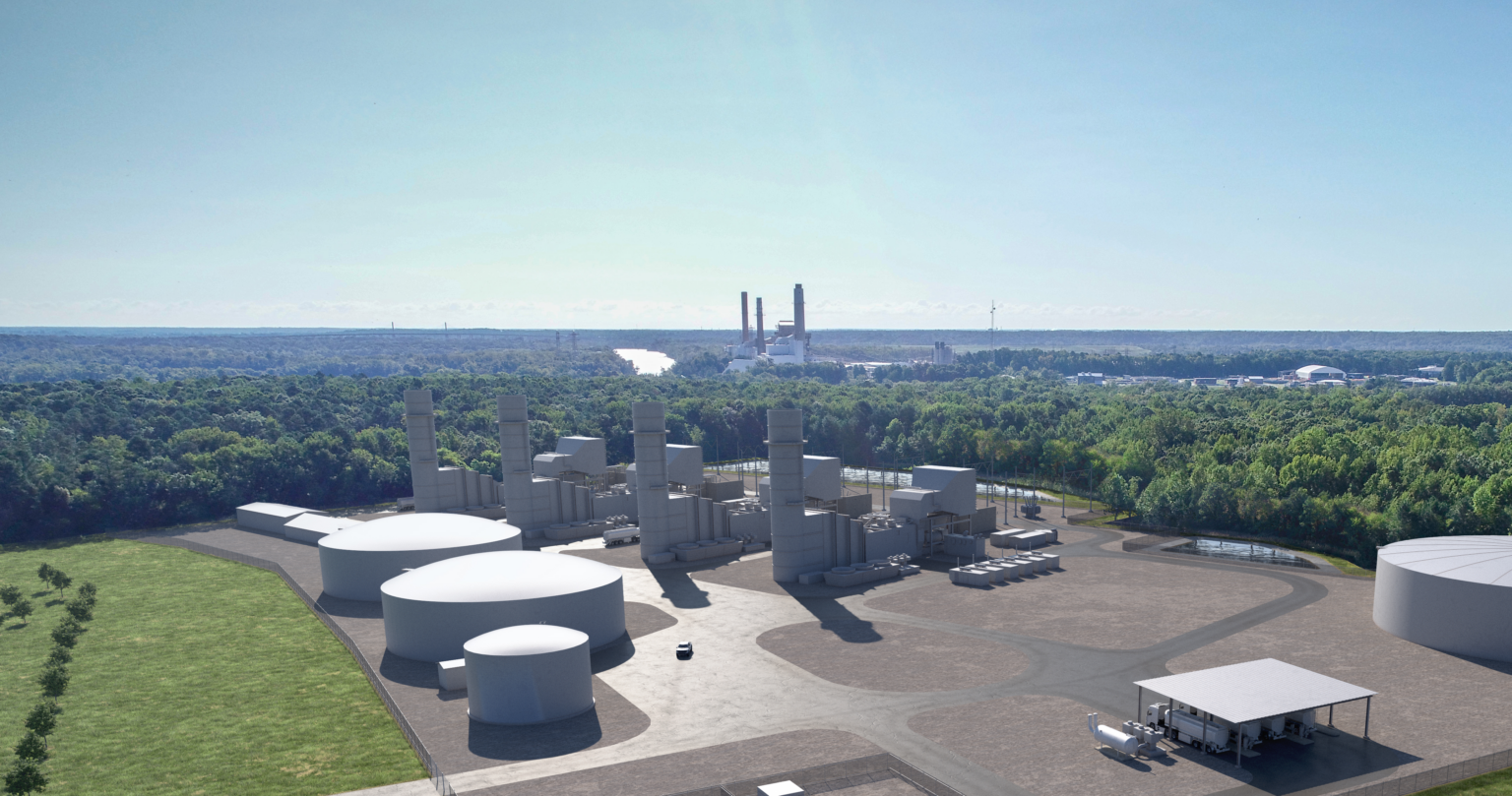
Natural gas peaking plants are essential for keeping the electricity grid stable, especially as renewable energy sources like wind and solar become more common. These plants provide quick, flexible power during times of high demand, ensuring the grid stays reliable while supporting the shift to cleaner energy.
Also called peaker plants, they can start quickly to balance the grid when demand is high or renewable generation is low. By providing this flexibility, peaker plants help integrate unpredictable renewable energy into the system.
In this article, we explore what natural gas peaking plants are, how they operate in the energy market, and their role in supporting renewable energy integration.
What Are Natural Gas Peaking Plants and How Do They Work?
Natural gas peaking plants are power plants that run during times of high electricity demand. They are different from baseload plants, which operate all day and night. Peaker plants only turn on when extra power is needed. When electricity demand increases or when supply is low, these plants step in to support the grid. Renewable sources like solar and wind do not always produce power because they depend on weather conditions. When the sun is not shining or the wind is not blowing, peaker plants quickly start up to provide the needed electricity.
Related Blog:
Exploring Renewable Natural Gas: Uses, Production, and Impact
The Types of Peaking Power Plants
Peaking power plants use different fuels and technologies. Below is one of the most common types:
Natural Gas Turbines
Natural gas turbine plants use turbines fueled by natural gas or biogas to produce electricity. In these facilities, the gas is combusted to spin a turbine, which then drives a generator to create power quickly. They are highly efficient and ideal for fast-start situations when electricity demand increases rapidly. Grid operators often rely on these plants during peak demand periods, especially when baseload power plants do not have enough scheduled generation to keep the system balanced.
Diesel and Petroleum-Derived Liquid Engines
Diesel and petroleum engine power plants use diesel fuel or other liquid fuels to spin turbines and generate electricity. These facilities are commonly located in areas that do not have access to natural gas pipelines. However, compared to natural gas turbine plants, diesel and petroleum-based plants produce significantly higher carbon emissions.
Biogas Plants
Biogas power plants use renewable gas as their fuel source. This makes them a cleaner option compared to traditional natural gas peaking plants. Because biogas is considered a greener fuel, these plants are becoming more popular during the energy transition. They help provide flexible power while reducing overall carbon emissions.
Hybrid Systems
Hybrid power plants combine battery storage with natural gas turbines. This setup improves flexibility and lowers fossil fuel use. System operators often dispatch these plants during short-term spikes in electricity demand. When extra power is available, it is stored in a battery energy storage system. This stored energy helps balance grid frequency and reduces the risk of blackouts.
The Pros and Cons of Natural Gas Peaking Plants
Natural gas peaker plants are important for keeping the electric grid stable. They can quickly produce power when demand is high. Compared to oil or coal plants, natural gas is a cleaner energy source. Because of this, peaker plants have become more common in many regional transmission organizations (RTOs) and independent system operators (ISOs). Let’s take a closer look at the advantages and disadvantages of natural gas peaker plants.
Pros
- Quick Start-Up: Peaker plants can turn on within minutes. This makes them ideal for sudden increases in electricity demand.
- Grid Stability: They help keep the grid stable during high demand. They also provide power when renewable energy production drops.
- Flexible Fuels: Peaker plants can use different fuels. These include natural gas, renewable natural gas, and biogas, depending on availability and infrastructure.
- Cost-Effective for Emergencies: They are more expensive to run than baseload plants. However, they are very effective at preventing outages during emergencies.
Cons
- Higher Costs: Peaker plants are used only during high demand. This makes their cost per kilowatt-hour higher than baseload plants.
- Environmental Impact: Peakers that run on natural gas, diesel, or other fossil fuels release greenhouse gases and pollutants.
- Fuel Dependency: Relying on fossil fuels like natural gas slows down efforts to reduce carbon emissions in the long term.
Related Blog:
A Beginner’s Guide to Natural Gas Contracts
Natural Gas Peaking Plants Globally and in the U.S.
Natural gas peaking plants are an important part of keeping power grids stable worldwide. In the U.S., regional transmission operators (RTOs) and independent system operators (ISOs) use these plants to maintain a reliable power system. Globally, peaker plants help integrate renewable energy by providing quick power when solar or wind production is low. Next, we’ll look at how these plants operate in different parts of the world.
U.S.
In the United States, natural gas peaking plants are mainly found in deregulated energy markets like New England (ISO-NE) and Pennsylvania (PJM), as well as in regions with high renewable energy use, such as California (CAISO) and Texas (ERCOT). These peaker plants are typically used during extreme weather events, like heatwaves or winter storms, when electricity demand reaches its highest levels.
Europe
In Germany and the UK, natural gas peaking plants help integrate wind and solar energy while keeping the grid stable. Because solar and wind depend on sunlight and wind, their output can be unpredictable. Peaker plants fill the gap when renewable energy generation is low, ensuring that the electricity supply meets demand and the grid remains reliable.
Developing Countries
In regions with growing energy demand, natural gas peaking plants serve as a bridge to meet short-term electricity needs while energy infrastructure is still being built. In many emerging markets, natural gas plants are gradually replacing oil-fired plants because they are cleaner and more cost-effective to operate.
Gas Peaker Plants in the Renewable Energy Transition
The shift to renewable energy requires clean, reliable, and flexible power to handle the intermittent nature of wind and solar. Natural gas peaking plants act as backup power, supplying electricity when the sun isn’t shining or the wind isn’t blowing. These peaker plants support the renewable energy transition by stabilizing the grid and ensuring consistent power availability during periods of low renewable generation.
Related Blog:
The Benefits of Using an Energy Broker for Natural Gas Transactions
Filling the Gap Between Demand and Supply
Peakers run during periods of low renewable output, like at night or when there’s calm weather. They balance the electric system and prevent outages. System operators rely on these plants to ensure that supply and demand are in continual balance.
Supporting Renewable Energy Integration
Because solar and wind energy are variable, peaker plants are essential for grid stability. Their fast start-up and ramp-up abilities complement renewable energy projects, filling short-term energy gaps and ensuring a consistent power supply.
Decarbonization Strategies
While natural gas peakers rely on fossil fuels, they can use cleaner fuels like natural gas, biogas, or renewable natural gas to reduce emissions. Incorporating carbon capture and utilization (CCU) allows these plants to align with broader decarbonization and sustainability goals.
Innovation
Hybrid systems that combine natural gas turbines with battery storage are becoming more popular. Batteries provide quick response, while gas turbines handle longer-duration power needs. Together, they increase grid flexibility and reduce emissions, supporting a more reliable and cleaner energy system.
Energy Security
Natural gas peaking plants help maintain energy security during extreme weather events and emergencies. Their ability to run on multiple fuels like petroleum-derived liquids, natural gas, or biogas makes them a reliable backup for the electricity grid when demand spikes or renewable output is low.
Want to Learn More?
Natural gas peaker plants are a key part of today’s energy mix. They provide flexibility, reliability, and quick-start support for integrating renewable energy while keeping the grid stable. As we move toward a cleaner energy future, peakers will continue to play an important role, including running on lower-carbon fuels and hybrid systems. If you want to understand how the electric system affects your business, contact our team of energy market experts today. We can help with energy procurement, renewable energy strategies, and planning for a more sustainable energy future.