
Energy Brokers in Utah, USA
Home » Energy Brokers in Utah, USA
Smarter Energy Decisions for Utah Businesses
Energy is an important part of running a business in Utah. Whether you operate in Salt Lake City, Provo, or smaller towns across the state, reliable electricity and natural gas are essential for daily operations. From tech offices and data centers to manufacturing and tourism businesses, energy needs can vary widely. Working with experienced energy brokers in Utah helps companies better understand their usage and find practical ways to manage costs.
Great Energy 1 helps businesses simplify energy planning. We review how your company uses energy, explain pricing structures, and identify opportunities to improve efficiency. Our goal is to help you reduce waste, control expenses, and plan with confidence.
Get Quote
What Businesses Pay for Electricity in Utah
As of 2025-2026, commercial electricity rates in Utah typically range between 8.5¢ and 11.5¢ per kilowatt-hour (kWh). This is lower than the national average, making Utah one of the more cost-friendly states for electricity. Utah benefits from a diverse energy mix. Power is generated from natural gas, coal, hydroelectric sources, and a growing share of solar energy. This balance helps keep supply steady and prices relatively stable.
However, energy usage still changes throughout the year. Cold winters increase heating demand, while hot summers drive higher electricity use for cooling. Businesses with large facilities or extended operating hours may see higher bills during these peak periods. Electricity service is regulated in Utah. Most businesses receive power from utilities like Rocky Mountain Power or local municipal providers. While supplier choice is limited, companies can still lower costs by improving efficiency and managing usage patterns.
What Businesses Pay for Natural Gas in Utah
As of 2025-2026, commercial natural gas rates in Utah generally range between $7.20 and $9.80 per Mcf. Natural gas is widely used across the state, especially for heating during the winter months. Demand increases during colder seasons, which can lead to higher bills if usage is not managed carefully.
Utah has strong pipeline connections to major supply regions in the western United States. This helps maintain a reliable supply and keeps pricing relatively stable compared to some other states. Even in a regulated system, businesses can reduce natural gas costs by improving building efficiency, maintaining equipment, and tracking usage trends.
Ready to Lower Your Energy Costs?
A Simple Process to Improve Your Energy Strategy
Great Energy 1 makes energy planning simple and clear.
Start with Your Business Details
We begin by understanding your industry, location, and monthly energy usage. This helps us identify the right approach for your needs.
Get Clear Energy Insights
We analyze your consumption and break down your energy costs in simple terms. No confusing language, just clear information you can use.
Move Forward with Confidence
Once you choose a solution, we guide the process from start to finish and provide ongoing support when needed.
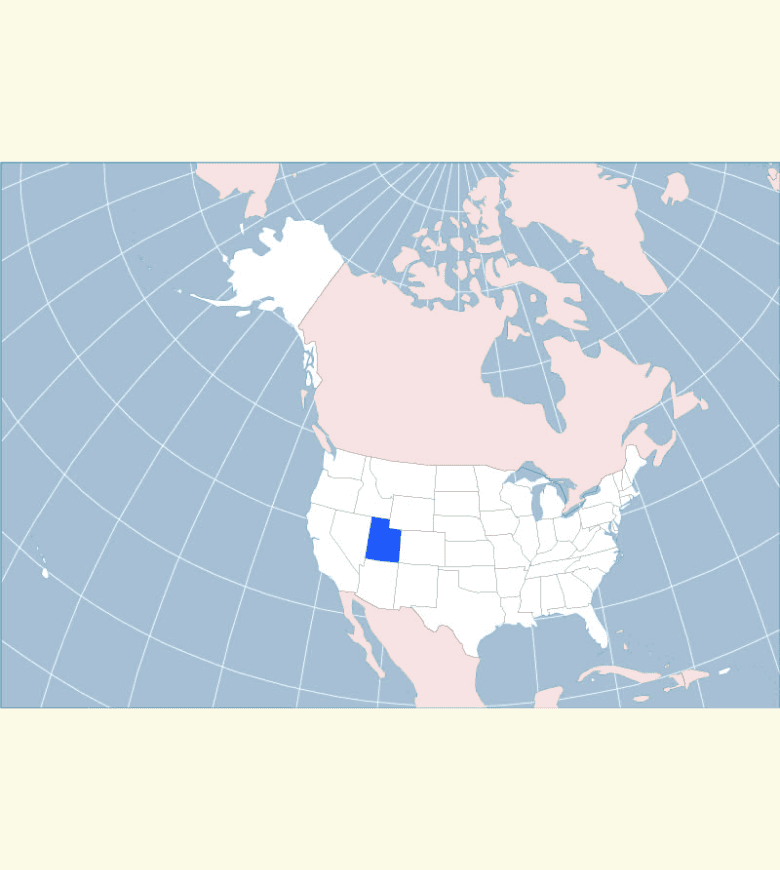
Supporting Businesses Across Utah
Utah’s economy is growing fast. Key industries include technology, manufacturing, tourism, healthcare, and logistics. Each industry has different energy needs. Data centers require constant power. Hotels and resorts use more energy for heating and cooling. Manufacturing facilities depend on stable energy for production. Great Energy 1 supports businesses across Salt Lake City, Ogden, Provo, St. George, and surrounding areas. We also work with companies in smaller communities across the state.
Better Energy Planning for Long-Term Savings
Energy costs can change over time due to weather, demand, and fuel prices. We help businesses understand these changes and prepare for them. By reviewing your energy usage, we can identify ways to reduce waste and improve efficiency. Small improvements can lead to long-term savings. With ongoing support, your business stays prepared as conditions change.
Energy Cost Options for Utah Businesses
Different businesses have different goals when managing energy costs.
Stable Cost Approach
Some businesses prefer predictable monthly bills. A stable pricing approach helps protect against sudden changes and makes budgeting easier. This option is useful for businesses that want consistent expenses.
Flexible Cost Approach
Other businesses prefer more flexibility. This allows costs to move with market conditions. When prices drop, businesses may save money. However, there is also some risk if prices increase. Choosing the right approach depends on your business needs and financial goals.
Understanding Utah’s Energy System
Utah operates under a regulated energy system. Businesses receive electricity from local utilities instead of choosing between suppliers. Rocky Mountain Power serves a large portion of the state, along with municipal utilities in certain areas. These providers handle both supply and delivery. Natural gas is also regulated, with utilities managing pricing and distribution. Utah continues to expand its renewable energy efforts. Solar energy is growing quickly, especially in the southern parts of the state. This supports cleaner energy and helps diversify the power supply.

Ready to Lower Your Energy Costs?
FAQs About Utah’s Energy System
Why do utilities handle both supply and delivery?
Utah has a regulated system where utilities are responsible for both generating and delivering electricity. This helps ensure consistent service and reliability.
Which utility serves most businesses?
Rocky Mountain Power provides electricity to a large portion of the state, along with smaller municipal utilities in certain areas.
Are there different utility providers in different parts?
Yes. While Rocky Mountain Power covers most areas, some cities and towns have their own municipal utility providers.
How is natural gas managed?
Natural gas service is controlled by local utilities. They handle both pricing and distribution under state regulation.
Why is solar energy growing in Utah?
Utah has strong sunlight conditions, especially in southern regions. This makes it ideal for solar projects, helping increase renewable energy use and diversify the power supply.

Industries We Support
Great Energy 1 works with a wide range of industries across North Carolina. We help businesses improve efficiency and manage electricity and natural gas costs. We support manufacturing, agriculture, healthcare, education, logistics, retail, and technology-driven companies. Each solution is tailored to real operational needs.

Warehouses
Lower gas & electricity costs, improve efficiency, and keep warehouse operations running smoothly with reliable power solutions.

Schools
Create a comfortable, cost-effective, and sustainable learning environment for students and staff with smart electricity & gas management.

Office Buildings
Reduce expenses, enhance workplace comfort, and support sustainability with gas & electricity-efficient solutions for office spaces.

Nursing Homes
Ensure safety, comfort, and reliable electricity & gas for nursing homes, keeping residents and staff at ease.

Shopping Centers
Save gas & electricity costs, improve lighting, and create a better shopping experience for businesses and customers.

Property Management
Optimize electricity & gas use, lower costs, and improve sustainability for residential and commercial properties.

Manufacturing Companies
Boost production efficiency, reduce gas & electricity costs, and keep manufacturing operations running without interruptions.
Answers to Common Questions
Frequently Asked Questions
Businesses usually pay between 8.5¢ and 11.5¢ per kWh, depending on usage and location.
Commercial natural gas costs about $7.20 to $9.80 per Mcf.
No. Utah has a regulated system, so businesses receive power from local utilities.
The state has a balanced energy mix and access to local resources, which helps keep costs lower.
Yes. Cold winters increase heating demand, while hot summers increase cooling use.
Yes. Solar energy is expanding, especially in the southern regions of the state.
Yes. Improving efficiency and managing energy use can help lower overall costs.
Hear What People Are Saying About Us
Testimonial

