
Energy Brokers in Minnesota, USA
Home » Energy Brokers in Minnesota, USA
Practical Energy Solutions for Minnesota Businesses
Minnesota businesses operate in one of the most climate-driven energy markets in the United States. Long, cold winters and warm summers create steady demand for both electricity and natural gas. From manufacturing plants in Minneapolis and St. Paul to food processors, schools, and agricultural operations across rural areas, energy is a major part of monthly operating costs.
Working with experienced energy brokers in Minnesota helps businesses better understand how their energy costs are built and where savings may be possible.
Great Energy 1 supports companies by reviewing usage patterns, explaining rate structures, and identifying smarter ways to manage electricity and natural gas expenses. Instead of dealing with complex utility details alone, businesses get clear guidance and practical strategies designed to improve efficiency and support long-term financial stability.
Get Quote
What Businesses Pay for Electricity in Minnesota?
As of 2025-2026, commercial electricity rates in Minnesota generally range between 11¢ and 14¢ per kilowatt-hour (kWh), depending on the utility, usage level, and business size. These rates are influenced by a mix of energy sources, including nuclear power, natural gas, wind energy, and imported electricity from regional grids. Minnesota is one of the leading states in wind energy production, which helps support long-term price stability but does not eliminate seasonal fluctuations. Electricity demand changes significantly throughout the year.
During winter, heating systems and lighting needs increase usage. In summer, cooling systems add extra load to commercial buildings. Businesses with high or unpredictable energy usage may also see demand-based charges that affect total monthly bills. Minnesota operates mainly under a regulated electricity structure. This means most businesses receive power from assigned utilities such as Xcel Energy or regional cooperatives. While supplier choice is limited, businesses can still manage costs by improving efficiency, adjusting usage timing, and selecting the right rate structure where available.
What Businesses Pay for Natural Gas in Minnesota?
As of 2025, commercial natural gas prices in Minnesota typically range from $7.50 to $10.50 per Mcf, depending on demand conditions and utility territory. Natural gas plays a major role in heating across the state due to its long and very cold winters. Demand rises sharply between November and March, which often leads to higher seasonal pricing for commercial users.
Minnesota benefits from strong pipeline access connected to major supply regions in Canada and the central United States. This helps maintain steady availability, but prices can still fluctuate based on weather conditions and national energy markets. Some large commercial users in select service areas may have limited options for supplier arrangements, but most businesses still receive natural gas through regulated utility systems. Even in this structure, better cost control is possible through usage optimization and contract planning strategies.
Unlock Better Energy Rates in Minnesota Today
Improve Your Energy Strategy in 3 Simple Steps
Great Energy 1 helps simplify energy decision-making for Minnesota businesses.
Share Your Business Details
Start by providing basic information about your company, including location, industry type, and estimated energy usage. This helps identify the most relevant cost-saving opportunities.
Review Your Energy Insights
Our team evaluates your consumption patterns and explains where your energy costs come from. We present clear, easy-to-understand recommendations tailored to your operations.
Move Forward with a Plan
Once you select the best option, we guide the implementation process and provide ongoing support to help you stay on track with your energy goals.
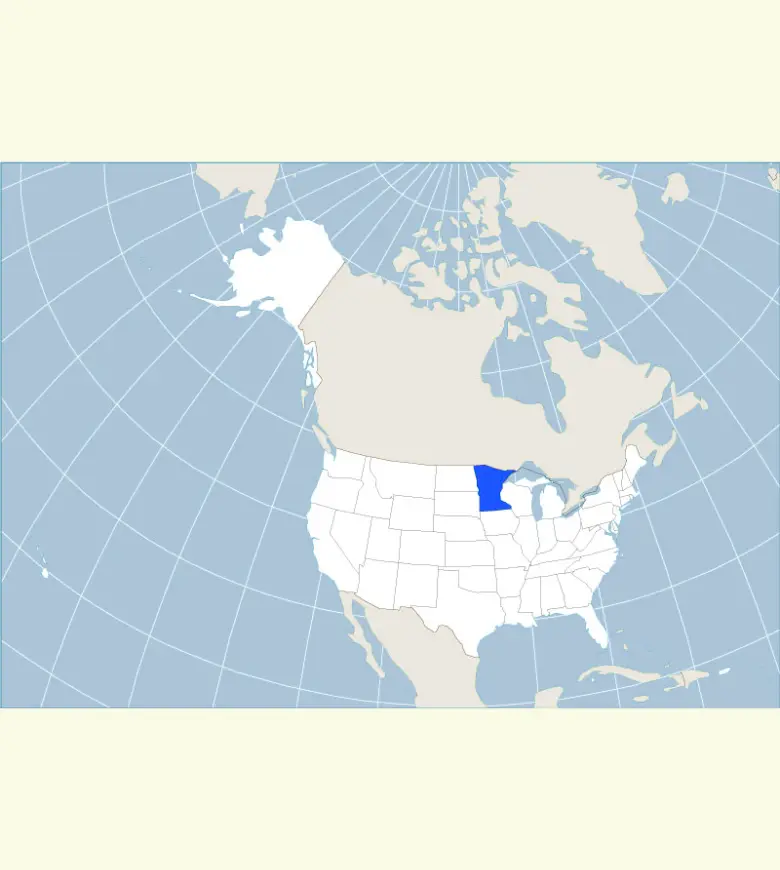
Supporting Businesses Across Minnesota
Minnesota has a diverse economy with strong industries in manufacturing, agriculture, healthcare, retail, and technology. Each sector has unique energy demands. Manufacturing facilities often require continuous power for equipment and production lines. Agricultural operations rely on energy for irrigation, storage, and processing. Office buildings and service-based businesses focus more on heating, cooling, and lighting efficiency.
Great Energy 1 works with businesses across Minneapolis, St. Paul, Rochester, Duluth, and rural communities throughout the state. Our goal is to help every type of business reduce energy waste and improve cost predictability.
Smarter Energy Planning for Long-Term Stability
Energy costs can change throughout the year, especially in a climate like Minnesota’s. That is why planning is important. Our team helps businesses understand their usage trends and identify areas where improvements can be made. Even small operational changes can lead to noticeable savings over time. We also provide ongoing support as market conditions and seasonal demand shift. This helps businesses stay prepared and avoid unexpected cost increases.
Energy Cost Strategies for Minnesota Businesses
Different businesses need different approaches depending on size, usage, and risk tolerance.
Stable Cost Approach
Some businesses prefer predictable monthly expenses. In these cases, fixed-style pricing options help reduce uncertainty and protect against seasonal price spikes. This approach is often preferred by organizations that need stable budgeting, such as schools, healthcare facilities, and large office buildings.
Flexible Cost Approach
Other businesses prefer flexibility in their energy strategy. This approach allows costs to adjust based on market conditions. When energy prices drop, businesses can benefit from lower costs. However, this method also carries some exposure to price increases, so it is best suited for companies with more flexible budgets or higher usage expertise.
Understanding Minnesota’s Energy System
Minnesota has a regulated electricity market. This means businesses do not choose their electricity supplier. Instead, utilities provide both energy supply and delivery services. Major utilities such as Xcel Energy serve large portions of the state, while cooperatives and municipal providers cover rural areas. Each utility has its own rate structure, approved by state regulators to ensure fairness and reliability.
Natural gas service is also regulated in most areas, although large commercial customers in some territories may have limited procurement options depending on utility rules. Minnesota is also a national leader in renewable energy adoption, especially wind power. Many wind farms across the state help supply cleaner electricity to the regional grid, supporting long-term sustainability goals.

Ready to Lower Your Energy Costs?
FAQs About Minnesota’s Energy Market
Why is Minnesota’s electricity market regulated?
Minnesota regulates electricity to ensure fair pricing, reliable service, and consistent delivery across urban and rural areas. Utilities are responsible for both supplying and distributing power.
Which companies provide electricity in Minnesota?
Electricity is mainly supplied by utilities such as Xcel Energy, along with local municipal utilities and rural electric cooperatives, depending on the region.
Do rural areas in Minnesota get the same energy service as cities?
Rural areas are served by electric cooperatives or smaller utilities. While service quality is similar, rate structures and providers may vary compared to major cities.
Is renewable energy important in Minnesota’s power supply?
Yes. Minnesota is one of the leading states for wind energy, which plays a major role in supplying cleaner electricity to the state’s power grid.
Can large businesses in Minnesota ever choose their energy supply?
In most cases, no. However, some large commercial customers may have limited procurement options for natural gas depending on their utility territory and service agreement.

Industries We Power with Gas and Electricity Solutions
Great Energy 1 works with a wide range of industries across Wisconsin. We help businesses reduce electricity and natural gas costs while improving efficiency. Our solutions support warehouses, farms, offices, healthcare facilities, schools, property management and more. Each plan is designed to match your business needs and daily operations.

Warehouses
Lower gas & electricity costs, improve efficiency, and keep warehouse operations running smoothly with reliable power solutions.

Schools
Create a comfortable, cost-effective, and sustainable learning environment for students and staff with smart electricity & gas management.

Office Buildings
Reduce expenses, enhance workplace comfort, and support sustainability with gas & electricity-efficient solutions for office spaces.

Nursing Homes
Ensure safety, comfort, and reliable electricity & gas for nursing homes, keeping residents and staff at ease.

Shopping Centers
Save gas & electricity costs, improve lighting, and create a better shopping experience for businesses and customers.

Property Management
Optimize electricity & gas use, lower costs, and improve sustainability for residential and commercial properties.

Manufacturing Companies
Boost production efficiency, reduce gas & electricity costs, and keep manufacturing operations running without interruptions.
Answers to Common Questions
Frequently Asked Questions
Commercial electricity rates typically range between 11¢ and 14¢ per kWh, depending on usage and location.
Natural gas prices generally fall between $7.50 and $10.50 per Mcf, depending on seasonal demand.
No. Electricity service is regulated, and businesses receive power from their local utility provider.
Cold winters significantly increase heating needs, while summer cooling also adds to electricity consumption.
Yes. Minnesota is a leading wind energy producer, and renewables play a growing role in the state’s energy mix.
Yes. Efficiency improvements, usage management, and better rate understanding can all reduce overall energy expenses.
Hear What People Are Saying About Us
Testimonial

