
Energy Brokers in Iowa, USA
Home » Energy Brokers in Iowa, USA
Reliable Energy Solutions for Iowa Businesses
Energy is an important operating cost for businesses across Iowa. From agricultural operations in rural communities to manufacturing plants in Des Moines and logistics hubs across the state, companies rely on steady and affordable electricity and natural gas every day.
Working with experienced energy brokers in Iowa helps businesses better understand their energy usage and find practical ways to reduce costs. Great Energy 1 supports companies by reviewing consumption patterns, explaining utility pricing, and identifying opportunities for long-term savings.
Get Quote
What Businesses Pay for Electricity in Iowa
As of 2025–2026, commercial electricity rates in Iowa typically range between 9.2¢ and 12.4¢ per kilowatt-hour (kWh). Iowa is one of the more affordable electricity states in the U.S. This is largely due to its strong renewable energy production, especially wind power, along with a stable regional fuel supply. In fact, Iowa is a national leader in wind energy generation. Wind turbines supply a large portion of the state’s electricity, helping reduce reliance on imported fuels and supporting lower overall energy costs.
However, electricity usage still varies by season and industry. Agricultural businesses may see higher demand during harvest periods, while manufacturing and cold storage facilities often have steady year-round usage. Electricity service in Iowa is regulated. Most businesses receive power from utilities such as MidAmerican Energy or Alliant Energy. Supplier choice is limited, but businesses can still reduce costs through efficiency improvements and smart energy planning.
What Businesses Pay for Natural Gas in Iowa
As of 2025, commercial natural gas rates in Iowa generally range between $7.50 and $10.30 per Mcf. Iowa does not produce large amounts of natural gas locally. Instead, it relies on interstate pipeline systems that bring supply from other producing regions. Natural gas is commonly used for heating, grain drying, industrial processing, and commercial building operations. Demand increases during colder months, especially in the northern parts of the state. Because national supply and transportation costs influence pricing, businesses may see seasonal fluctuations. Monitoring usage closely helps reduce unnecessary expenses.
Unlock Better Energy Rates in Iowa Today
Improve Your Energy Strategy in 3 Simple Steps
Great Energy 1 makes energy planning simple for Iowa businesses.
Share Your Business Information
Provide details about your location, industry type, and estimated energy use.
Review Your Energy Insights
We analyze your usage and explain your energy costs in clear and simple language.
Take Action with Confidence
Once you choose a solution, we help manage the process and provide ongoing support.
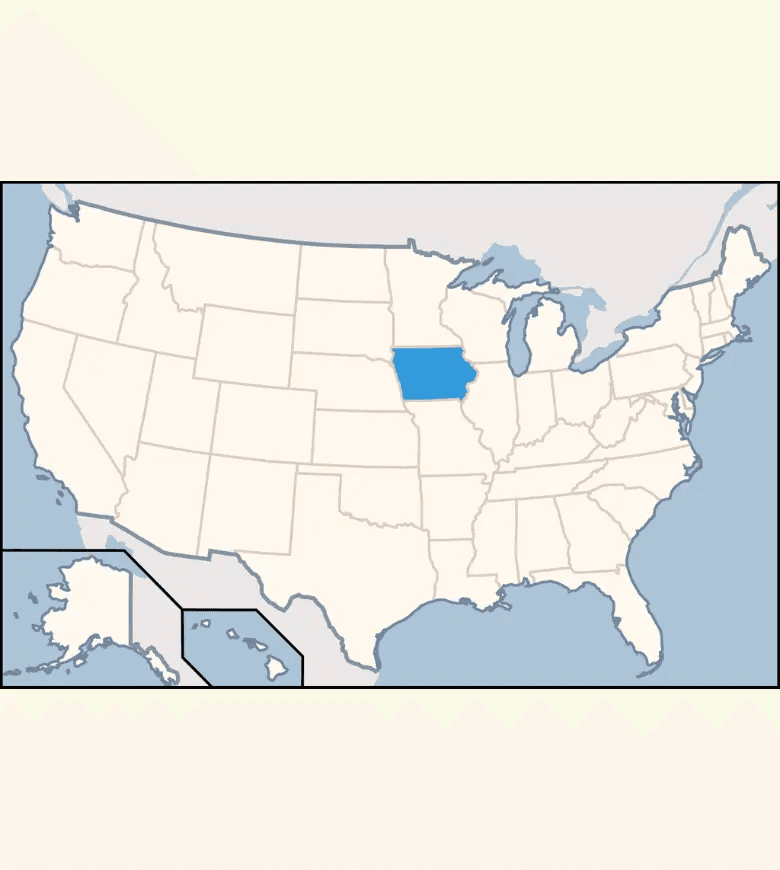
Supporting Businesses Across Iowa
Iowa has a strong economy built on agriculture, manufacturing, food processing, logistics, and renewable energy. Each industry uses energy differently. Farms rely on energy for irrigation and grain drying. Manufacturing plants depend on consistent electricity for production. Food processing facilities require stable energy for refrigeration and operations. Great Energy 1 supports businesses across Des Moines, Cedar Rapids, Davenport, Sioux City, and smaller rural communities. Our approach is always based on real usage, not generic estimates.
Smarter Energy Planning for Long-Term Savings
Energy costs in Iowa are influenced by weather, fuel supply, and demand cycles. We help businesses understand where energy is being used and how to reduce waste. Even small efficiency improvements can create meaningful savings over time. With ongoing support, businesses can adjust strategies as market conditions change.
Energy Cost Strategies for Iowa Businesses
Businesses in Iowa typically focus on either stability or flexibility when managing energy costs.
Stable Cost Approach
Some businesses prefer predictable monthly bills. Fixed-style pricing helps protect against seasonal changes and supports easier budgeting. This approach is often used by schools, offices, healthcare facilities, and small businesses.
Flexible Cost Approach
Other businesses prefer pricing that adjusts to market conditions. This approach can offer savings when prices are lower but includes some exposure to market changes. Larger or more energy-intensive operations often use it.
Understanding Iowa’s Energy System
Iowa has a regulated electricity system. Businesses do not choose their electricity supplier. Instead, utilities like MidAmerican Energy and Alliant Energy provide service based on location.
These utilities manage both generation and delivery of electricity under state regulation. Natural gas is also regulated and delivered through utility systems, with pricing based on market conditions and infrastructure costs. Iowa is a national leader in renewable energy, especially wind power. This strong renewable base helps support lower electricity costs and cleaner energy production.
Ready to Lower Your Energy Costs?
FAQs About Iowa’s Energy System
Why don’t Iowa businesses choose their electricity provider?
Iowa has a regulated electricity system. This means service is assigned by location, and local utilities handle all supply and delivery.
Which utilities serve most of Iowa’s electricity customers?
Most businesses in Iowa are served by utilities like MidAmerican Energy and Alliant Energy, depending on their location.
Do Iowa utilities generate electricity as well as deliver it?
Yes. Utilities in Iowa are responsible for both producing electricity and delivering it to homes and businesses.
How is natural gas service managed in Iowa?
Natural gas is delivered through utility networks. Pricing is regulated and depends on supply, transportation, and market conditions.
Why is wind energy important in Iowa?
Wind energy plays a major role in Iowa’s power generation. It helps increase renewable energy use and supports lower electricity costs.
How does Iowa’s energy system support reliability for businesses?
Because utilities control both supply and delivery under regulation, businesses benefit from consistent service and stable energy distribution.

Industries We Support
Great Energy 1 works with many industries across Iowa. We help businesses reduce electricity and natural gas costs while improving efficiency. We support agriculture, manufacturing, food processing, logistics, healthcare, and office-based businesses. Each solution is customized based on real usage patterns.

Warehouses
Lower gas & electricity costs, improve efficiency, and keep warehouse operations running smoothly with reliable power solutions.

Schools
Create a comfortable, cost-effective, and sustainable learning environment for students and staff with smart electricity & gas management.

Office Buildings
Reduce expenses, enhance workplace comfort, and support sustainability with gas & electricity-efficient solutions for office spaces.

Nursing Homes
Ensure safety, comfort, and reliable electricity & gas for nursing homes, keeping residents and staff at ease.

Shopping Centers
Save gas & electricity costs, improve lighting, and create a better shopping experience for businesses and customers.

Property Management
Optimize electricity & gas use, lower costs, and improve sustainability for residential and commercial properties.

Manufacturing Companies
Boost production efficiency, reduce gas & electricity costs, and keep manufacturing operations running without interruptions.
Answers to Common Questions
Frequently Asked Questions
Businesses typically pay between 9.2¢ and 12.4¢ per kWh, depending on usage and location.
Commercial natural gas rates usually range from $7.50 to $10.30 per Mcf.
No. Iowa has a regulated system, so businesses receive electricity from their assigned utility.
Strong wind energy production and stable fuel supply help keep costs lower than the national average.
Yes. Farming operations, especially grain drying and irrigation, significantly impact seasonal energy demand.
Most businesses are served by MidAmerican Energy or Alliant Energy, depending on location.
Hear What People Are Saying About Us
Testimonial

