
Energy Brokers in Hawaii, USA
Home » Energy Brokers in Hawaii, USA
Smarter Energy Solutions for Hawaii Businesses
Energy costs in Hawaii are some of the highest in the United States. Businesses across the islands face unique challenges due to geography, fuel imports, and isolated power systems. From hotels in Honolulu to small businesses on Maui and industrial operations on the Big Island, reliable and affordable energy is critical.
Working with experienced energy brokers in Hawaii helps businesses better understand these challenges and find ways to reduce costs. Great Energy 1 supports companies by reviewing energy usage, explaining rate structures, and identifying strategies that improve efficiency and long-term savings. Our goal is simple. We make energy decisions easier, so your business can focus on growth while keeping costs under control.
Get Quote
What Is the Average Electricity Rate in Hawaii?
As of 2025-2026, the average commercial electricity rate in Hawaii is about 36-38¢ per kilowatt-hour (kWh). This is the highest in the United States and more than double the national average. Rates can vary depending on the island and the size of your business. Large commercial users may pay slightly lower rates, while smaller businesses often pay more. On some islands, electricity can exceed 40¢ per kWh due to higher operating and fuel costs. The main reason for high prices is Hawaii’s reliance on imported fuel.
A large portion of electricity is still generated using oil, which must be shipped to the islands. This increases production costs and leads to higher utility bills. Energy costs can also change based on fuel prices and demand. During periods of high usage, such as hot weather or peak tourism seasons, businesses may see higher bills. Even though the market is regulated, businesses can still manage costs. By understanding usage patterns and improving efficiency, companies can reduce waste and better control monthly expenses.
What Is the Average Natural Gas Rate in Hawaii?
Natural gas use in Hawaii is more limited compared to mainland states. Instead of traditional pipeline gas systems, Hawaii primarily uses synthetic natural gas and propane distributed locally. Because of this setup, pricing is not always measured in the same way as mainland markets. Rates vary by island, provider, and usage type. Businesses typically pay higher energy costs overall due to transportation, production, and infrastructure limitations.
Although pricing structures differ, businesses can still benefit from reviewing their energy usage and identifying ways to reduce consumption. Improving efficiency and choosing the right plan structure can help lower overall costs.
Improve Your Energy Strategy in 3 Simple Steps
Great Energy 1 makes the process simple and clear.
Share Your Business Information
Provide basic details about your company, including location, type of business, and estimated energy usage.
Review Your Energy Options
Our team analyzes your data and presents solutions that match your needs. Each option is explained in simple terms so you can compare easily.
Start Saving
Once you choose an energy plan or strategy, we guide you through the next steps and provide ongoing support.
Unlock Better Energy Rates in Hawaii Today
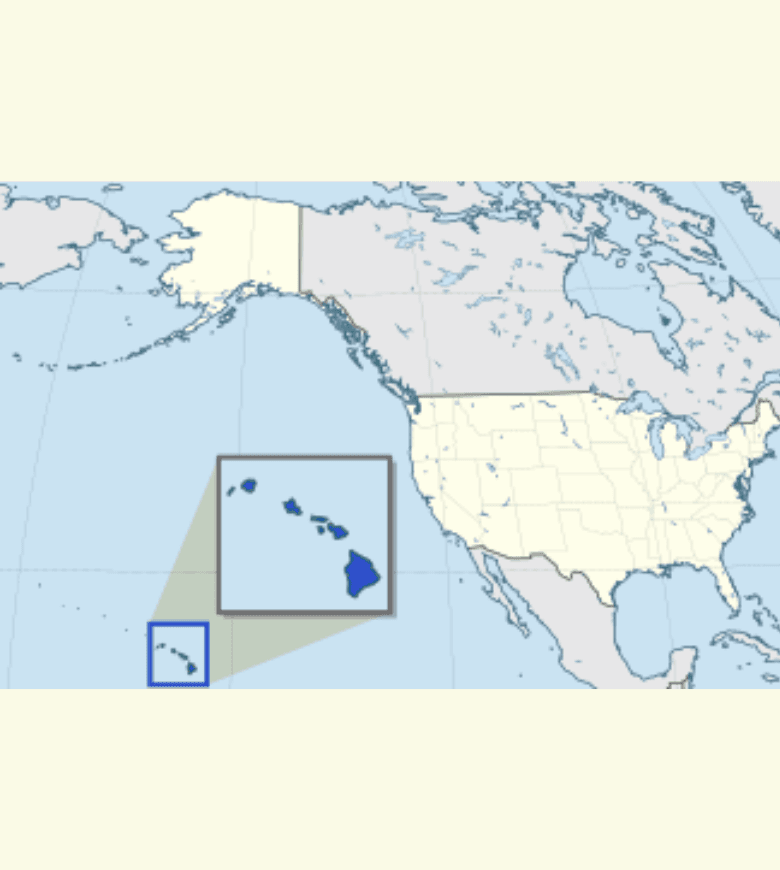
Supporting Businesses Across Hawaii
Hawaii’s economy is driven by tourism, hospitality, retail, and local services. Each industry has different energy needs. Hotels and resorts use large amounts of electricity, while restaurants and small businesses must manage tight operating margins. Great Energy 1 works with businesses across Oahu, Maui, Kauai, and the Big Island. Whether you operate a beachfront resort or a local shop, we help you find ways to reduce costs and improve efficiency.
Maximize Your Energy Savings with Great Energy 1
Energy costs in Hawaii can be unpredictable. That is why having expert support matters. Our team helps businesses understand where their money is going and how to improve efficiency. We focus on practical solutions that reduce waste and create long-term savings. You also receive ongoing support. As market conditions change, we help you adjust your strategy and stay ahead of rising costs.
Energy Plans and Cost Management Options
Even in a regulated market, businesses still have options.
Stable Cost Approaches
Fixed-style strategies help businesses maintain predictable monthly expenses. These approaches focus on reducing exposure to sudden price increases. Contract adjustments can also help businesses improve pricing over time. By reviewing current agreements, companies may find opportunities to lower rates or improve terms.
Flexible Cost Strategies
Some businesses prefer a more flexible approach. These strategies allow companies to adjust based on market conditions. Rates may change over time, but they can also provide opportunities to save when prices drop. This approach works best for businesses that can manage some level of risk.
Understanding Hawaii’s Energy Market
Hawaii has a fully regulated energy market. Businesses do not have the option to choose their electricity provider. Instead, power is supplied by local utilities that operate on each island. Each island has its own independent grid. There is no connection to other states or even between islands. This makes energy production more expensive and less flexible.
Fuel costs play a major role in pricing. Since much of the energy supply depends on imported oil, any changes in global fuel prices can directly impact electricity rates. At the same time, Hawaii is investing heavily in renewable energy. Solar and wind power are growing quickly, helping reduce reliance on fossil fuels and stabilize future costs.
Ready to Take Control of Your Energy Costs?
FAQs About Hawaii’s Energy Market
Is Hawaii investing in renewable energy?
Yes. Hawaii is expanding solar and wind energy projects. These renewable sources help reduce reliance on imported fuel and support more stable long-term energy costs.
Why is electricity more expensive in Hawaii?
Hawaii relies heavily on imported oil for electricity generation. Shipping fuel to the islands increases production costs and leads to higher electricity rates.
Does each Hawaiian island have its own power grid?
Yes. Each island operates on an independent power grid. There are no connections between islands or to the mainland United States grids.
Do fuel prices affect electricity rates in Hawaii?
Yes. Since much of Hawaii’s electricity depends on imported fuel, changes in global oil prices can directly impact electricity costs.
Can businesses choose their electricity provider in Hawaii?
No. Hawaii has a fully regulated energy market. Businesses receive electricity from their local island utility provider.

Industries We Power with Gas and Electricity Solutions
Great Energy 1 helps businesses across Hawaii lower both electricity and gas-related energy costs. Our solutions are designed for many industries, including hospitality, retail, healthcare, offices, and more. Each plan is tailored to your business size, usage, and goals. This ensures you get a solution that works for your operations and budget.

Warehouses
Lower gas & electricity costs, improve efficiency, and keep warehouse operations running smoothly with reliable power solutions.

Schools
Create a comfortable, cost-effective, and sustainable learning environment for students and staff with smart electricity & gas management.

Office Buildings
Reduce expenses, enhance workplace comfort, and support sustainability with gas & electricity-efficient solutions for office spaces.

Nursing Homes
Ensure safety, comfort, and reliable electricity & gas for nursing homes, keeping residents and staff at ease.

Shopping Centers
Save gas & electricity costs, improve lighting, and create a better shopping experience for businesses and customers.

Property Management
Optimize electricity & gas use, lower costs, and improve sustainability for residential and commercial properties.

Manufacturing Companies
Boost production efficiency, reduce gas & electricity costs, and keep manufacturing operations running without interruptions.
Answers to Common Questions
Frequently Asked Questions
The state relies heavily on imported fuel, especially oil. Transportation and production costs increase overall pricing.
Yes. Hawaii is a leader in solar energy, and many businesses use renewable solutions to reduce long-term costs.
As of 2025-2026, businesses typically pay around 36-38¢ per kWh, the highest rate in the country.
Yes. High tourism seasons increase demand, which can lead to higher energy usage and costs.
Improving efficiency, managing usage, and working with experts can help reduce expenses.
Yes. Rates and costs can differ depending on the island, infrastructure, and demand levels.
No. Hawaii has a regulated market, so businesses must use their local utility provider.
Hear What People Are Saying About Us
Testimonial

