
Energy Brokers in California, USA
Home » Energy Brokers in California, USA
Navigating California’s high electricity and gas rates can be overwhelming, but Great Energy 1 makes it simple. We provide strategies that help businesses of all sizes reduce costs, streamline energy management, and secure plans that fit their budget so you can focus on growing your business instead of worrying about utility bills.
What Are the Latest Natural Gas Rates in California?
In 2026, natural gas prices in California remain relatively high but have eased slightly from 2025. Residential rates average about $20-23 per thousand cubic feet (Mcf), while commercial prices are around $16 per Mcf and industrial rates about $12-13 per Mcf. In retail terms, customers typically pay roughly $0.12-$0.15 per therm. Overall, prices have declined somewhat due to lower wholesale costs but still vary by region and season.
What Are the Latest Electricity Rates in California?
The latest electricity rates in California (2026) are among the highest in the U.S. Residential customers typically pay around 35-39 cents per kilowatt-hour (kWh) on average, depending on the data source and month. Rates vary by utility and plan, often ranging from about 24¢ to over 70¢/kWh under time-of-use pricing, especially during peak hours. Overall, while prices have stabilized slightly in 2026, they remain high due to infrastructure costs, demand, and energy policies.
Get Quote
Why Work With an Energy Broker in California?
California’s energy market is one of the most complex in the country, with high rates, strict regulations, and time-of-use pricing structures. Managing energy costs without expert guidance can be challenging for businesses trying to stay competitive. An experienced energy broker in California helps simplify this process by comparing multiple suppliers, analyzing usage patterns, and identifying cost-saving opportunities tailored to your business needs. Instead of relying on a single utility option, our energy brokers give you access to a wider range of competitive energy plans.
They also help businesses navigate programs like Direct Access, understand peak vs. off-peak pricing, and choose the right contract structure, whether fixed, flexible, or hybrid. This ensures you not only reduce costs but also gain long-term stability and predictability in your energy expenses. With expert support, businesses can avoid costly mistakes, improve efficiency, and focus more on growth rather than managing energy complexities.
3 Easy Steps to Switch Your Energy Providers
Lowering your commercial & residential energy costs is now simple and fast. You do not need to spend hours researching energy providers or plans. Our team of energy experts helps you find the lowest electricity and gas rates in just three easy steps.
Connect with Our Energy Experts
Start by sharing basic details about your business. This includes your contact information and your estimated monthly energy bill.
Let Us Curate Your Best Plans
Our Expert Team will research for you. You get personalized energy plan recommendations based on your usage and budget.
Enjoy Lower Bills & Peace of Mind
Sign your new contract and start saving right away. You can also rely on our ongoing support and account management for peace of mind.
How Businesses Can Reduce Energy Costs in California
Managing energy costs in California can be challenging due to high rates and fluctuating demand. However, businesses can take several practical steps to reduce expenses and improve overall efficiency.
Optimize Energy Usage During Off-Peak Hours
Time-of-use (TOU) pricing means electricity costs more during peak hours. Businesses can lower costs by shifting energy-intensive operations to evenings or weekends when rates are lower.
Conduct Regular Energy Audits
An energy audit helps identify inefficiencies in lighting, HVAC systems, and equipment. Addressing these issues can significantly reduce unnecessary energy consumption.
Upgrade to Energy-Efficient Equipment
Replacing outdated systems with energy-efficient alternatives, such as LED lighting or smart HVAC systems, can lead to long-term savings and improved performance.
Choose the Right Energy Plan
Selecting between fixed, variable, or hybrid pricing plans can impact your monthly costs. Businesses should choose a plan based on their usage patterns and risk tolerance.
Leverage Demand Response Programs
Many utilities offer incentives for reducing energy usage during peak demand periods. Participating in these programs can provide additional savings.
Monitor and Manage Energy Usage
Using smart meters and energy management systems helps track consumption in real time. This allows businesses to make data-driven decisions and avoid unexpected costs.
Lowering Business Energy Costs Across California
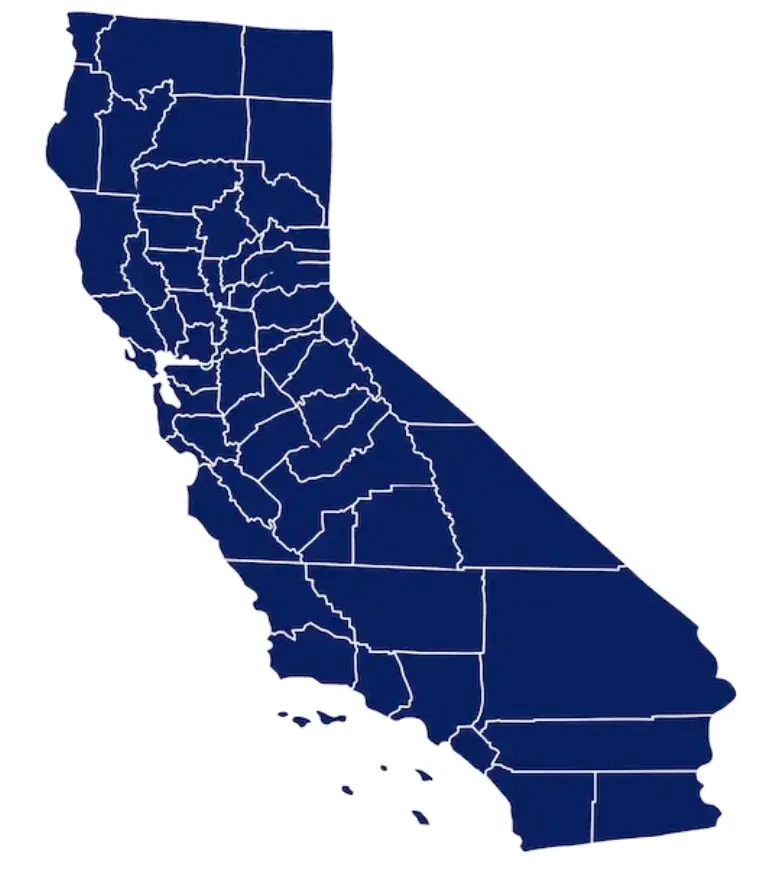
From San Francisco to San Diego and everywhere in between, we help businesses find the lowest electricity and gas rates. No matter where your business is, our experts will guide you to the best energy plans for your commercial & residential Business.
Cities We Serve Across California
| Category | Cities |
| Major Cities | Los Angeles, San Diego, San Jose, San Francisco, Fresno, Sacramento |
| Large Cities | Anaheim, Bakersfield, Oakland, Long Beach, Riverside, Stockton |
| Growing Cities | Irvine, Chula Vista, Fremont, Santa Clarita, Elk Grove, Corona |
| Industrial Hubs | Ontario, Fontana, Modesto, Visalia, Hayward, Concord |
| Coastal Cities | Santa Monica, Malibu, Oceanside, Carlsbad, Ventura, Santa Cruz |
| Tech & Business Cities | Palo Alto, Cupertino, Mountain View, Sunnyvale, San Mateo |
| Suburban Cities | Glendale, Burbank, Pasadena, Torrance, Downey, Norwalk |
| Inland Cities | San Bernardino, Moreno Valley, Hemet, Indio, Victorville |
| Small Cities | Adelanto, Alturas, Amador City, Biggs, Bishop, Blue Lake |
| Towns & Communities | Apple Valley, Atherton, Colma, Danville, Corte Madera |
Top 10 Cities of California by Population 2026
| Cities | Population (2026) | Annual Population Growth | Electricity & Gas Rates (Avg) | Annual Electricity Use (kWh/household) | Annual Natural Gas Use (therms/household) | Businesses (Level) |
| Los Angeles | 3,920,000 | 0.4% | High ($0.30/kWh, $1.70/therm) | 6,000 | 400 | Very High |
| San Diego | 1,420,000 | 0.8% | High ($0.29/kWh, $1.65/therm) | 6,200 | 380 | Very High |
| San Jose | 1,030,000 | 0.6% | High ($0.28/kWh, $1.60/therm) | 6,500 | 350 | Very High |
| San Francisco | 880,000 | 0.7% | Very High ($0.32/kWh, $1.75/therm) | 5,500 | 300 | Very High |
| Fresno | 560,000 | 1.1% | Medium ($0.24/kWh, $1.55/therm) | 7,200 | 420 | High |
| Sacramento | 540,000 | 1.0% | Medium ($0.23/kWh, $1.50/therm) | 7,000 | 410 | High |
| Long Beach | 470,000 | 0.5% | High ($0.27/kWh, $1.60/therm) | 6,300 | 390 | High |
| Oakland | 450,000 | 0.6% | High ($0.28/kWh, $1.65/therm) | 6,100 | 370 | High |
| Bakersfield | 420,000 | 1.3% | Medium ($0.22/kWh, $1.45/therm) | 7,800 | 450 | Medium |
| Anaheim | 360,000 | 0.9% | Medium ($0.25/kWh, $1.55/therm) | 6,800 | 400 | High |
Experience the Advantages of Working with Great Energy1
With years of experience, we have helped businesses from Commercial & Residential to control their overhead costs with energy brokerage solutions. Our energy broker experts handle the hard work and provide the best energy options to help your business save money and grow.
Tailored Energy Solutions
Get personalized electricity & gas recommendations and contracts for your business. It doesn’t matter what size your business is or what industry you are in, our solutions are made for you.
Affordable Gas & Electricity Rates
We use your energy usage information to find the best deals. Our supplier network helps you lock in the lowest gas & electricity rates.
Dedicated Account Management
Enjoy year-round support from an account manager who knows your business. We also help with contract renewals, so you can have peace of mind.
Low-Risk Energy Plans
Get long-term stability with predictable bills. This plan locks in your energy rates for the entire duration of your contract.
Capacity Passthrough
This plan gives you a fixed supply rate. Your utility passes through the capacity charges, so you get clear and transparent costs.
Blend & Extend
Reduce your energy cost and gain long-term stability. This plan lets you renegotiate and extend your current energy contract.
Strategic Energy Plans for Commercial & Residential Businesses
Strategic Energy Plans for your corporate and individual Businesses with multiple locations or complex energy use need a custom approach. Whether you want stable costs, flexible contracts, or clean energy options, Great Energy 1 can help you find the right solution.
Index Pricing
Link your energy rates to a public pricing index. This gives you clear pricing and opportunities to save from market changes.
Block & Index
Buy most of your energy in bulk at a fixed rate. Any extra energy you need can be purchased in more bulk blocks or at market rates.
Flip to Fixed
This contract starts with flexible, variable energy rates. You can switch to fixed rates when market conditions are favorable.
Key Factors Affecting Energy Prices in California
Energy prices in California are influenced by a combination of market conditions, regulatory policies, and infrastructure costs. Understanding these factors can help businesses make smarter energy decisions and better manage long-term expenses.
High Demand and Peak Usage
California has a large population and strong commercial activity, which leads to high energy demand. During peak hours, electricity prices increase significantly, especially under time-of-use (TOU) pricing structures.
Renewable Energy Policies
The state leads in clean energy adoption, including solar and wind power. While this supports sustainability goals, the cost of transitioning to renewable infrastructure can contribute to higher energy rates.
Wildfire Prevention and Grid Upgrades
Utility companies invest heavily in maintaining and upgrading infrastructure to prevent wildfires and ensure reliability. These costs are often passed on to consumers through higher utility bills.
Natural Gas Market Fluctuations
Natural gas prices impact electricity generation costs. Any changes in supply, storage levels, or seasonal demand can directly affect overall energy pricing.
Transmission and Distribution Costs
Delivering electricity across long distances and maintaining grid reliability adds to overall costs. These charges vary by utility provider and region.
Regulatory and Environmental Compliance
Strict state regulations and environmental programs require utilities to meet certain standards, which can increase operational costs and influence final energy prices.
California opened its energy market to competition in 1996. This lets businesses choose their own energy provider. Finding the best deal can be hard. Learn how deregulation works and how the right energy plan can save your business money over time.
1. What Is the Main Source of Energy?
Renewable energy makes up 57% of California’s total in-state energy production, while natural gas accounts for 35%. They lead the nation in solar energy and are the second-largest producer of hydroelectric power.
2. Why Are Energy Prices So High?
Energy prices are some of the highest in the country. This is because of clean energy rules and the cost of fixing infrastructure after wildfires. These costs are passed to consumers as higher energy rates.
3. What is Energy Upgrade?
Energy Upgrade is a statewide program that helps homes and businesses manage their energy use and costs. It offers incentives, rebates, and energy-saving tips to reduce the state’s environmental impact.
4. What Is California’s Low-Income Home Energy Assistance Program (LIHEAP)?
LIHEAP is a government program that helps low-income households pay for their energy. It gives residents financial support for utility bills, efficiency improvements, and emergencies.
5. What Does the California Public Utilities Commission (CPUC) Do?
The CPUC watches over the energy market to protect consumers. It sets fair utility rates, enforces clean energy rules, makes sure service is reliable, and helps resolve customer complaints.
6. How Can You Qualify for the Self-Generation Incentive Program (SGIP)?
Businesses can qualify for SGIP by installing renewable energy systems, such as solar panels or battery storage. The rebates you get depend on your system type, location, and local utility.

Smarter Energy Solutions for Every Industry
From small businesses to large companies, our experts work to understand your energy goals. We help you save more each month with an energy plan made for your needs and budget.

Warehouses
Lower gas & electricity costs, improve efficiency, and keep warehouse operations running smoothly with reliable power solutions.

Schools
Create a comfortable, cost-effective, and sustainable learning environment for students and staff with smart electricity & gas management.

Office Buildings
Reduce expenses, enhance workplace comfort, and support sustainability with gas & electricity-efficient solutions for office spaces.

Nursing Homes
Ensure safety, comfort, and reliable electricity & gas for nursing homes, keeping residents and staff at ease.

Shopping Centers
Save gas & electricity costs, improve lighting, and create a better shopping experience for businesses and customers.

Property Management
Optimize electricity & gas use, lower costs, and improve sustainability for residential and commercial properties.

Manufacturing Companies
Boost production efficiency, reduce gas & electricity costs, and keep manufacturing operations running without interruptions.
Key Smarter Energy Solutions
- Integration of Distributed Energy Resources (DER): This involves incorporating onsite renewable generation (solar, wind), battery storage systems, and electric vehicle (EV) charging infrastructure into the main energy system. An EMS helps manage and optimize these diverse sources, often storing energy during off-peak hours for use during peak times to avoid high demand charges.
- Smart Grids: These are electricity networks that use digital communication technology to detect and react to local changes in usage and generation in real-time, improving overall grid stability and reliability. This two-way flow of information allows for better balancing of supply and demand, especially with intermittent renewable sources.
- Energy Management Systems (EMS) & Platforms: Computer-based systems and cloud platforms monitor, control, measure, and optimize energy consumption within a facility or across multiple sites. They offer centralized dashboards for tracking KPIs, identifying inefficiencies, and generating actionable insights.
- Smart Metering & Advanced Metering Infrastructure (AMI): These replace manual meter readings with automated, real-time data collection for both gas and electricity. This ensures accurate billing, eliminates human error, and provides immediate visibility into consumption patterns for both utilities and consumers.
- Automation and Smart Controls: Automated controls adjust power distribution based on real-time demand, manage heating and cooling (HVAC) systems, and optimize lighting, reducing waste and ensuring consistent production in industrial settings.
- Predictive Maintenance & Safety Monitoring: By analyzing data from sensors and IoT devices, faults, anomalies, and potential gas leaks can be detected early, reducing downtime, maintenance costs, and safety risks in pipelines and equipment.
Answers to Common Questions
Frequently Asked Questions
Direct Access is California’s commercial & residential electricity choice program. It allows businesses to pick their preferred energy supplier while staying on the deregulated market. At the same time, the local utility continues to deliver the power and maintain all local infrastructure, so your service stays reliable.
A time-of-use (TOU) energy plan charges different electricity & gas rates depending on the time of day. Rates are highest during peak hours and lowest at night or on weekends. These plans help businesses save money by shifting energy use to off-peak times and support a more reliable electricity & gas grid.
As of November 2025, the average commercial & residential energy rate in California is 29.31¢ per kWh, which is 95% higher than the national average. Find the most affordable business energy plan in your area with help from the energy experts at Great Energy1.
The California Energy Commission (CEC) is the state’s agency for energy policy and planning. It develops renewable energy programs, sets energy efficiency standards, and funds research to support the transition to clean energy.
As of November 2025, the average commercial & residential natural gas rate is $16.15 per Mcf, which is 26% higher than the national average. Take control of your business’s natural gas costs by speaking with our experts today!
Energy rates are affected by natural gas prices and renewable energy rules. In recent years, more wildfires have also raised rates because the cost to repair energy infrastructure is usually passed on to consumers.
Hear What People Are Saying About Us
Testimonial

