
Energy Brokers in Alaska, USA
Home » Energy Brokers in Alaska, USA
Practical Energy Solutions for Alaska Businesses
Energy is one of the most important operating costs for businesses in Alaska. From fishing and seafood processing to oil and gas operations, healthcare facilities, and small retail businesses, reliable electricity and natural gas are essential for daily operations. Working with experienced energy brokers in Alaska helps businesses better understand their energy usage and find simple ways to manage costs.
Great Energy 1 supports companies by reviewing consumption patterns, explaining utility pricing, and identifying opportunities for long-term savings. Instead of dealing with complex bills and challenging conditions alone, businesses receive clear guidance and practical strategies designed to improve budgeting and cost control.
Get Quote
What Businesses Pay for Electricity in Alaska
As of 2025-2026, commercial electricity rates in Alaska typically range between 19.5¢ and 24.8¢ per kilowatt-hour (kWh). Electricity prices in Alaska are higher than the U.S. average. This is mainly due to remote geography, limited transmission infrastructure, and high generation and fuel transportation costs. Many communities are not connected to a large power grid. Instead, they rely on local power systems that use diesel, natural gas, hydroelectric power, or a mix of these sources. This isolation increases operational and fuel delivery costs.
Even with high base rates, electricity usage patterns vary widely. Cold winters significantly increase heating demand, especially in commercial buildings and remote operations. Energy-intensive industries such as fishing and resource extraction also contribute to higher consumption levels. Electricity service is regulated.
What Businesses Pay for Natural Gas in Alaska
As of 2025, commercial natural gas rates in Alaska generally range between $9.80 and $13.50 per Mcf. Alaska is one of the few states with significant natural gas production. However, transportation challenges and limited pipeline access in some regions can affect availability and pricing.
Natural gas is widely used for heating, industrial operations, and energy production. Demand increases significantly during long and harsh winter seasons. In some areas, infrastructure limitations mean businesses may rely more heavily on diesel or other heating fuels instead of natural gas. Because of remote conditions and transportation costs, pricing can vary depending on location and supply access.
Unlock Better Energy Rates in Alaska Today
Improve Your Energy Strategy in 3 Simple Steps
Great Energy 1 helps Alaska businesses simplify energy planning.
Share Your Business Details
Provide basic information such as your industry type, location, and energy usage.
Review Your Energy Insights
We analyze your consumption and explain your energy costs in clear, simple language.
Take Action with Confidence
Once you choose a solution, we manage the process and provide ongoing support.
Supporting Businesses Across Alaska
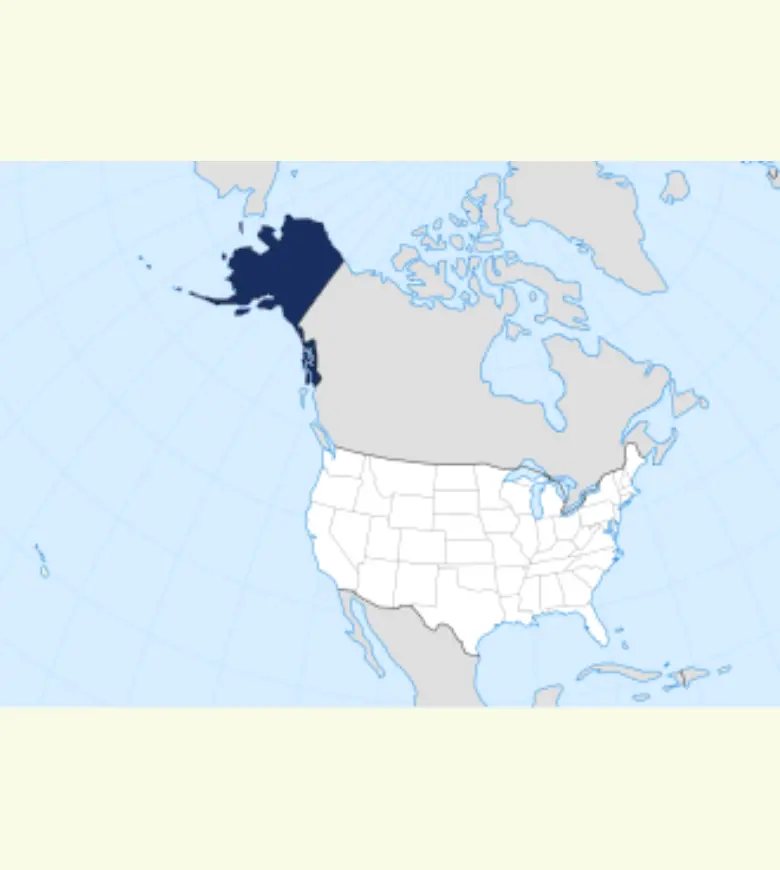
Alaska has a unique economy shaped by geography and natural resources. Key industries include oil and gas, fishing, seafood processing, transportation, tourism, healthcare, and government services. Energy needs vary widely. Remote facilities often rely on local power systems. Industrial operations require high energy input. Tourism businesses experience seasonal demand changes. Great Energy 1 supports businesses across Anchorage, Fairbanks, Juneau, and remote communities. Every solution is based on real usage and operational needs.
Smarter Energy Planning for Long-Term Savings
Energy costs are influenced by geography, fuel transportation, and extreme weather conditions. We help businesses understand where energy is being used and identify opportunities to improve efficiency. Even small improvements can help reduce long-term operating costs. With ongoing support, businesses can adapt strategies based on seasonal and regional changes.
Energy Cost Strategies for Alaska Businesses
Businesses in Alaska typically focus on stable budgeting or flexible energy management depending on their operations.
Stable Cost Approach
Some businesses prefer predictable monthly expenses. Fixed-style planning helps reduce uncertainty and supports financial stability. This approach is common in offices, schools, healthcare facilities, and small businesses.
Flexible Cost Approach
Other businesses prefer strategies that adjust to market conditions. This approach can offer savings opportunities but may include exposure to price changes. Large industrial and resource-based operations often use it.
Understanding Alaska’s Energy System
Alaska has a unique and decentralized energy system. Many regions are not connected to a statewide grid. Instead, local utilities and cooperatives manage generation and delivery.
Energy sources vary widely and include diesel generation, natural gas, hydroelectric power, and renewables, depending on the region. Because of geography and infrastructure limits, energy delivery costs are higher compared to most other states.
Ready to Reduce Your Energy Costs?

Industries We Support
Great Energy 1 works with many industries across Alaska. We help reduce electricity and natural gas costs while improving efficiency. We support fishing, oil and gas, healthcare, tourism, logistics, government facilities, and small businesses. Each solution is tailored to real operational needs.

Warehouses
Lower gas & electricity costs, improve efficiency, and keep warehouse operations running smoothly with reliable power solutions.

Schools
Create a comfortable, cost-effective, and sustainable learning environment for students and staff with smart electricity & gas management.

Office Buildings
Reduce expenses, enhance workplace comfort, and support sustainability with gas & electricity-efficient solutions for office spaces.

Nursing Homes
Ensure safety, comfort, and reliable electricity & gas for nursing homes, keeping residents and staff at ease.

Shopping Centers
Save gas & electricity costs, improve lighting, and create a better shopping experience for businesses and customers.

Property Management
Optimize electricity & gas use, lower costs, and improve sustainability for residential and commercial properties.

Manufacturing Companies
Boost production efficiency, reduce gas & electricity costs, and keep manufacturing operations running without interruptions.
Answers to Common Questions
Frequently Asked Questions
High transportation costs, remote infrastructure, and limited grid connectivity make electricity more expensive compared to most states.
No. Many regions operate independent local power systems instead of a single statewide grid.
Diesel, natural gas, and hydroelectric power are the most common sources, depending on the region.
Long and extremely cold winters significantly increase heating demand across commercial and residential buildings.
Availability varies by region. Some areas have strong access, while others rely on alternative fuels due to infrastructure limits.
Remote regions face higher fuel transportation and infrastructure costs, which increases overall energy pricing.
Hear What People Are Saying About Us
Testimonial

