
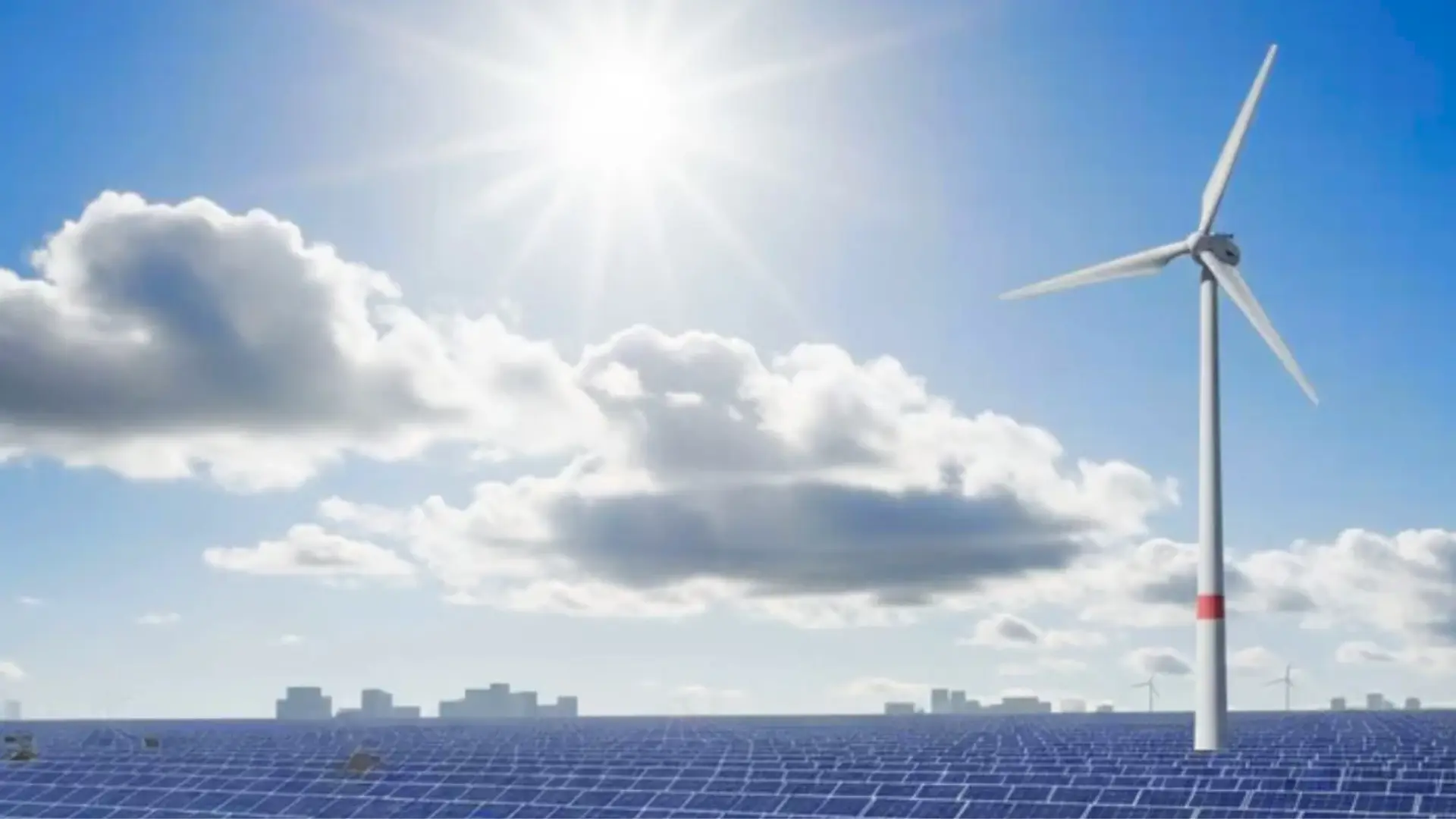
Renewable energy technologies are changing how businesses manage their energy needs. Advances in solar, wind, energy storage, and smart grid systems give organizations more options to use cleaner energy. Many companies are adding renewable energy to reduce costs, improve energy reliability, and support sustainability goals.
The right strategy depends on a company’s energy usage, location, budget, and long term plans. As the energy industry moves toward lower carbon solutions, technology continues to make renewable energy more accessible. Businesses can now use solutions like solar power, wind energy, battery storage, smart grids, and power to gas systems.
This article explains the latest renewable energy technologies and how businesses can include them in their energy strategies. We will explore how these solutions work and how they can help companies improve efficiency, manage energy costs, and reduce emissions.
Key Renewable Energy Technologies Shaping the Future
Renewable energy technologies are improving how electricity is produced, stored, and managed. Businesses are using new solutions to reduce energy costs, improve reliability, and support their sustainability goals.
Technologies such as solar power, wind energy, battery storage, smart grids, and power to gas are helping create a more flexible energy system. These solutions allow organizations to use cleaner energy while improving control over their energy consumption. As renewable energy adoption grows, these technologies will continue to play an important role in modern energy strategies.
Also Read:
Understanding Power Purchase Agreements for Renewable Energy
Solar Energy Advancements
Solar energy is expected to become the largest source of new electricity generation by 2050. The EIA also estimates that solar will account for 51% of all renewable electricity generation by 2025.
Several factors are driving this growth. Solar panels now produce more electricity with better efficiency. New regulations also make it easier to connect solar systems to the electric grid. At the same time more homes businesses and industrial facilities are installing on site solar systems to lower energy costs and improve energy reliability.
Wind Energy’s Role in Renewable Power Generation
Wind energy plays an important role in electricity generation around the world. Onshore and offshore wind projects continue to expand and increase the supply of renewable energy.

On-site wind systems also help homes businesses and industrial facilities reduce electricity costs and lower carbon emissions. Wind energy still depends on weather conditions which can affect power generation. This creates challenges when adding more wind power to the electric grid and maintaining a stable electricity supply.
Energy Storage Solutions for Renewable Integration
Energy storage systems help keep the electric grid stable and reliable. Batteries store extra electricity for later use and provide power when demand increases. They also help maintain a steady power supply across the grid. Common battery technologies include lithium ion solid state and redox flow batteries.
New policies now allow battery systems to take part in wholesale electricity markets and support grid services. For homes businesses and industrial facilities energy storage systems help reduce peak electricity demand and improve the use of renewable energy. This lowers energy costs and increases energy reliability.
Also Read:
How To Reduce Energy Costs At Your Business in 2026?
Smart Grids and Grid Modernization
Growing electricity demand and energy security concerns are driving the need for a more modern electric grid. Smart grids offer a reliable solution for rural communities and large industrial facilities. These systems use IoT sensors building automation distributed energy resources and AI based analytics to improve grid performance.
They can also operate as independent microgrids that support local electricity needs.Smart grids make it easier to use renewable energy such as solar. They also reduce the need for complex grid connection approvals in many local energy applications.
Power-to-Gas (PtG) Technology for Long Duration Energy Storage
Power to Gas technology converts extra electricity from renewable sources into hydrogen or methane. It uses a process called electrolysis to split water into hydrogen and oxygen using surplus electricity. The hydrogen can be stored for later use or used as a clean fuel. It can also combine with carbon dioxide to produce synthetic methane.
This technology supports long term energy storage and helps reduce wasted renewable electricity. It also has applications in industrial heating and combined heat and power systems. Power to Gas can improve energy efficiency and support better integration of electricity and heat.
Also Read:
How Power-to-Gas Converts Renewable Energy into Clean Gas Fuels
Trends and Market Momentum
Electricity demand continues to grow which is driving more investment in renewable energy. Grid operators use forecasting tools such as load duration curves to predict electricity demand and improve system planning.

Renewable energy now plays a larger role in meeting daily electricity needs. Tax incentives and renewable energy credits also encourage homes businesses and industrial facilities to install on site energy systems. These investments reduce demand on the central electric grid.
The rapid growth of data centers is increasing the need for new power generation. At the same time utilities and grid operators continue to face challenges when adding modern energy technologies to aging electricity infrastructure.
Also Read:
Tips To Reduce Your Electricity Bill
How Businesses Can Build a Renewable Energy Strategy
Businesses need a clear plan to reduce energy costs and improve long term energy performance. The first step is to review current energy use and identify areas where renewable energy can provide the most value. After the assessment businesses can compare options such as solar wind energy storage or combined energy systems. The right solution depends on energy demand available space budget and business goals.
Companies should also review available tax incentives grants and renewable energy programs before making an investment. These incentives can lower project costs and improve the return on investment. Tracking energy performance is equally important. Businesses should monitor electricity use system performance and cost savings to measure results and identify new opportunities for improvement. A well planned renewable energy strategy helps reduce operating costs improve energy reliability and support long term business growth.
Ready to Learn More?
The energy market continues to change as new technologies and regulations shape the future of electricity. Staying informed helps businesses make better decisions and prepare for changing energy needs.
A trusted energy broker can help you evaluate new technologies and build a strategy that fits your facility and business goals. The right approach can reduce energy costs improve reliability and support long term growth. Contact our energy experts team to learn more about renewable energy solutions and find the best strategy for your business.