
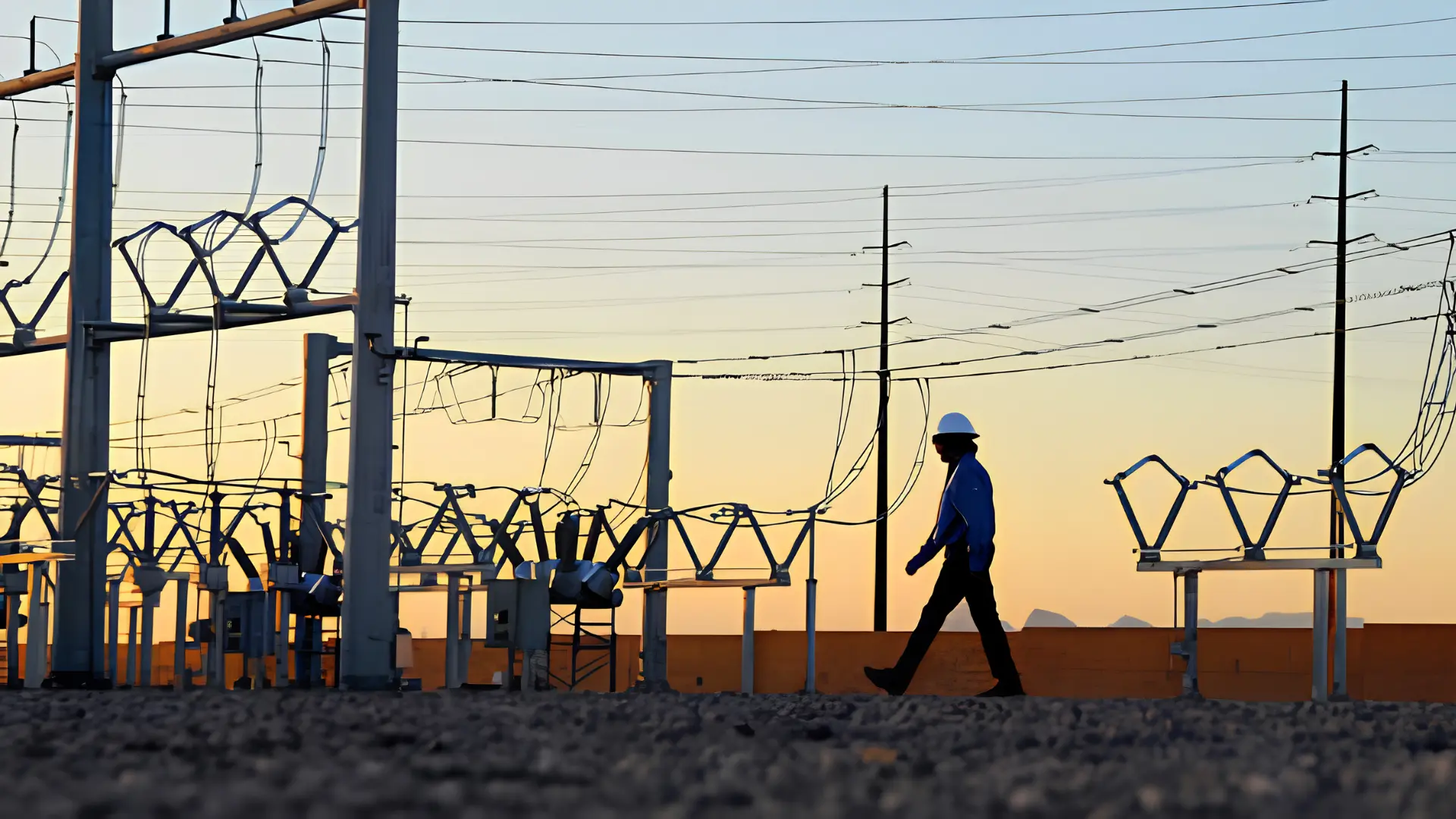
U.S. electric grids bring together power plants, transmission lines and local distribution systems. These systems bring electricity to households and businesses around the country. A key part of this process is wheeling power. This is electricity sent through a third party’s transmission or distribution network.
Wheeling is an essential link for utilities, power generators and energy merchants to transmit electricity across areas. This is subject on the available transmission capacity and permitted market arrangements. It can connect places with excess electricity to those with more demand. It also provides other supply choices when local generation is tight.
Understanding wheeling power is needed to further explain the movement of electricity across markets and the role of transmission costs in energy transactions. This page explains how the process works, the charges involved, and the function it plays in U.S. electricity markets.
What Is Wheeling Power and How Does It Work?
Wheeling power is electricity transmitted over a network owned and/or operated by another. It lets power generated in one place to go to a customer in another utility’s service region. Such transactions could cross state lines as well. Access is provided by transmission owners and utility companies under approved agreements and applicable market rules.
It begins at a power plant. This might be a conventional power plant, wind farm or solar power plant. Then, electricity passes along high-voltage transmission lines and integrated grid networks. Finally this reaches the receiving utility or the client.
Independent System Operators (ISOs) and Regional Transmission Organisations (RTOs) are responsible for the operation of the energy markets and coordination of transmission services in the regions they serve. They could be responsible for grid capacity management, scheduling of electricity transfer, and ensuring reliable grid operation. The actual set-up differs depending on the geographical market structure.
Electricity flows according to transmission agreements and market rules. These parameters include available capacity, scheduling requirements, transmission charges and electrical losses. Wheeling offers the possibility of access to electricity from various sources. But each transfer is subject to grid capacity constraints, reliability standards and applicable rules.
Also Read:
Understanding Capacity Charges and Their Implications for Businesses
The Costs of Wheeling Power
When electricity is transmitted on someone else’s network, charges can be incurred. These charges relate to the utilisation of transmission or distribution infrastructure They recoup the expense of providing energy distribution services. These fees might be collected by transmission owners, utilities or regional grid operators, depending on the arrangement.
The amount depends on location and transmission service agreement. Applicable tariffs and market rules also affect the ultimate price. The rules for regulated and deregulated energy markets apply to transmission services. But the costs of these services can vary from place to place.
Factors Influencing Wheeling Charges
Several factors affect the cost of wheeling electricity. The transmission service rate is one important factor. The amount of transmission capacity reserved or used can also change the total charge. Longer transmission paths may result in greater electricity losses, but charges do not always increase with distance.
Grid congestion can also raise the cost of delivering electricity. Congestion occurs when the demand for transmission capacity exceeds what a part of the grid can safely accommodate. In some electricity markets, congestion charges reflect the cost of moving power across these restricted areas.
Transmission agreements can further affect the total expense. The terms set by transmission providers, utilities, generators, and electricity buyers determine how certain costs are allocated. The final amount depends on the service arrangement and the conditions of the grid.
Also Read:
What are Electricity Congestion Charges and How They Affect Energy Costs?
Calculating Wheeling Charges
Wheeling charges are calculated under the applicable transmission tariff, market rules, and service agreement. Some fees depend on the amount of transmission capacity reserved. Others are based on electricity use or specific pricing methods set by the transmission provider.
The total cost may include transmission service fees, congestion charges, and the cost of electricity lost during delivery. Additional network and administrative charges may also apply. Each component depends on the transmission arrangement and the market involved.
Independent System Operators (ISOs) and Regional Transmission Organizations (RTOs) administer transmission services and market rules within their respective regions. However, they do not all use the same pricing methods. The applicable tariff and service agreement determine how wheeling charges are calculated for a particular transaction.
Energy Trading and Power Wheeling
Power wheeling enables energy trade by enabling electricity to flow between regions via interconnected transmission networks. This procedure can be used by generators, suppliers and energy dealers to transfer electricity from areas of surplus supply to places where demand is higher.
For example, an energy trader might buy electricity from a wind farm with generation capacity available. The trader can then make arrangements to sell that power in another market where the price is higher. The transaction shall include the purchase price, transmission charges, congestion charges and other applicable fees. The selling price should be high enough to pay the costs and leave a margin of profit.
However, a price differential is not necessarily a lucrative deal. Transfer may be limited by available transfer capacity, market rules and scheduling needs. Traders also have to deal with the danger of shifting electricity prices and other market hazards.
Wheeling can deliver renewable energy to users outside of where it is generated. Wind and solar farms are usually located away from large cities and industrial centers. Access to the transmission network enables them move their electricity to distant markets for utilisation.
Retail suppliers serving residential and commercial clients may also organise the selling of electricity by energy traders. This will allow purchasers to tap into a broader range of generation sources for electricity. It could also lead to competition among providers and increase the choices for buyers.
Also Read:
Future Technologies That Will Shape the Electricity Market
The entire benefits depend on the transmission capacity and market circumstances and costs of delivery. Wheeling doesn’t automatically mean reduced electricity rates or a more efficient system. Its value is in effecting transfers of electricity that are technically viable and economically desirable.
Conclusion
Wheeling power helps move electricity across regions and supports energy trading in the U.S. electricity market. However, transmission capacity, wheeling charges, and grid congestion affect its cost and availability. Understanding these factors helps utilities, generators, and energy traders make informed decisions.