
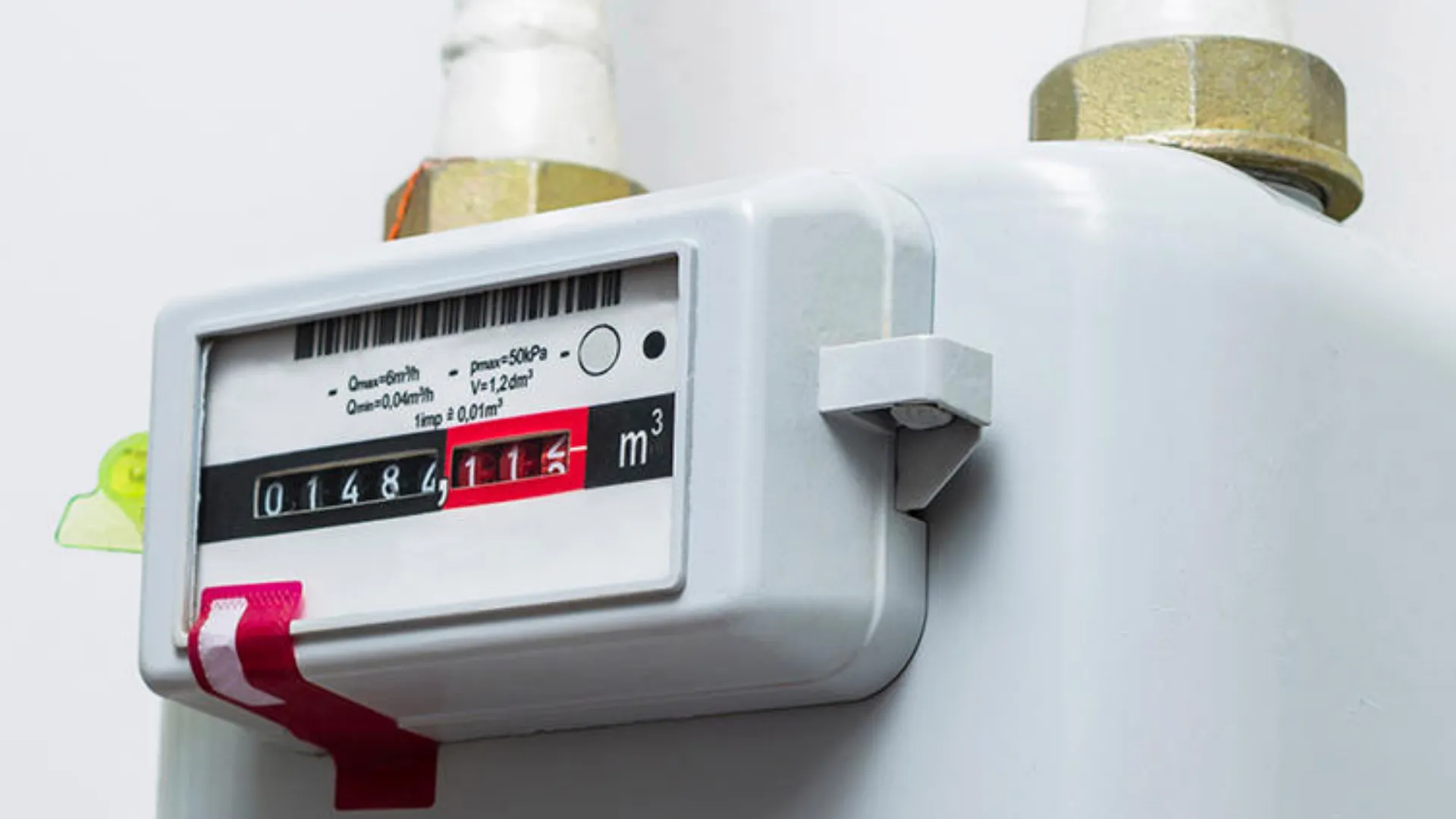
Start by finding your gas or electric meter, typically located on an outside wall or in a utility room. Analog meters show energy usage through a series of dials that are read from left to right, while digital and smart meters display the reading directly on the screen.
Understanding how to read your business’s gas and electric meters can help you monitor energy consumption, check billing accuracy, and identify opportunities to reduce energy use and costs.
Why Should Your Business Read Its Utility Meters?
Regular metre readings allow you to track the amount of energy your organisation utilises. They also make it easier to examine the accuracy of your monthly utility bills. You may discover billing problems or unexpected variations in usage by comparing your energy bill to your metre reading. A spike in energy consumption can mean your HVAC system is inefficient, equipment is ageing, or there’s another problem in your property.
Tracking utility meter readings each month can also show seasonal energy patterns. This information helps your business estimate future energy costs and create a more accurate budget.
Smart meters make energy tracking easier, but they should still be checked from time to time. A quick review can confirm that readings are being recorded and transmitted correctly. It can also help prevent incorrect usage data from affecting your monthly bills.
Also Read:
Utility Consolidated Billing vs. Dual Billing: How Energy Billing Works
Common Types of Electric and Gas Meters
Businesses may have different meter types, especially when they use both electricity and natural gas. Knowing which type is installed on your property makes the meter reading process easier.
Analog Meters
Analog meters use numbered dials and rotating pointers to measure energy usage. These meters are becoming less common as utility companies move toward newer technology. However, many older commercial buildings still use analog meters.
Digital Meters
Digital meters show energy usage as a clear row of numbers on a screen. Electric meters usually record usage in kilowatt-hours. Natural gas meters often measure usage in cubic feet, making the reading easy to record.
Smart Meters
Smart meters have a digital display but offer more advanced features. They can send usage data directly to the utility company, which reduces the need for manual meter readings. Smart meter data can also provide a clearer view of energy usage patterns over time.
Gas Meters vs. Electric Meters: What’s the Difference?
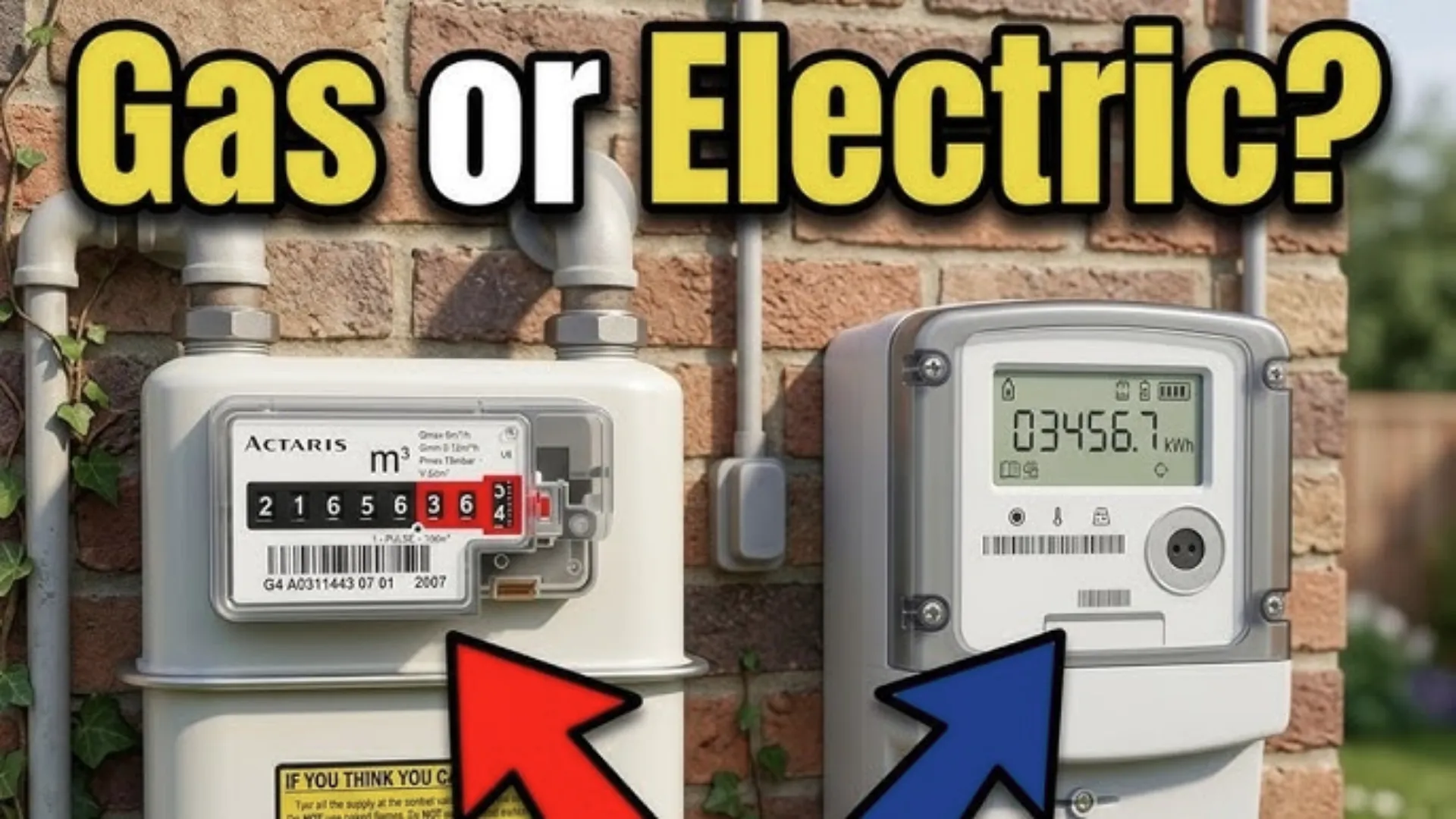
Gas meters and electric meters both track energy use, but they measure different types of consumption. Their location, units and display style can also vary based on the meter type.
Natural Gas Meter Features
- Measures gas usage in CCF or MCF. Natural gas meters commonly record consumption in hundred cubic feet (CCF) or thousand cubic feet (MCF). These units show how much gas your business has used.
- Uses dials or a digital display. Older gas meters may have a row of numbered dials. Newer models often use a digital screen that makes the reading easier to record.
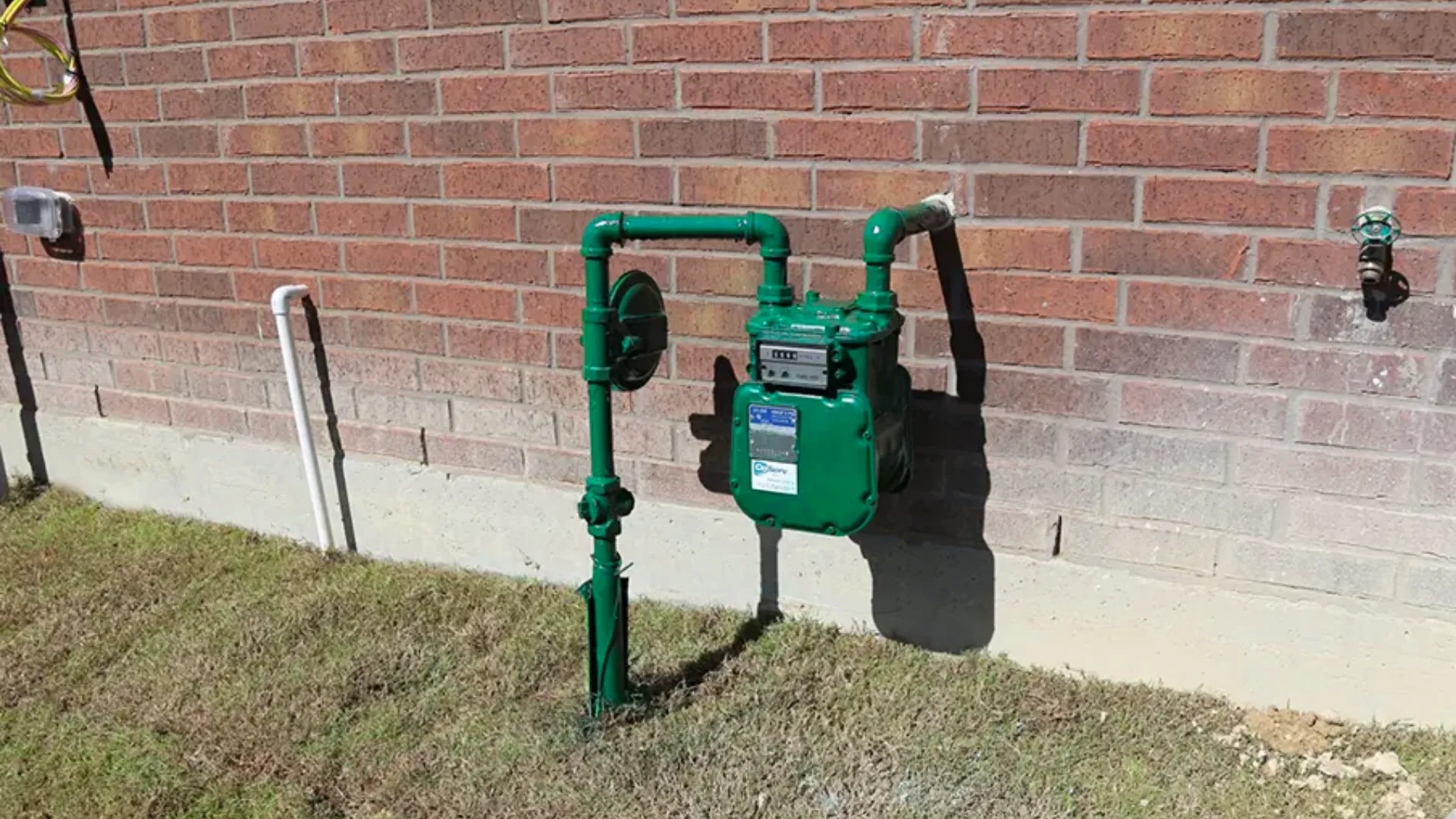
- Usually sits near the gas supply line. A natural gas meter is often installed outside the building. It is commonly found near the foundation or on an exterior wall.
- May have a shut-off valve nearby. Many gas meter setups include a valve that controls the gas supply. This valve is mainly used during maintenance or an emergency.
Electric Meter Features
- Measures electricity in kilowatt-hours. Electric meters record energy consumption in kilowatt-hours (kWh). This reading is used by the utility company to calculate electricity usage.
- May use dials or a digital screen. Traditional electric meters often have several numbered dials. Digital meters show the reading directly on a screen.
- Usually mounts on an exterior wall. An electric meter is often installed near the electrical panel or service entrance. Its exact location can vary by building design.
- Smart meters may show several readings. A smart electric meter can cycle through different data on its display. This may include electricity usage and other meter information.
Also Read:
Utility Revenue Decoupling Explained: Pros, Cons, and Impact on Energy Bills
How to Read an Electricity Meter
Electricity use is measured in kilowatt-hours (kWh). One kilowatt-hour equals 1,000 watts of electricity used for one hour. Electric meters record usage in kWh, which is also the unit commonly used on electricity bills.
How to Read a Traditional Electricity Meter
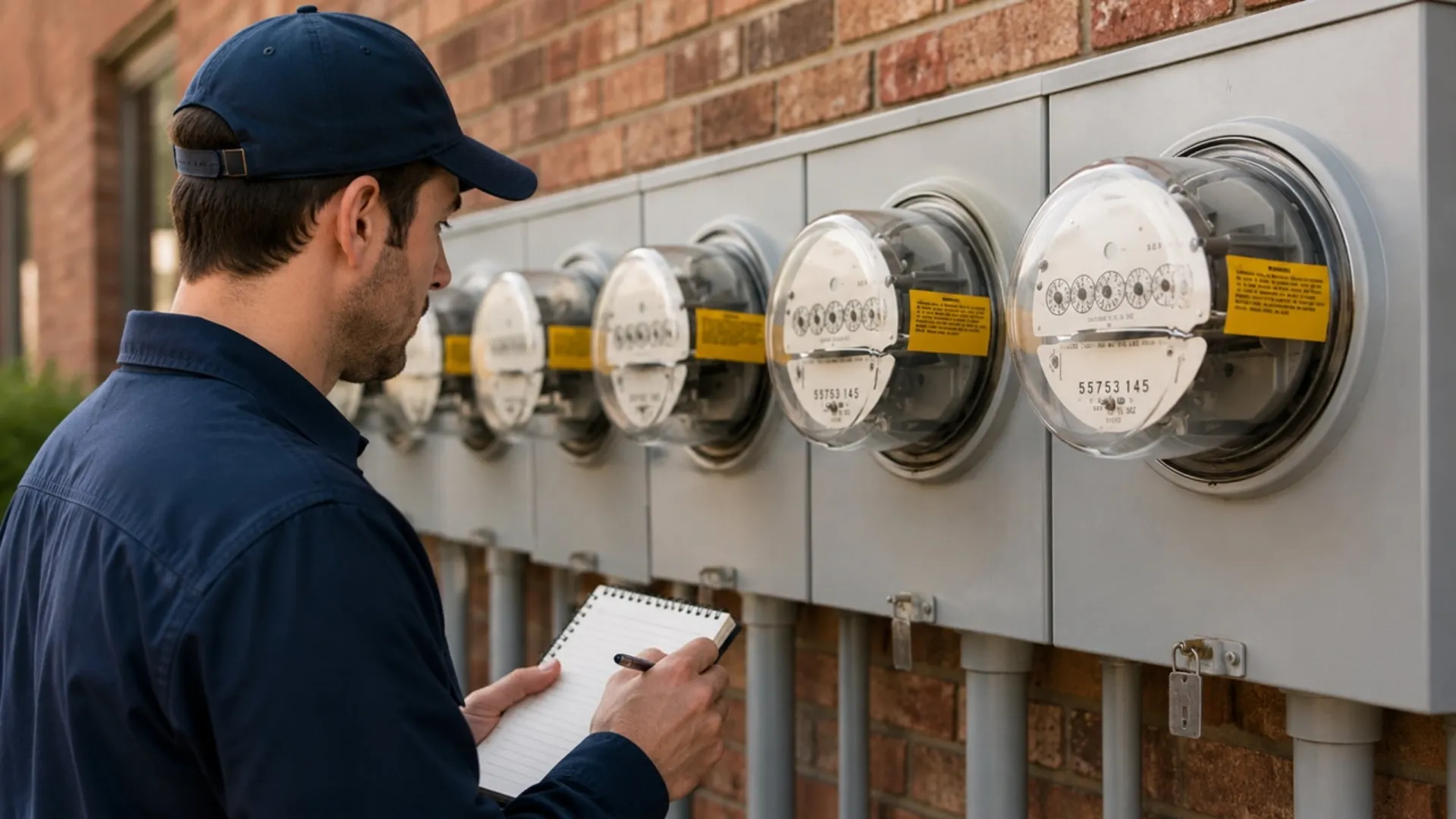
Older electric metres utilise numerous numbered dials to indicate the electricity being used. Each dial is numbered 0 to 9. The pointers frequently change direction between clockwise and anticlockwise.
Read the dials left to right. If there is a pointer between 2 numbers, write down the lower number. If it’s between 9 and 0, write 9. If the pointer is on a number, look at the dial to the right of it. If that pointer has not passed zero, then use the lower value for the dial you are reading.
The number shown on an electricity metre is normally a cumulative sum. It does not represent only current month usage. The power usage for a billing period is determined by subtracting the previous metre reading from the present reading.
How to Read a Digital Electric Meter or Smart Meter
Digital electric meters show electricity usage as numbers on a screen. In most cases, the display shows total electricity consumption in kilowatt-hours. Smart meters work in a similar way but can send usage information automatically. This allows energy consumption data to be recorded without a manual meter reading.
Some smart meter displays cycle through several types of information. Look for the screen that shows total kWh usage when recording your reading. The reading is usually cumulative. To find usage for a specific period, subtract an earlier reading from the latest one.
How to Read a Gas Meter
Natural gas meters commonly measure usage in cubic feet. The reading may be shown in hundreds of cubic feet (CCF) or thousands of cubic feet (MCF). Some gas usage may also be listed in therms on utility bills.
How to Read a Traditional Gas Meter
Traditional gas meters often use a series of numbered dials. Read these dials from left to right. If a pointer falls between two numbers, record the lower number. When the pointer is between 9 and 0, record 9. If a pointer sits directly on a number, check the dial to its right.
If the next dial has not passed zero, record one number lower for the dial you are reading. A gas meter reading is also a running total. To calculate gas usage for a billing period, subtract the previous reading from the current reading.
Where Are Commercial Electric and Gas Meters Located?
In a single-tenant building, the electric and gas metres are generally located on an exterior wall on the side or rear. Some metres may also be installed within the structure, in a mechanical room, service room, basement, loading area, or utility closet.
In multi-tenant buildings, a lot of metres might be aggregated in one place. These metre banks are typically located on an outside wall or in a common utility space.
Units or suite numbers are generally seen on each metre. If the labels aren’t there or aren’t obvious, call your landlord or property management organisation to establish which metre is your business.
Tips for Accurate Meter Readings
Meter reading errors can affect your energy records and monthly budget. These simple habits can help keep your readings accurate and consistent.
- Clean the meter display: Dust or dirt can make the numbers difficult to read. Wipe the screen carefully before recording the reading to reduce the chance of an error.
- Check the meter serial number: Confirm that the serial number matches the meter assigned to your business. This is especially important in buildings where several meters are installed together.
- Use the lower number between two digits: If an analog meter pointer sits between two numbers, record the lower number. If the pointer is between 9 and 0, record 9.
- Record the date with every reading: Write down the date each time you check the meter. Recording readings on the same day each month can make usage comparisons more accurate.
- Take a photo of the meter: Capture a clear photo after recording the reading. It gives you a visual backup and makes it easier to verify the number later.
Also Read:
How to Detect and Avoid Hidden Utility Charges in Your Business
How Do Meter Readings Affect Your Energy Bill?
Utility companies use the data from your metres to work out how much energy your business has consumed in each billing period. This usage is then applied to calculate your monthly energy bill.
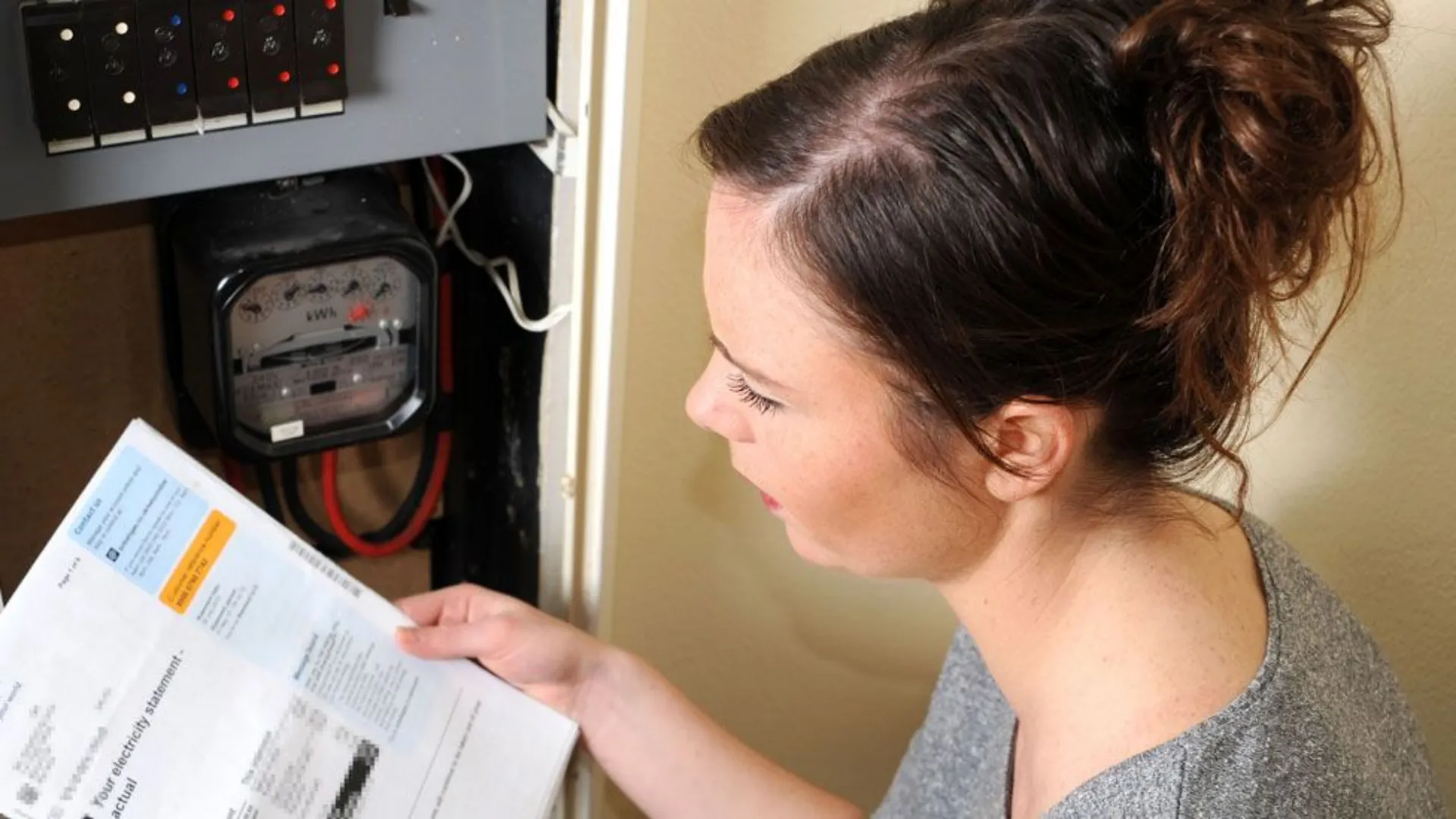
If your utility cannot read the metre because of weather or access problems, it may estimate your usage using previous data. Keep your own metre records so that you may compare the estimate to the actual usage. This information can also be used to validate a billing adjustment if the projected amount is inaccurate.
Manage Energy Costs With Regular Meter Readings
Regular meter readings can help your business monitor energy use and catch billing issues early. Before each billing cycle:
- Identify your meter type: Check whether your gas and electric meters are analog, digital or smart. Knowing the type makes the reading process easier.
- Confirm the meter location: Make sure you know where each meter is installed. This saves time and helps you check readings consistently.
- Record each meter reading: Keep a dated record of your monthly readings. This makes it easier to compare usage and identify unusual changes.
- Contact your utility if needed: Report incorrect readings, billing differences or meter problems as soon as possible. This can help prevent issues from carrying into future bills.
Take Control of Your Business Energy Usage
Regular meter readings give your business a clearer view of energy use and monthly costs. They can help you spot unusual usage, check billing accuracy and plan your budget with more confidence.
Start by identifying your meter type and recording readings each month. If you notice a sudden increase or billing difference, contact your utility provider and review the issue early. A simple tracking routine can make energy management much easier.