
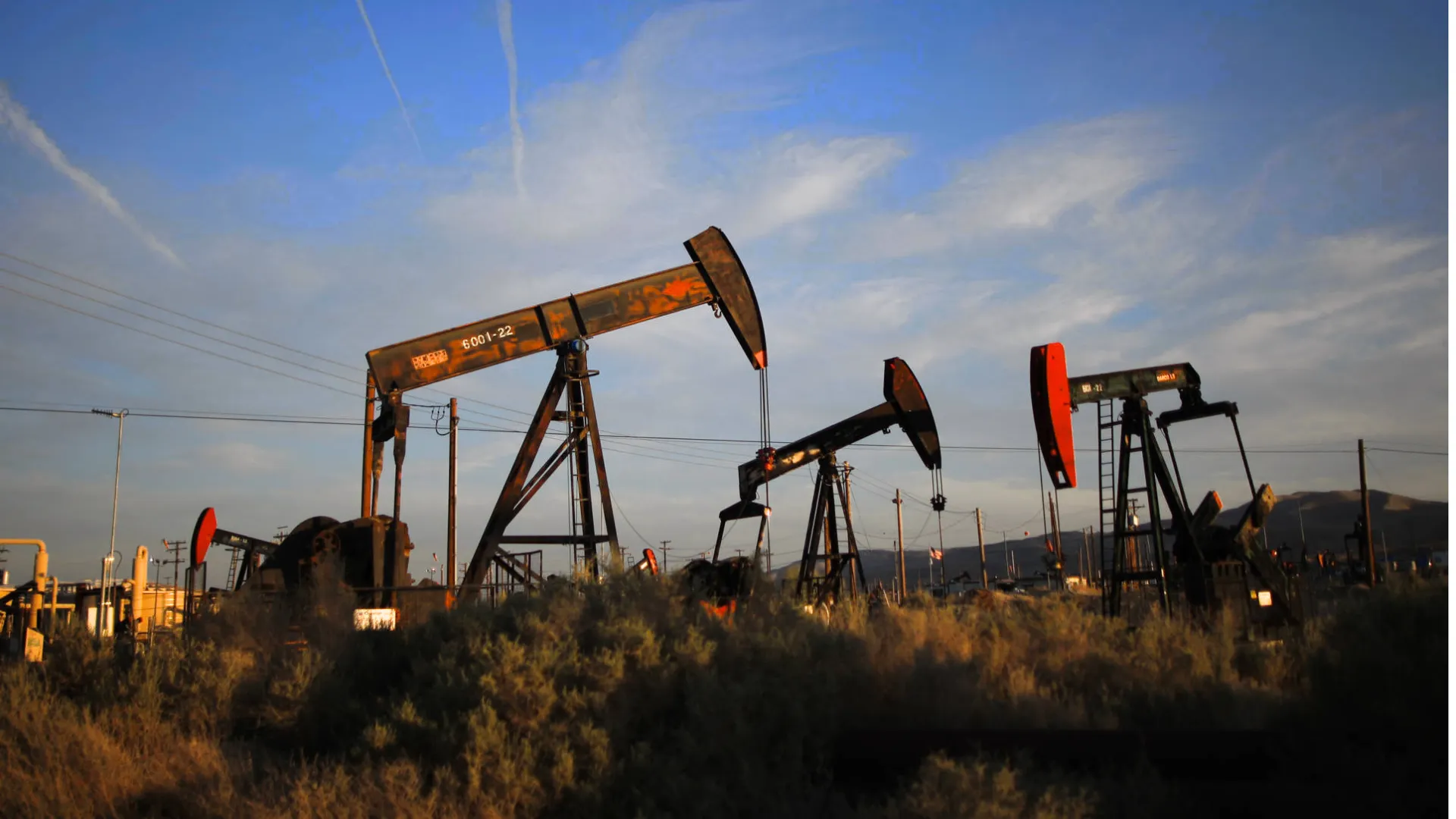
Hydraulic fracturing, commonly known as fracking, has changed how the United States produces oil and natural gas. The technology has helped unlock fuel reserves that were once difficult or too costly to access. It has increased domestic energy production and influenced energy supply, demand, and prices.
Fracking has also affected the broader energy economy by changing production patterns and supporting growth in oil and natural gas markets. At the same time, the technology has raised concerns about water use, emissions, groundwater protection, and other environmental effects.
This article explains how fracking works, why it became important to the energy industry, and how it has affected energy production, prices, the economy, and the environment.
What Is Fracking?
Oil and natural gas formed from organic matter that was buried and transformed over millions of years. These fossil fuels can become trapped in rock formations deep below the Earth’s surface. Before hydraulic fracturing became widely used, oil and gas companies mainly relied on conventional drilling methods to reach underground reserves. Some common techniques included:
- Vertical Drilling: This method involves drilling straight down to reach oil or natural gas deposits. It works well when fuel can move through permeable rock and flow naturally into the well.
- Water Flooding: In some oil fields, operators inject water into underground formations to increase pressure and push oil toward producing wells. This method is mainly used to improve oil recovery from existing fields.
- Acidizing: This technique involves injecting acid into certain rock formations to dissolve minerals and create or enlarge pathways. These pathways can help oil or gas flow toward the well.
- Nitrogen Injection: Operators can inject nitrogen into some reservoirs to increase pressure and improve the movement of oil or gas toward production wells.
- Conventional Rotary Drilling: Rotary drilling uses a rotating drill bit to create wells through layers of rock. It remains a basic part of oil and gas production and is also used when drilling wells for hydraulic fracturing.
- Exploration Techniques: Before modern seismic imaging became widely available, companies relied more heavily on geological surveys and other exploration methods to locate underground oil and gas deposits. These limitations could make exploration more difficult and costly.
The development of hydraulic fracturing marked an important change in oil and gas production. When combined with horizontal drilling, fracking made it possible to produce oil and natural gas from shale and other tight rock formations that were previously difficult or uneconomical to develop.
The process works by creating small fractures in underground rock and allowing trapped oil or natural gas to flow toward the well. The sections below explain how hydraulic fracturing works and why it became such an important technology in the energy industry.
Also Read:
Fossil Fuel Power: Advantages, Disadvantages, and Future Outlook
Accessing Shale Formations
Fracking is mainly used to produce oil and natural gas trapped in shale and other low permeability rock formations. Shale is a type of sedimentary rock that can contain large amounts of oil and gas. However, its low permeability makes it difficult for these fuels to flow naturally into a well. Traditional drilling methods were often not economical for producing these resources on a large scale.
The Fracking Process
The fracking process starts with drilling a well to reach the target rock formation. Modern wells often combine vertical drilling with horizontal drilling to reach more of the formation. Once the well reaches the target area, operators pump a high pressure mixture of water, sand, and small amounts of other additives into the well.
The pressure creates small fractures in the surrounding rock. These fractures provide pathways that allow trapped oil or natural gas to move toward the well. Operators then bring the produced oil or gas to the surface for processing and distribution.
Role of Sand and Fracking Proppants
Sand and other materials called proppants play an important role in hydraulic fracturing. Operators add these materials to the fracturing fluid and carry them into the newly created fractures.
After the pressure is reduced, the fractures can begin to close. The proppants help keep these pathways open so oil and natural gas can continue flowing toward the well. This allows producers to recover more resources from tight rock formations.
Horizontal Drilling and Multi Stage Fracking
Modern fracking often combines horizontal drilling with multi stage hydraulic fracturing. After the well reaches the target depth, drilling continues horizontally through the shale formation. Operators then divide the horizontal section into multiple stages and fracture each section separately.
This approach allows producers to contact a larger area of the rock formation from a single well. It can improve production and make it more practical to develop extensive shale resources.
Revolutionizing Oil and Gas Production
The combination of horizontal drilling and hydraulic fracturing has changed oil and natural gas production in the United States. These technologies made it possible to develop shale resources that were previously difficult or uneconomical to produce.
The growth of shale production contributed to major increases in U.S. oil and natural gas output. Areas such as the Marcellus Shale became important sources of natural gas production. Higher domestic production has also influenced energy supply, market competition, and prices, although factors such as demand, storage levels, weather, infrastructure, and global market conditions also affect energy prices.
Major U.S. Shale Plays
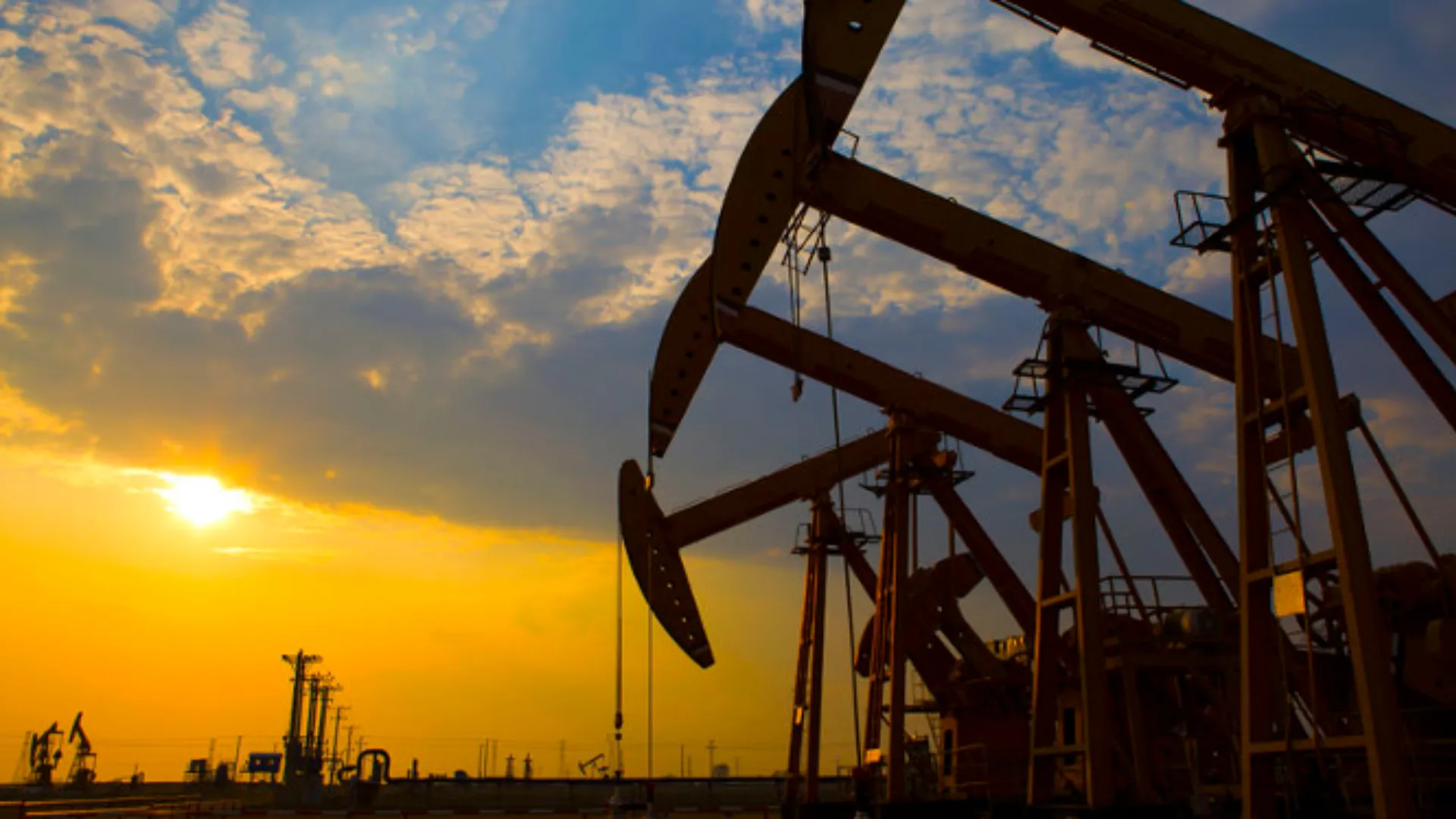
Fracking has expanded oil and natural gas production across several major shale formations in the United States. These formations contain large amounts of hydrocarbons trapped in low permeability rock. Advances in horizontal drilling and hydraulic fracturing have made many of these resources more practical to develop. Some of the most important U.S. shale plays include:
Shale Play | Main Resources | Location |
Permian Basin | Oil and natural gas | Texas and New Mexico |
Marcellus Shale | Natural gas | Pennsylvania, West Virginia, Ohio, and New York |
Haynesville Shale | Natural gas | Louisiana and East Texas |
Eagle Ford Shale | Oil and natural gas | South Texas |
Bakken Formation | Oil and natural gas | North Dakota and Montana |
Permian Basin
The Permian Basin is one of the most important oil and natural gas producing regions in the United States. It covers large areas of West Texas and southeastern New Mexico. Improvements in horizontal drilling and hydraulic fracturing have helped producers recover oil and natural gas from multiple formations within the basin.
Marcellus Shale
The Marcellus Shale is one of the largest natural gas producing formations in the United States. It extends across parts of the Appalachian region, with significant production concentrated in Pennsylvania and West Virginia. Its development has increased natural gas supplies in the Northeast and supported regional energy markets.
Haynesville Shale
The Haynesville Shale is a major natural gas formation located mainly in Louisiana and East Texas. Its proximity to pipelines and Gulf Coast markets has helped make the region important for natural gas production and supply.
Eagle Ford Shale
The Eagle Ford Shale is located in South Texas and contains both oil and natural gas resources. The formation became an important part of the U.S. shale boom as producers developed improved drilling and completion techniques.
Bakken Formation
The Bakken Formation covers parts of North Dakota and Montana and extends into Canada. It became a major source of U.S. oil production as horizontal drilling and hydraulic fracturing allowed producers to access oil trapped in tight rock.
Together, these shale plays have played an important role in the growth of U.S. oil and natural gas production. Their development has also affected pipeline infrastructure, regional energy supply, employment, investment, and energy markets across the country.
Fracking: Key Pros and Cons at a Glance
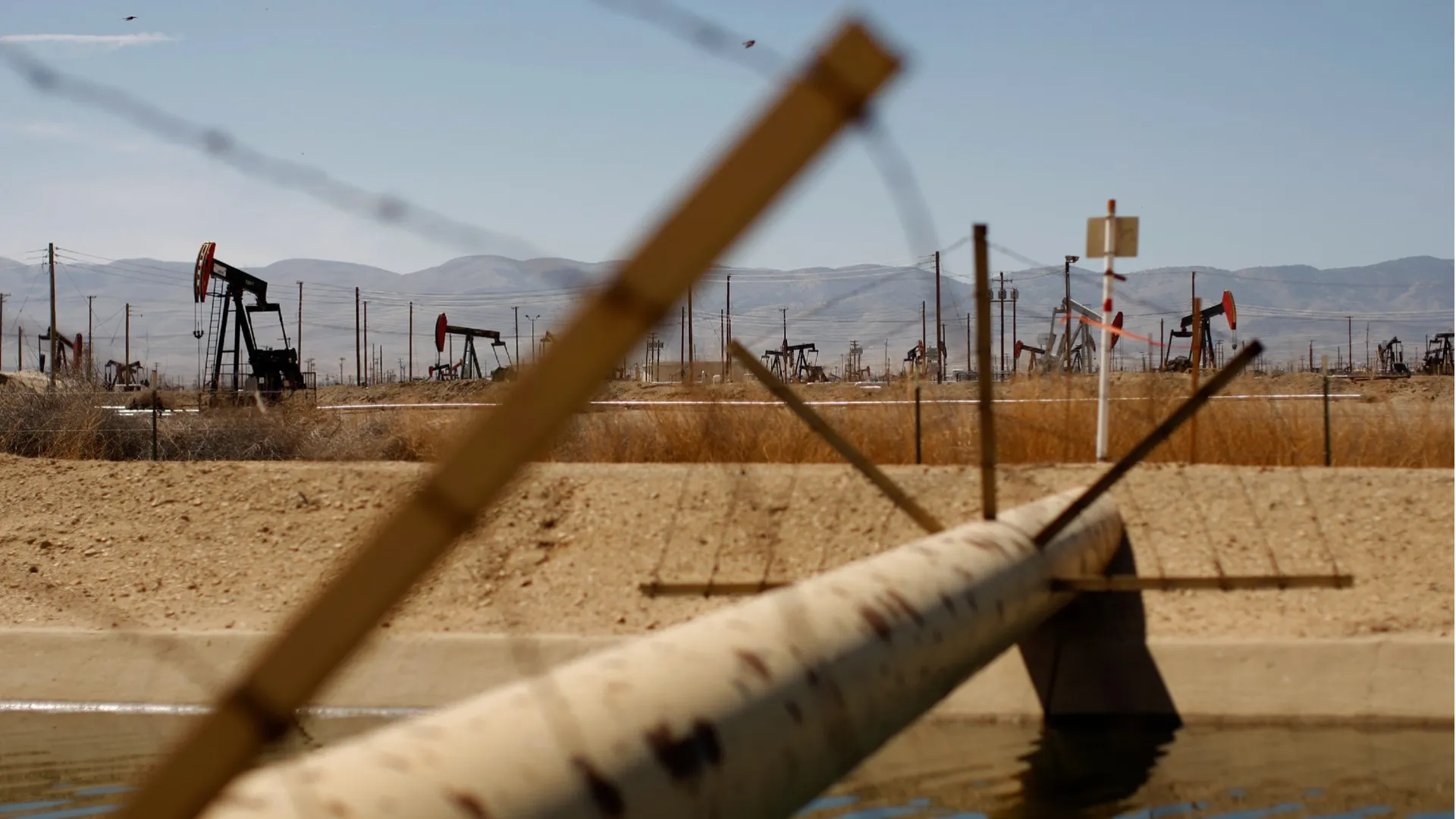
Fracking has supporters and critics because the technology provides important energy and economic benefits while creating environmental concerns. Its overall impact depends on factors such as drilling practices, local geology, regulations, water management, and how oil and gas operations are managed.
Pros of Fracking
Lower Energy Costs
Higher natural gas production can increase supply in energy markets. When supply grows faster than demand, it can put downward pressure on natural gas prices. Lower gas prices can also benefit businesses and households that use natural gas for heating, manufacturing, or electricity generation.
Also Read:
Energy Market Trends: The Factors Driving Energy Price Increases and Decreases
Lower Emissions Than Coal
Natural gas generally produces fewer carbon dioxide emissions than coal when burned to generate electricity. It also produces lower levels of several air pollutants. However, natural gas is still a fossil fuel, and methane leaks during production and transportation remain an important climate concern.
Greater Domestic Energy Supply
Fracking has increased access to domestic oil and natural gas resources. Higher production can reduce the need for some imported fuels and strengthen the domestic energy supply. The United States remains connected to global energy markets, so increased production does not mean complete energy independence.
Economic Benefits
Oil and gas development can support jobs in drilling, transportation, construction, equipment manufacturing, maintenance, and other related industries. Producing regions may also receive tax revenue, royalties, and other economic benefits from energy development.
Cons of Fracking
Water and Groundwater Concerns
Hydraulic fracturing uses large amounts of water and produces wastewater that requires careful handling. Spills, leaks, poor well construction, or improper wastewater management can create risks for nearby water resources. Strong well standards and proper waste management can help reduce these risks.
Induced Earthquakes
Fracking itself can cause small seismic events in some circumstances. Larger earthquakes associated with oil and gas development are more commonly linked to the underground disposal of wastewater. The risk varies by location and local geological conditions.
Methane and Air Quality Concerns
Oil and gas operations can release methane during production, processing, and transportation. Methane is a potent greenhouse gas, so reducing leaks is important for limiting the climate impact of natural gas. Drilling operations can also affect local air quality through equipment emissions and other activities.
Chemical and Waste Management
Fracking fluids contain water, proppants, and chemical additives that serve different purposes during the process. Concerns can arise when the handling, storage, or disposal of these materials is not properly managed. Regulations and disclosure requirements vary by jurisdiction and can help improve transparency and environmental protection.
Overall, fracking has expanded access to domestic oil and natural gas while supporting energy production and economic activity. At the same time, responsible water use, methane control, wastewater management, and strong environmental oversight remain important for addressing its potential risks.
Conclusion
Fracking has significantly changed the U.S. energy industry by making shale oil and natural gas more accessible. It has increased domestic production, supported economic growth, and influenced energy markets. However, concerns about water use, emissions, environmental impacts, and long term sustainability remain. As technology and regulations continue to develop, fracking will remain an important part of the ongoing energy discussion.