
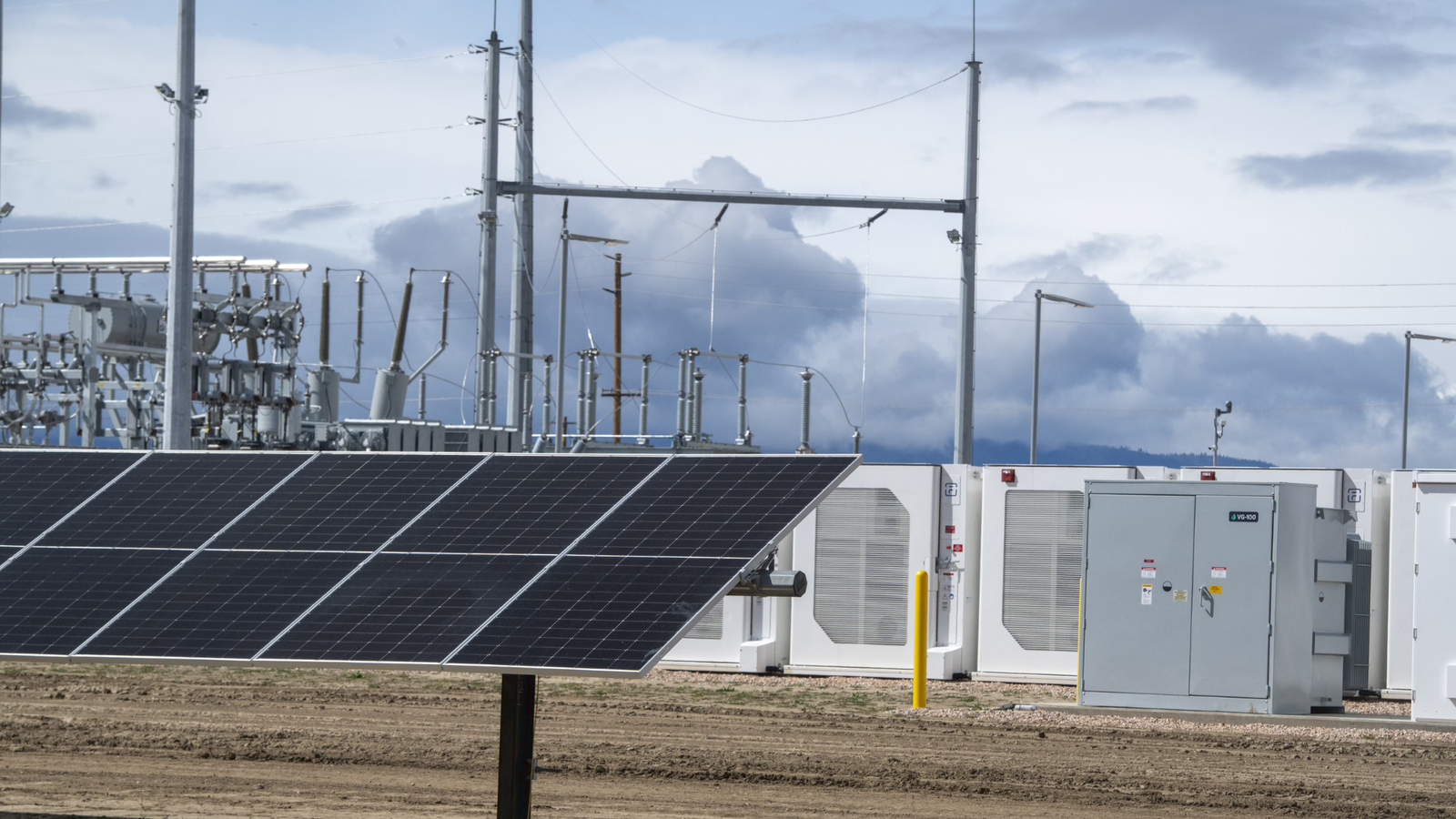
Advanced energy storage technologies are transforming how businesses and grid operators manage electricity, providing new ways to store, dispatch, and optimize power resources. As electricity demand continues to rise and renewable energy generation expands, these technologies are becoming critical for improving grid reliability, reducing costs, and supporting a more resilient energy system.
Energy storage is rapidly becoming a key component of the modern power grid. With electricity demand increasing due to factors like AI data centers and broader economic growth, existing grid infrastructure is struggling to keep pace. Storage systems, including lithium-ion batteries, allow operators to capture excess energy and deploy it to the grid within seconds when demand spikes. This added flexibility helps stabilize the system during extreme grid events and is already reshaping several wholesale electricity markets.
In this article, we’ll explore the different technologies that make up advanced energy storage systems, the challenges they face when integrating with aging grid infrastructure, and what the future of energy storage could look like in the United States and around the world.
What Are Advanced Energy Storage Technologies?
Advanced energy storage technologies primarily consist of grid-scale battery systems designed to store electricity and release it back to the grid when needed. These systems operate with a two-way flow of power, allowing electricity to be stored during periods of lower demand and dispatched during times of higher demand.
These technologies are becoming increasingly important for modern power grids for several reasons. One key benefit is their ability to balance the intermittent nature of renewable energy sources such as wind and solar. As renewable generation continues to expand, energy storage helps smooth out production when output drops, such as during nighttime hours or when wind speeds are low.
Energy storage also supports broader energy transition efforts by helping grid operators manage peak electricity demand and maintain system reliability. In addition, storage assets can participate in wholesale electricity markets, including ancillary services programs, where they help stabilize the grid and can generate additional revenue for operators.
The Energy Storage Landscape
Today’s energy storage market includes a variety of technologies, each designed to serve different operational needs. From battery systems to mechanical and thermal solutions, every storage type offers unique strengths and limitations. Below is an overview of the major energy storage technologies currently shaping the industry.
Lithium-Ion Batteries
Lithium-ion batteries are the most common energy storage solution in use today due to their high energy density and rapid response capabilities. They are frequently paired with utility-scale solar systems to store excess power and provide backup electricity during outages. Their compact and scalable design makes them suitable for both small commercial operations and large industrial facilities. However, lithium-ion systems can degrade over time and require careful management to reduce fire risks.
Flow Batteries
Flow batteries store energy in liquid electrolytes that move between external tanks during operation. This design allows them to achieve a longer lifecycle compared to traditional battery technologies. They are particularly useful for long-duration storage applications where energy must be discharged over extended periods. Flow batteries are also safer and easier to scale, though they generally have lower energy density and higher upfront installation costs.
Thermal Storage
Thermal energy storage captures excess energy in the form of heat or cold using materials such as molten salt, chilled water, or ice. These systems are commonly used in facilities with significant heating or cooling needs, including hospitals, schools, and data centers. By shifting HVAC loads to off-peak hours, thermal storage can reduce demand charges and improve overall energy efficiency. While not as flexible as battery systems, it can be very cost-effective in the right applications.
Compressed Air Energy Storage (CAES)
CAES systems store electricity by compressing air into underground caverns or specialized tanks. When power is needed, the compressed air is released through turbines to generate electricity. This technology works best for large-scale grid storage or remote microgrid projects where space is available. Although CAES can provide long-duration storage and support renewable integration, it requires specific geological conditions and typically has lower round-trip efficiency.
Hydrogen Storage
Hydrogen storage converts excess electricity into hydrogen through a process called electrolysis. The hydrogen can then be stored and later converted back into electricity or used as fuel in other sectors. This approach offers promising long-term storage potential and supports decarbonization in power generation, heating, and transportation. While still developing commercially, hydrogen storage could become a key component of future clean energy systems.
Related Blog:
Natural Gas Storage Capacity and Its Impact on Market Prices
Gravity Storage
Gravity-based energy storage generates electricity by raising heavy masses and releasing them to produce power when needed. By converting gravitational potential energy into electricity, these systems offer a durable alternative to chemical batteries. Some concepts use repurposed mine shafts to lift and drop large concrete blocks during different energy demand periods. Although still in early deployment stages, gravity storage systems are attractive due to their long lifespan and minimal degradation.
Supercapacitors
Supercapacitors store energy electrostatically rather than through chemical reactions. This allows them to charge and discharge extremely quickly, making them ideal for applications that require rapid bursts of power. They are often paired with battery systems to stabilize voltage fluctuations or support frequency regulation. While their total energy storage capacity is relatively small, their fast response makes them valuable in grid stabilization and backup power systems.
How Energy Storage Improves Grid Operations And Reduces Costs for Businesses
Energy storage systems play a major role in improving grid efficiency while helping businesses control electricity costs. By storing energy and releasing it when needed, these systems allow grid operators to better balance supply and demand, reduce system strain, and stabilize electricity prices. Below are some of the key ways energy storage supports grid operations.
Reserves & Regulation
Energy storage systems contribute to ancillary service markets, including spinning reserves, non-spinning reserves, and frequency regulation. These services are designed to maintain grid stability and ensure electricity supply remains balanced at all times. Battery systems are particularly effective in these markets because they can charge and discharge energy almost instantly. When batteries release stored power to correct fluctuations in grid frequency, they help maintain system reliability. Their participation also helps stabilize ancillary service costs, which ultimately influence retail electricity rates for businesses.
Additional Capacity
Many regional grid operators are facing growing concerns about maintaining adequate generating capacity as electricity demand rises. In several markets, capacity auction prices have increased due to supply shortages. Grid-connected battery storage systems can help address this issue by supplying electricity during peak demand periods. By participating in capacity markets, these storage resources provide additional generation support without requiring new power plants. As more storage projects are deployed, grid operators hope these added resources will help reduce capacity costs for consumers and businesses.
Renewable Support
As wind and solar generation continues to expand, energy storage has become essential for managing their intermittent output. Storage systems can capture excess renewable electricity during periods of high production, such as sunny afternoons or windy nights. That stored energy can then be released later when renewable generation declines and electricity demand increases. This ability to shift energy across time ensures a more stable and reliable power supply. For businesses, it also means greater price stability and the opportunity to rely more on clean energy sources without sacrificing operational reliability.
Commercial And Industrial Use Cases For Energy Storage
Beyond supporting wholesale electricity markets, energy storage systems also provide meaningful benefits for commercial and industrial facilities. By improving reliability and reducing peak electricity costs, battery storage solutions are becoming increasingly valuable across a wide range of industries. Below are several examples of how different facilities are using energy storage to strengthen operations and control energy expenses.
Data Centers
Data centers require continuous power availability to support critical digital infrastructure and maintain service uptime. Traditionally, this reliability has depended on backup diesel or natural gas generators. However, battery storage systems are increasingly being integrated into data center power strategies. While they are not always used as the sole backup solution, batteries provide extremely fast response times that help bridge short outages and maintain uninterrupted operations during power disturbances.
Hospitals
Hospitals and other critical infrastructure facilities must maintain reliable electricity around the clock. Even short power interruptions can impact essential medical equipment and patient care. Battery storage systems are well suited for these environments because they can provide immediate backup power during short outages, typically lasting four to six hours. Although many facilities still rely on traditional backup generators for extended emergencies, batteries are becoming an important component of modern hospital energy resilience strategies.
Manufacturing
Manufacturing plants and large industrial facilities often face high electricity costs, particularly during periods of peak grid demand. These peak events can significantly increase demand-related charges, including capacity and transmission costs. By installing battery storage systems, manufacturers can implement peak shaving strategies that reduce electricity consumption during high-cost periods. This allows facilities to lower overall energy expenses while maintaining stable production operations.
What Are Microgrids And How Does Storage Enhance Their Value?
Microgrids are localized, decentralized energy systems that can operate either independently or alongside the primary utility grid. They typically include on-site generation resources such as solar panels or natural gas generators, combined with smart controls and battery storage technologies. Energy storage significantly improves microgrid functionality by enabling “islanding,” allowing the system to continue operating even if the main grid goes offline. This capability helps maintain power reliability for critical operations and nearby energy users.
Battery storage also balances energy supply and demand within the microgrid, increasing efficiency and lowering operational costs. By storing excess electricity and releasing it when needed, businesses can maximize renewable energy production, stabilize power fluctuations, and reduce peak demand charges. As a result, microgrids equipped with storage provide a strong solution for improving resilience, advancing sustainability goals, and maintaining long-term control over energy expenses.
Barriers To Widespread Adoption
Although energy storage technologies offer significant advantages, several obstacles still limit their broader adoption across grid-scale, commercial, and industrial environments. Businesses evaluating storage investments must consider these challenges before implementation. Below are some of the most common barriers organizations may encounter:
- High Upfront Capital Costs: Installing battery and energy storage systems often requires substantial initial capital, even though long-term savings and revenue opportunities may offset the investment.
- Regulatory Uncertainty: Changing policies around wholesale market participation and grid service compensation can create uncertainty or restrict revenue potential for storage assets.
- Technical Complexity: Designing and integrating a storage system requires detailed load analysis, careful system sizing, and complex grid interconnection approvals to ensure proper operation.
- Ongoing Maintenance & Operations: Storage systems, particularly batteries, require regular maintenance, experience gradual performance degradation, and may need continuous monitoring if they participate in wholesale energy markets.
Interested In Exploring Energy Storage Solutions?
Advanced energy storage technologies are transforming how businesses and grid operators manage electricity costs, strengthen resilience, and transition toward a cleaner energy future. However, selecting the right storage strategy requires a detailed understanding of your facility’s energy usage, grid connection requirements, and long-term financial objectives.
Our team of experienced energy advisors works with energy brokers, business owners, and facility managers to evaluate storage incentives, align system design with operational goals, and unlock long-term value. Whether you’re considering short-duration backup solutions or long-duration market opportunities, we provide the insights and expertise needed to make informed decisions.