
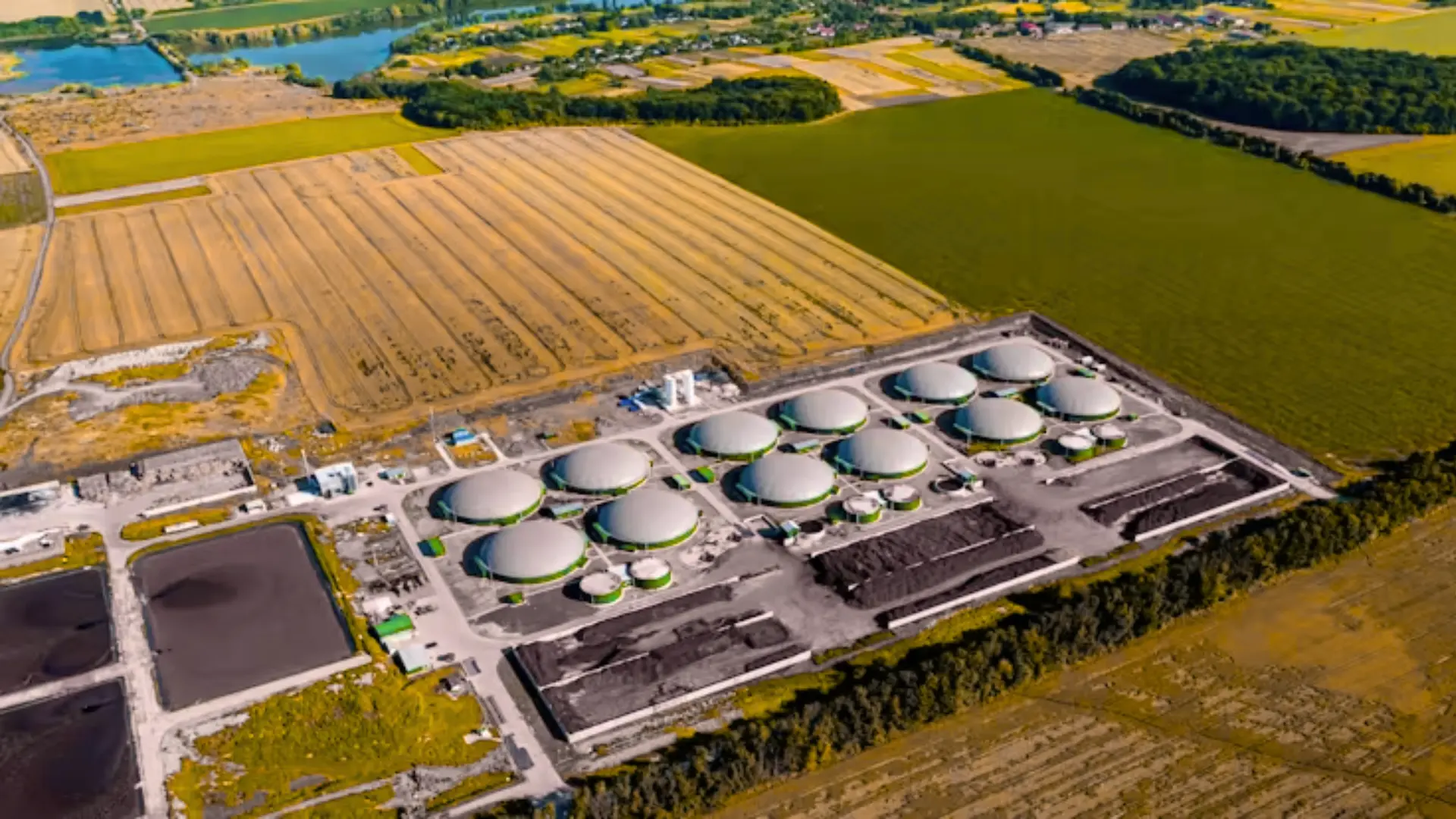
This article explains renewable natural gas (RNG). RNG is a cleaner alternative to regular natural gas. It is made from organic waste like food scraps, animal manure, and other biodegradable materials. RNG helps reduce gas emissions and supports the shift to cleaner energy. Natural gas is one of the most common fossil fuels in the U.S. It has helped replace dirtier fuels like coal. But natural gas still has environmental concerns. Renewable natural gas is one of the fastest-growing parts of the natural gas industry. It is changing the future of energy. Let’s take a closer look at how it works and why it matters.
What Is Renewable Natural Gas?
Renewable natural gas (RNG) is a type of fuel similar to regular natural gas. It is mainly made of methane and can be used for energy. RNG is also called biomethane because it comes from natural waste like food scraps, landfill waste, and wastewater.
To make RNG, companies use methods like anaerobic digestion or gasification. These processes break down organic waste and turn it into methane gas. RNG is carbon-neutral, meaning the carbon it releases is about the same as the carbon absorbed by the waste when it was alive. This makes RNG a renewable and sustainable energy source.
How Is RNG Produced?
Organic waste naturally breaks down over time. During this process, it releases methane. Methane is a very harmful greenhouse gas if it escapes into the air. RNG production captures this methane before it is released. This helps reduce its impact on the environment. The captured gas is cleaned and refined into renewable natural gas. RNG can then be used like regular natural gas or diesel. It replaces fuels that create more emissions. This process does not add extra greenhouse gases. Because of this, RNG supports a circular energy economy. It helps lower carbon footprints and plays a role in slowing climate change.
What Is the Difference Between Conventional and Renewable Natural Gas?
The biggest difference between conventional natural gas and renewable natural gas (RNG) is how they are made.
- Conventional natural gas comes from underground rock formations. It is drilled using traditional methods or hydraulic fracking.
- Renewable natural gas, on the other hand, comes from organic waste like food scraps, landfill waste, or wastewater.
Because of how they are produced, these two types of gas have different impacts on the environment and play different roles in the energy industry.
Uses for Renewable Natural Gas (RNG)
Once renewable natural gas (RNG) is cleaned and made pipeline-ready, it can be used just like regular natural gas. Common uses include:
- Microgrids & distributed energy: supporting local energy systems
- Power generation: producing electricity for homes or businesses
- Industrial heating: used in factories and industrial processes
- Heating: warming homes, offices, or commercial buildings
- Transportation: fueling natural gas-powered vehicles
- Agriculture: heating for farms and greenhouses
RNG can fit into almost any application where conventional natural gas is used, but with a much smaller impact on the environment.
Pros of Renewable Natural Gas (RNG)
Renewable natural gas offers several benefits over conventional natural gas and other fossil fuels. Some of the main advantages include:
It’s Carbon Neutral
Renewable natural gas is not carbon negative, but it is considered carbon neutral. The carbon released during production equals the carbon absorbed by the waste material during its life. RNG also captures methane that would otherwise escape into the air. This helps reduce overall greenhouse gas emissions and lowers its carbon footprint.
Better For The Environment
RNG uses organic waste that would otherwise decompose, creating a circular energy cycle. Traditional natural gas relies on drilling and heavy machinery, which can cause methane leaks. RNG burns just as cleanly as regular natural gas.
Cleaner To Source
RNG is made by breaking down organic waste, making it much cleaner to produce than traditional natural gas. Conventional gas often uses fracking, which can pollute water and disturb the earth.
Cons of RNG
Even though renewable natural gas has many benefits, it also has challenges. Producing RNG is not always simple or cheap. There are limits to how much RNG can be made from waste sources. Some people also question how scalable it is long-term. These concerns create debate around the role of RNG in the clean energy transition.
It’s More Expensive To Produce
Renewable natural gas is more expensive to produce than conventional natural gas. The biomethane that is made by breaking down waste matter is not of pipeline-grade and needs to be treated before it can enter the natural gas distribution system. In addition, the technology required to produce RNG involves significant capital investment.
It’s Not Scalable
Renewable natural gas is hard to scale. Collecting organic waste takes time and money. A steady RNG supply needs a full system to gather and process waste. Building and maintaining this supply chain is costly. On a large scale, this makes RNG difficult to expand and less economical.
Methane Leaks
RNG is safer to produce than fracking. However, methane leaks are still a concern. Methane can escape during RNG production or processing. When this happens, it harms the environment. Methane is a strong greenhouse gas, so leaks can reduce the climate benefits of RNG.
The Current State of Renewable Natural Gas
Renewable natural gas has received a lot of attention and interest in recent years. Many companies are testing and exploring their use. However, RNG is still not widely used in the United States or around the world. One main reason is the lack of strong infrastructure. There are not enough RNG production facilities or reliable waste supply systems to support large-scale use.
Even with these challenges, there are positive signs of growth. New laws, such as the Renewable Fuel Standard Program, require part of the fuel supply to come from renewable sources. At the same time, RNG production technology is improving. Because of these changes, the future looks promising for renewable natural gas.
Where Does Renewable Natural Gas Come From?
Renewable natural gas comes from methane, which is produced when organic matter breaks down. Unlike conventional natural gas, RNG does not come from underground drilling. RNG is made from biogas, which is captured from waste streams and renewable biomass. Common sources include animal waste, crop leftovers, and food waste. Organic waste from farms and dairies can also be converted into RNG. The most common sources of biogas are natural breakdown processes at facilities like landfills and wastewater treatment plants. This captured gas is then refined into renewable natural gas for use.
The Future of Renewable Natural Gas
The renewable natural gas industry in the U.S. is expected to grow quickly. Supportive environmental policies are helping drive this growth. New technology is also making RNG easier and more efficient to produce. More people now see RNG as a low-carbon energy option.
The future of RNG depends on solving current challenges. This includes expanding production, improving infrastructure, and scaling the supply chain. If these issues are addressed, RNG can become an important energy source in the United States.
Want to Speak to a Gas Market Expert?
Interested in learning more about renewable natural gas and how it could work for your business? Contact us today. Our natural gas experts understand RNG technology and the U.S. gas markets. We can help you explore your options and answer your questions.
FAQs
1. What is renewable natural gas (RNG)?
Renewable natural gas is methane produced from organic waste instead of underground fossil fuels. It can be used like conventional natural gas for energy, heating, or transportation.
2. How is RNG different from conventional natural gas?
Conventional natural gas comes from underground drilling, while RNG is captured from decomposing organic matter like food waste, manure, or wastewater. RNG is renewable and carbon-neutral.
3. What materials are used to make RNG?
RNG is made from organic waste such as food scraps, agricultural residues, animal manure, and wastewater. These materials naturally produce methane as they decompose.
4. Is RNG environmentally friendly?
Yes. RNG reduces greenhouse gas emissions by capturing methane that would otherwise escape into the atmosphere. It also uses waste that would decompose and release carbon naturally.
5. Can RNG replace conventional natural gas completely?
Currently, RNG cannot fully replace conventional gas because supply is limited. However, it can supplement natural gas and reduce overall carbon emissions while the energy industry transitions to cleaner sources.
6. What are the main uses of RNG?
RNG can be used for electricity generation, heating homes or businesses, industrial processes, fueling natural gas vehicles, agricultural heating, and supporting microgrid or distributed energy systems.