
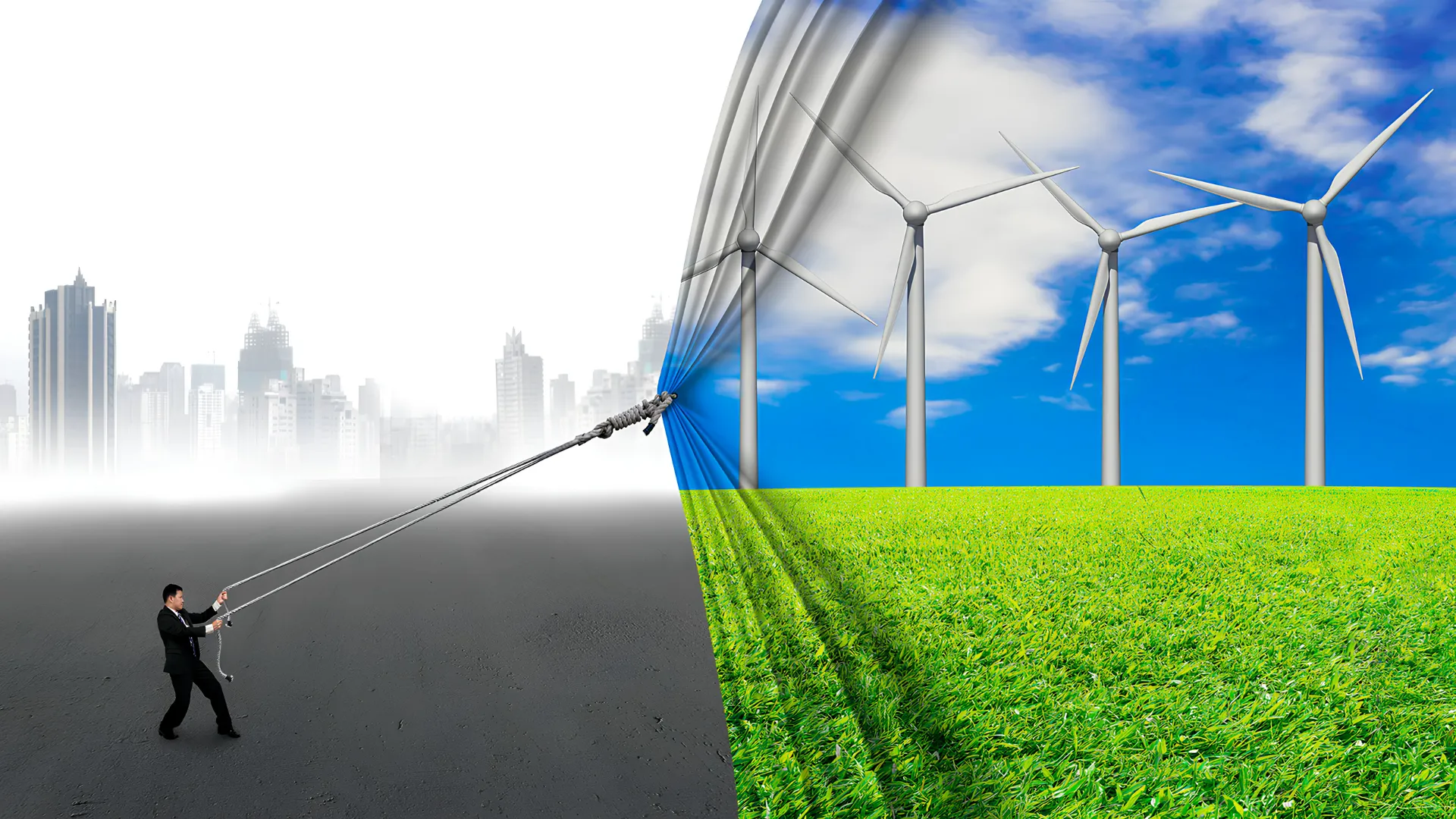
The energy industry is changing as countries, businesses, and consumers move toward cleaner and more flexible energy systems. This shift affects how energy is produced, delivered, stored, and used. The transition also brings changes in technology, energy markets, infrastructure, and energy policy. This article explains the four pillars of energy transition: decarbonization, digitization, decentralization, and democratization.
It also explains why energy transition matters and how it affects customers, energy suppliers, utilities, investors, and policymakers. By understanding these four pillars, businesses can better prepare for changes in energy costs, renewable energy, grid modernization, energy storage, and new energy technologies.
What Is the Energy Transition?
For many years, the world has relied on coal, oil, and natural gas to meet its energy needs. Burning these fossil fuels releases greenhouse gases that contribute to global warming and climate change. The energy transition is the shift from fossil fuels toward cleaner energy sources. These include solar, wind, hydropower, geothermal energy, and other low carbon technologies.
The transition goes beyond changing how electricity is generated. It also involves cleaner ways to power transportation, buildings, heating systems, and industrial operations. The goal is to create an energy system that produces fewer emissions while remaining reliable, affordable, and resilient. It also aims to improve energy security and expand access to cleaner energy.
As technology develops, the energy transition is changing how homes, businesses, and communities produce and use energy. It is a long term shift that affects the entire energy system.
The Four Pillars of Energy Transition
The energy transition is shaped by four connected pillars: decarbonization, digitization, decentralization, and democratization. Together, they describe how the energy system is changing from a centralized, fossil fuel based model to a cleaner, smarter, and more flexible system.
Decarbonization
Decarbonization means reducing greenhouse gas emissions from energy production and use. This includes replacing fossil fuels with renewable sources such as solar and wind. It also includes energy efficiency, battery storage, electrification, and other low carbon technologies.
Digitization
Digitization uses digital tools to improve how energy is produced, delivered, and consumed. Smart meters, sensors, artificial intelligence, automation, and data analytics can help businesses and utilities monitor energy use and manage demand more effectively.

Decentralization
Decentralization moves some energy production closer to where electricity is used. Rooftop solar, battery storage, microgrids, and other distributed energy resources allow homes and businesses to generate and manage their own power. This can reduce pressure on the central grid and improve energy resilience.

Democratization
Democratization gives consumers a greater role in the energy system. Customers can produce electricity, store energy, adjust their demand, and in some markets participate in programs that support the grid. This creates more opportunities for consumers to manage their energy costs and choices.
Together, these four pillars are helping create a more clean, flexible, digital, and consumer focused energy system.
Why Is the Energy Transition Important?
The energy transition matters for environmental, economic, and energy security reasons. It can reduce emissions, improve air quality, lower exposure to fossil fuel price swings, and support a more diverse energy system.
Climate Change
Reducing greenhouse gas emissions is a major reason for the energy transition. Cutting emissions from electricity, transportation, buildings, and industry can help limit global warming. The transition also supports the wider shift toward low carbon energy systems.
Air Pollution
Energy production and fuel combustion can release pollutants that harm human health. The World Health Organization estimates that ambient outdoor air pollution caused about 4.2 million premature deaths worldwide in 2019. Cleaner energy and more efficient systems can help reduce pollution from power generation, transportation, and other sources.
Economic Benefits
Renewable energy has become increasingly competitive with conventional power sources. Costs have also continued to change as solar, wind, and battery technologies improve. According to the latest IRENA data, more than 90% of utility scale renewable projects commissioned in 2025 produced electricity at a lower cost than the cheapest new fossil fuel plants in their markets.
Lower generation costs can create opportunities for businesses and consumers. Renewable projects can also reduce exposure to fuel costs because solar and wind do not require ongoing fuel purchases.
Energy Security
Energy transition can strengthen energy security by diversifying the sources used to produce electricity. Solar, wind, hydropower, geothermal energy, and other domestic resources can reduce dependence on imported fuels in some markets.
Renewables can also help protect energy systems from fossil fuel price shocks. IRENA estimates that renewable capacity added since 2000 reduced global electricity sector fuel costs by at least $409 billion in 2023.
What Are the Benefits of the Transition to Renewable Energy?
The transition to renewable energy can provide environmental, economic, and energy security benefits. It can reduce greenhouse gas emissions while supporting a cleaner and more diverse energy system.
Lower Greenhouse Gas Emissions
Renewable energy sources such as solar and wind produce electricity without directly burning fossil fuels. Replacing some fossil fuel generation with renewable power can reduce emissions from the electricity sector.
Cleaner Air and Better Public Health
Reducing fossil fuel combustion can lower emissions of air pollutants such as particulate matter, nitrogen oxides, and sulfur dioxide. Cleaner air can support better public health and reduce some health costs linked to air pollution.
Greater Energy Security
Solar, wind, and other renewable resources are available in many regions. Using more domestic renewable energy can reduce dependence on imported fuels and limit exposure to global fossil fuel price changes.
New Economic Opportunities
The renewable energy sector supports jobs in areas such as manufacturing, construction, engineering, project development, operations, and maintenance. New energy projects can also create economic activity in local communities.
More Resilient Energy Systems
Renewable generation can work alongside battery storage, microgrids, demand response, and other technologies. These resources can give businesses and communities more options for managing energy supply and demand.
Benefits for Local Communities
Renewable projects can create additional income for landowners and local communities. For example, wind projects can operate alongside agricultural activities when projects are properly planned. Community involvement can also help ensure that local benefits are shared fairly.
The energy transition is changing how energy is produced, purchased, delivered, and used. The shift toward renewable energy also affects energy prices, technology, infrastructure, and business decisions. These changes create different opportunities and challenges for energy customers, suppliers, and other stakeholders.
For Energy Customers
Energy customers are gaining more ways to manage where their energy comes from and how they use it. Renewable energy, smart technology, and energy storage are giving businesses more control over their energy strategies.
Greater Access to Renewable Energy
Businesses and other customers have more options for using renewable energy. These include on site solar, renewable energy contracts, and renewable energy certificates (RECs).
Renewable sources can also reduce exposure to some fossil fuel price changes. However, total energy costs still depend on factors such as location, utility rates, grid costs, and the type of energy contract.
Changing Energy Prices
The energy transition can affect electricity prices in several ways. Building renewable generation, transmission lines, battery storage, and other infrastructure requires investment. At the same time, solar and wind have no fuel cost once they are operating.
Energy prices can also change as electricity demand grows and the generation mix changes. Customers should look beyond the energy rate and consider demand charges, capacity costs, transmission charges, and other parts of their utility bill.
More Energy Management Technology
Digital tools are giving customers better control over energy use. Smart meters, energy management systems, battery storage, and automated controls can help businesses track consumption and respond to changing prices.
For Energy Suppliers and Utilities
The energy transition is changing how suppliers and utilities operate. Growing renewable generation, distributed energy resources, and changing customer needs require updates to business models, grid systems, and energy planning.
Adapting Business Models
Energy suppliers and utilities need to adjust their services as renewable energy becomes a larger part of the power mix. This includes supporting solar, wind, battery storage, demand response, and other distributed energy resources.
Suppliers also need to respond to customers who want more control over their energy use, costs, and renewable energy options.
Modernizing the Electric Grid
The growth of distributed energy resources requires upgrades to the electric grid. Utilities need better systems to manage two way power flows, changing demand, and new generation connected at the distribution level.
Grid modernization can include advanced meters, automated controls, improved transmission and distribution systems, and digital monitoring tools. These upgrades help maintain reliability as the energy mix changes.
Expanding Energy Storage
Energy storage is becoming an important part of a more flexible power system. Batteries can store electricity when supply is high and release it when demand increases.
Storage can also help manage renewable generation when solar or wind output changes. Depending on the application, batteries can support peak demand management, grid services, and system reliability.
For Stakeholders and Policymakers
The energy transition affects governments, regulators, investors, utilities, and other stakeholders. Their decisions can influence how quickly new energy technologies are adopted and how reliably the energy system operates.
Policy and Regulation
Governments and regulators need policies that support clean energy while maintaining reliable and affordable energy supplies. These policies can include renewable energy incentives, clean energy standards, grid connection rules, energy efficiency programs, and support for energy storage.
Clear regulations also help businesses and investors understand the requirements for developing and connecting new energy projects.
Balancing Sustainability and Energy Needs
Policymakers must balance emissions goals with energy reliability, affordability, and energy security. The transition requires major investment in generation, transmission, distribution, and storage.
Good planning can help reduce emissions while keeping energy available and affordable for homes and businesses.
Investment in Research and Development
Continued research can improve the performance and cost of renewable energy technologies. Areas such as battery storage, hydrogen, grid management, carbon capture, and advanced power systems continue to receive investment.
Research and development can help address technical challenges and support the wider adoption of cleaner energy technologies.
Looking for an Energy Partner to Navigate the Energy Transition?
Great Energy 1 helps businesses understand and manage the changes taking place across the U.S. energy market. Our energy broker professionals can help you evaluate energy costs, renewable energy options, and new energy technologies. We can also help you understand how energy market changes may affect your operations and long term costs.
Contact Great Energy 1 today to learn how the energy transition can support your business or organization.
FAQs About the Energy Transition
Which Countries Are Leading the Energy Transition?
Countries are progressing at different speeds. China, the United States, and countries across Europe are making major investments in renewable energy, energy storage, grid infrastructure, and clean energy technologies. Leadership also varies by technology and policy.
What Role Does Technology Play in the Energy Transition?
Technology helps make the energy system cleaner and more efficient. Solar and wind power, battery storage, smart grids, digital tools, artificial intelligence, and other technologies can improve energy production, grid management, and energy use.
How Are Investors Supporting the Energy Transition?
Investors provide funding for renewable energy projects, grid upgrades, energy storage, and other clean energy technologies. Their investment helps businesses develop and expand projects that support the transition to a lower carbon energy system.
How Is the Oil and Gas Industry Navigating the Energy Transition?
Oil and gas companies are responding in different ways. Some are investing in renewable energy, carbon management, hydrogen, methane reduction, and energy efficiency. Others are focusing on reducing emissions from existing operations while continuing to supply oil and natural gas during the transition.
How Does the Energy Transition Affect Businesses?
Businesses may face changes in energy prices, regulations, technology, and energy supply options. Companies can also gain opportunities through renewable energy, energy efficiency, battery storage, demand management, and smarter energy procurement.