
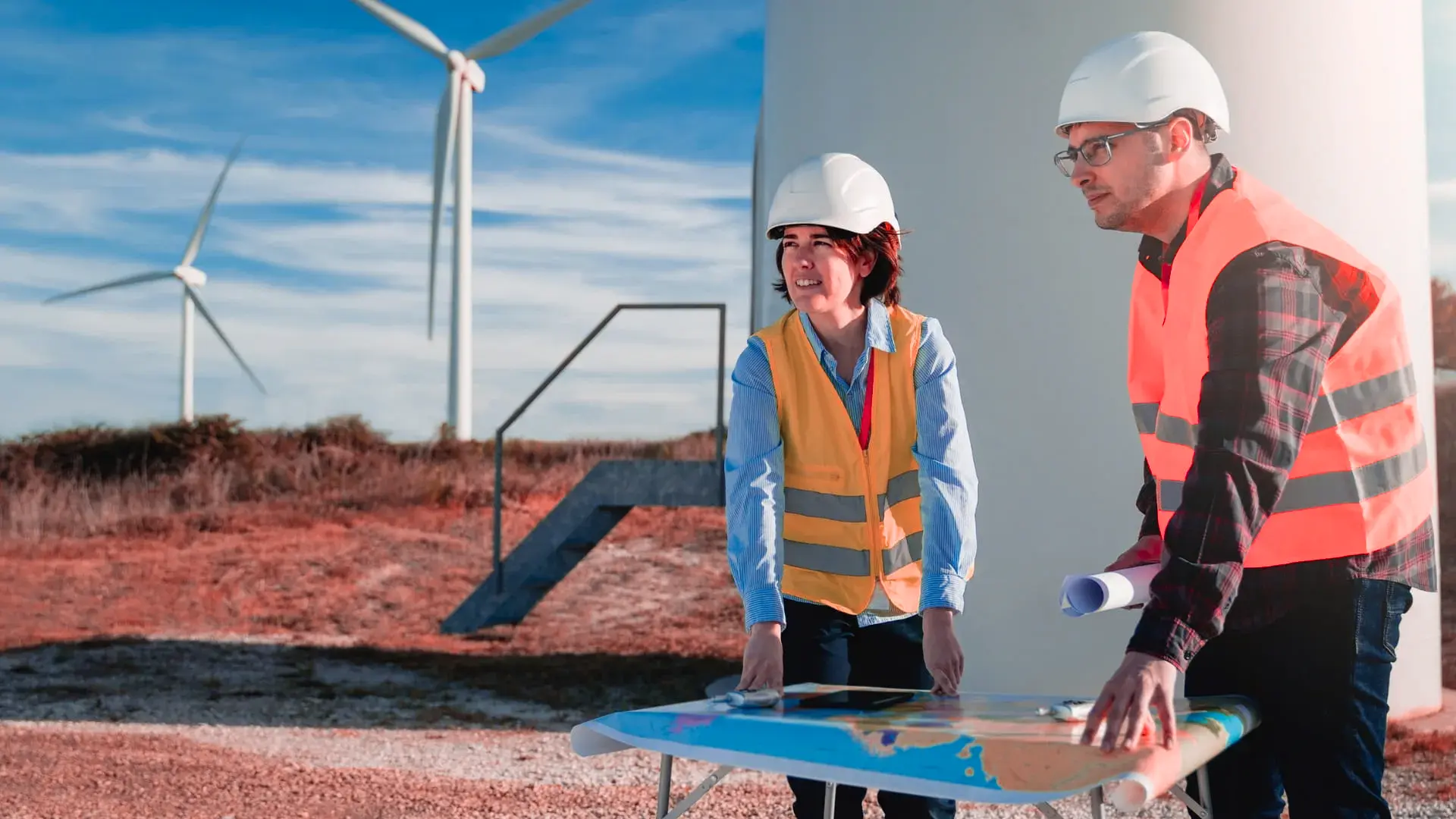
The energy industry is at a pivotal moment. Rising costs, global uncertainty, and the urgent need to shift toward sustainable energy sources are reshaping the sector. From outdated grids to unpredictable renewable energy, businesses, governments, and consumers face new obstacles and opportunities in 2026 and beyond.
Energy markets have been volatile in recent years, with prices swinging dramatically due to global events, geopolitical tensions, and shifts in energy policy. At the same time, the push for NetZero emissions and renewable energy adoption presents both promise and complexity. This article explores the key challenges in the energy sector, the solutions being implemented, and what the future may hold.
What Are the Challenges in the Energy Industry?
The energy industry faces many challenges today. Energy costs are rising, and some energy markets are not very efficient. There is a lot of room for improvement. Let’s look at some of these challenges in more detail.
Energy Price Volatility
Energy prices have changed a lot in recent years. In 2021, prices were at their lowest levels in 15 years. Only a few years later, they jumped to near 20-year highs. These sharp changes make it difficult for people and businesses to plan their energy budgets. Many of these price swings happened because of the post-COVID economy and global events like the Russia-Ukraine conflict. Big price jumps create problems for both energy companies and consumers who rely on stable and affordable energy.
Fossil Fuels
Fossil fuels like coal and oil have powered homes, businesses, and vehicles for many years. Now, many countries and energy regulators want to move away from these fuels and work toward a NetZero future. This change is important for fighting climate change. But it is not easy to achieve. Fossil fuels still support much of the economy, so moving away from them will be a major challenge.
Grid Security
A big concern in the energy sector is the safety of the U.S. electricity grid. It is one of the oldest grids in the world. The centralized power network can be vulnerable to cyberattacks and other threats. Many upgrades have been made to improve grid security. Experts suggest moving toward distributed generation to better protect against electricity threats.
Water Quality & Supply
Water supply and quality are important issues in the energy sector. In recent years, there have been several water contamination problems. Freshwater reserves are also decreasing. Ensuring safe drinking water is becoming a concern for environmentalists. This challenge must be addressed for the well-being of people.
Renewable Energy Challenges
Using renewable energy seems to solve many energy problems. However, switching to greener energy comes with challenges. There are many obstacles to overcome.
Let’s look at the main challenges in the renewable energy market in more detail.
Scalability
Many experts say renewable energy sources, like wind and solar, cannot produce enough power to meet all energy needs. They believe fossil fuels or nuclear power will still be needed. These sources help meet peak electricity demand.
Cost
Even with government incentives, installing renewable energy can be expensive. Compared to fossil fuels, the upfront cost is high. Only a few U.S. states allow consumers to save a lot by switching to renewable energy.
Predictability
Renewable energy is not always predictable. We cannot always tell when the wind will blow or when the sun will shine. This makes it hard for grid operators to balance energy supply and demand. Fossil fuels are easier to predict and schedule. This makes them more reliable for managing the electric grid.
Looking Into the Future
If we can solve the challenges of both fossil fuels and renewable energy, the future looks promising. New technologies are needed to connect these two energy sources. Advanced tools, like AI in the energy industry, could help solve these problems. For now, the transition to a cleaner energy future will be slow.
Related Blog:
The Future of Renewable Energy in Electricity Brokerage
FAQs
1. What are the main challenges facing the energy industry in 2026?
The energy industry faces rising costs, inefficient markets, and global uncertainty. Other major challenges include grid security, water supply issues, and transitioning away from fossil fuels. Technology limitations and financial constraints also make managing energy systems more complex.
2. Why is energy price volatility a concern for businesses and consumers?
Energy prices have swung dramatically in recent years, from 15-year lows in 2019 to near 20-year highs later. These sudden changes, driven by global events like the Russia-Ukraine conflict and post-COVID economic shifts, make it hard for businesses and consumers to plan and budget for energy costs.
3. What challenges does the shift from fossil fuels to renewable energy present?
Moving away from coal, oil, and other fossil fuels is essential for sustainability, but it comes with hurdles. Renewable energy can be expensive to install, is sometimes unpredictable, and may not scale enough to meet all energy demands. Fossil fuels and nuclear power may still be needed for peak electricity.
4. How does grid security affect the energy sector?
The U.S. electricity grid is one of the oldest in the world and is vulnerable to cyberattacks and other threats. While upgrades have improved security, experts recommend moving toward distributed generation to reduce risk and ensure reliable electricity delivery.
5. Why is water supply and quality an energy industry concern?
Energy production often relies on water for cooling and processing. Contamination issues and declining freshwater reserves have raised concerns. Ensuring a safe, sufficient water supply is critical for sustainable energy production and environmental protection.
6. What role can technology play in shaping the future of energy?
Advanced technologies, including AI and energy management systems, can help bridge the gap between fossil fuels and renewable energy. These tools improve efficiency, predict energy needs, and balance supply and demand. However, the transition to a cleaner energy future will be gradual and require continued innovation.