
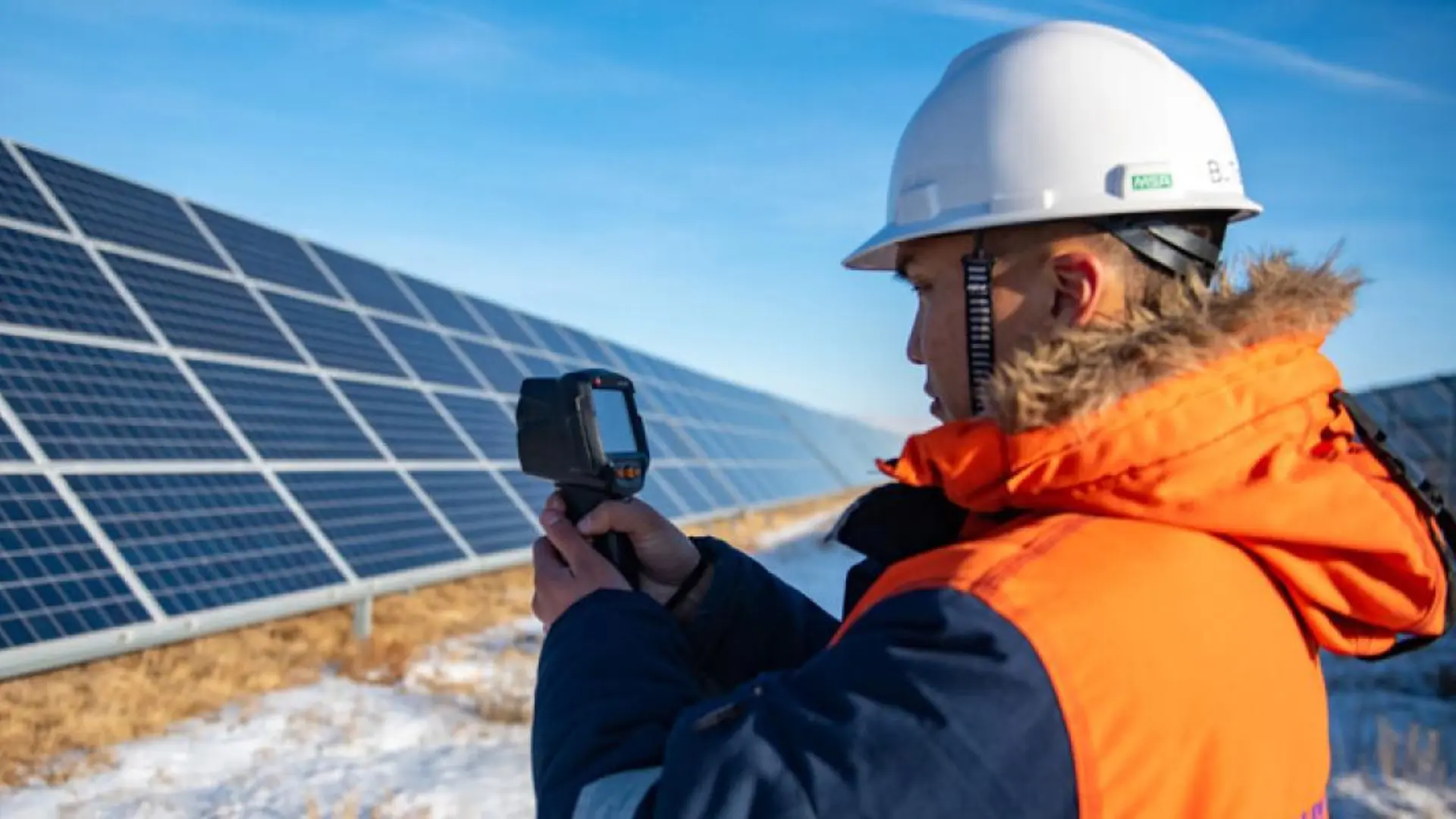
Innovation is changing how energy is produced, delivered, and used. New technologies are helping businesses and utilities work smarter and more efficiently. Understanding these trends is important for staying competitive in today’s fast-changing energy market. Technologies such as smart grids, building automation systems, battery storage, and renewable energy are improving the electric system. They are making it cleaner, more reliable, and more flexible.
In this article, we will look at the most important energy technology trends. We will also discuss the challenges of adding new technology to the power grid and how these changes affect energy customers and brokers.
How Technology Has Affected The Energy Industry
Technology has significantly impacted the aging electrical infrastructure. With the adoption of smart meters, advanced automation, and microgrid systems, the industry is rapidly transitioning away from outdated analog processes. These technological improvements have opened the door to major energy innovations. For instance, smart meters and net-metering technologies have supported the widespread growth of behind-the-meter solar installations. In addition, at the wholesale market level, grid operators now rely on battery storage systems to manage voltage, stabilize frequency, and participate in ancillary service markets. These advancements have delivered meaningful benefits to both utilities and consumers and will continue strengthening the reliability and efficiency of the modern energy network.
The Key Emerging Energy Technologies In 2026 And Beyond
As we move into the future, there are several key emerging technologies at the forefront of this revolution.
1. Artificial Intelligence & Data Analytics
Artificial intelligence and advanced data analytics are becoming essential for predictive grid maintenance, facility optimization, and accurate load forecasting. These tools enable suppliers and schedulers to anticipate demand in real time, balance day-ahead and real-time markets, and improve overall pricing efficiency. By leveraging AI-driven insights, energy stakeholders can reduce operational risks, enhance reliability, and make smarter market decisions.
2. Energy Storage Technologies
Energy storage solutions such as lithium-ion batteries, flow batteries, and thermal storage are helping stabilize intermittent renewable generation. As wind and solar assets connect to the grid, batteries capture excess energy that cannot be dispatched due to congestion constraints. This enables asset owners to maximize project value while participating in ancillary services and capacity markets.
3. Distributed Energy Resources (DERs) & Microgrids
Distributed energy resources such as rooftop solar, small wind systems, and local batteries are accelerating the decentralization of power generation. DER-powered microgrids are improving energy reliability for communities and industrial facilities while reducing dependence on centralized grids. As grid stress grows with rising demand, these systems play an important role in strengthening energy security and operational resilience.
4. Green Hydrogen & Power-to-Gas
Green hydrogen is emerging as a versatile energy carrier that can integrate into existing gas infrastructure. It offers a cleaner alternative to traditional fossil fuels and supports decarbonization goals across multiple sectors. In addition, power-to-gas technologies convert excess electricity into storable hydrogen or synthetic gas, helping balance renewable generation and improve long-term energy storage.
5. Carbon Capture and Storage (CCS)
Advances in carbon capture technology are helping reduce emissions from hard-to-abate industries. This is especially important for large companies and industrial facilities aiming to meet their carbon reduction targets.
6. Next-Generation Solar & Wind Technologies
New renewable energy technologies, like floating solar panels, bifacial solar modules, and vertical-axis wind turbines, are becoming key in the energy transition. These innovations provide higher efficiency, lower cost per megawatt, and can be used in a wider range of locations.
Challenges in Deploying Emerging Energy Technologies
Deploying new energy technologies comes with several challenges. High upfront costs for renewable energy projects require significant capital, which can be difficult to secure. Additionally, many grids still rely on older analog communication systems, such as SCADA protocols and remote terminal units (RTUs), to protect central infrastructure from cyber threats. Introducing new digital systems can create vulnerabilities and must be carefully tested. These legacy communication systems also make it harder to integrate renewable energy into existing grid infrastructure.
The Future of Energy Technology
The future of energy is shaped by clean energy, digital tools, and decentralized power systems. This combination allows consumers to also be producers, or “prosumers,” generating and using their own energy while engaging in energy markets. Key rapid advancements include:
1. Smart Grid Infrastructure
Modern smart grids use automation, real-time data, and two-way communication to manage energy supply and demand efficiently. As more smart devices connect to the grid, intelligent systems will become even more essential. This connectivity allows utilities and consumers to optimize energy use, shift loads when needed, and reduce dependence on fossil fuels.
2. Regulatory Reform
Global cooperation is key to advancing the energy transition. Governments and energy regulators are working to simplify permitting, set standards for distributed energy resource (DER) integration, and promote cross-border energy innovation. These efforts help accelerate the adoption of new technologies while maintaining grid reliability and safety.
What This Means For Energy Brokers and Energy Customers
The growth of tech in the energy sector is having a lasting impact on energy market participants, such as retail energy suppliers and brokers, and end-users alike.
1. For Brokers
Energy brokers now have opportunities to provide data-driven procurement services using real-time spot and futures market prices. Access to this data helps brokers design hybrid pricing models that are tailored to the specific energy needs of their customers, improving cost savings and risk management.
2. For Customers
With technology like real-time energy analytics, smart meters, and renewable energy systems, customers gain greater control over their energy use and costs. These tools help reduce consumption, lower bills, and even create opportunities to earn revenue by participating in demand response programs.
Let Us Help You Implement the Right Technology for Your Energy Needs
The energy landscape is changing fast. Businesses, utilities, and brokers must stay ahead of market shifts, new regulations, and evolving customer expectations. By adopting innovative energy technologies, you can reduce costs, improve reliability, and support decarbonization goals. At Great Energy 1, our experts guide commercial and industrial customers through emerging technologies, create customized solutions, and help you take advantage of energy market opportunities. Contact us today to get started.