
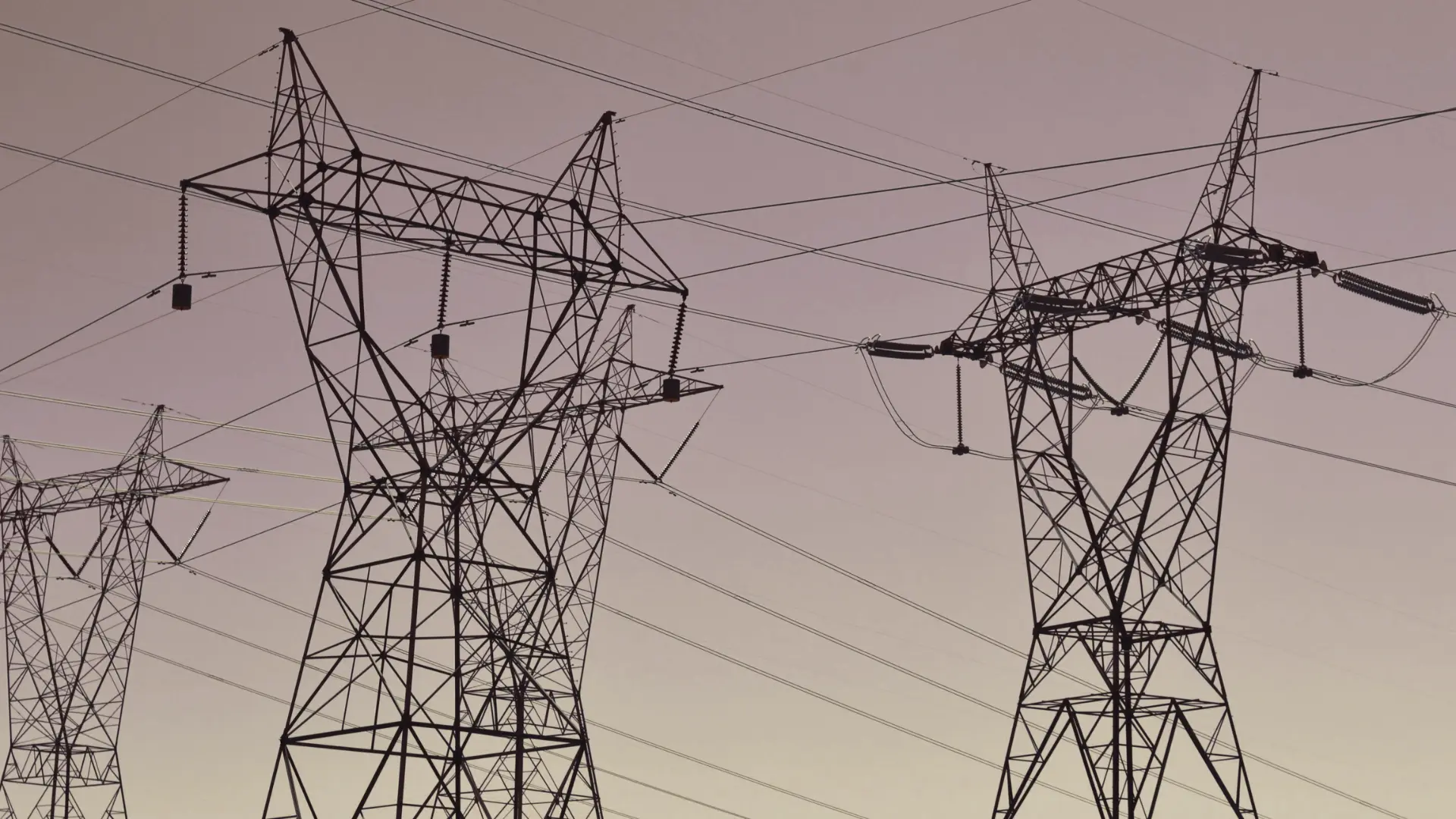
This article explains the development of the electricity supply industry, from its early beginnings to its present form. It highlights major changes, the role of energy deregulation, important innovations, and future energy transition prospects. The electricity industry has transformed the way people live, work, and communicate. What started as small experiments and new ideas has grown into an essential service that supports modern society. This article explores the journey of the electricity industry, showing how it evolved over time and became a vital part of everyday life.
Electricity Industry Timeline
First, this section looks at early discoveries and inventions. These ideas helped shape the modern electricity market. Most of these events happened in the 1800s. They laid the foundation for the electricity industry we know today.
1800s
During the 1800s, early experiments with electricity began. Scientists and inventors played an important role in this period. Michael Faraday made key discoveries in electromagnetism. His work helped create the foundation for electric power generation. Thomas Edison also made major contributions. His inventions made electric lighting practical and widely used..
1878
In 1878, Sir Joseph Swan in the United Kingdom and Thomas Edison in the United States separately developed the incandescent light bulb. This was an important milestone in the history of electric lighting. It helped make electric light more reliable and useful for everyday life.
1881
In 1881, the Godalming power station opened in the United Kingdom. In the same year, the Pearl Street Station opened in the United States. These events marked the beginning of centralized power generation, where electricity was produced in one place and supplied to many users.
1882
In 1882, the first electric transmission lines were developed in Germany. This allowed electricity to be sent over long distances and helped expand the electricity supply.
Next, this section will look at the growth of retail and wholesale energy markets. It will also explain the move toward standard rules and systems in the electricity industry.
1900s
In the early 20th century, electricity networks and power grids expanded quickly. More homes and businesses gained access to electricity. In the United States, the first state regulations for utility companies were introduced. These rules helped control competition and made sure the electricity supply was reliable.
1926
In 1926, the United Kingdom passed the Electricity (Supply) Act. This law created the General Electricity Board and led to the development of the National Grid. It helped standardize electricity supply across the country, making power more reliable and widely available.
1940s-1950s
After World War II, many countries took control of their electricity industries. Governments nationalized these industries to ensure that electricity was available to everyone and fairly distributed.
Next, we move into the modern era, focusing on electricity deregulation and the privatization of power markets. These changes reshaped how electricity is produced, sold, and managed today.
1980s
In the 1980s, the electricity industry began moving toward deregulation. The goal was to lower costs and encourage new ideas through competition. The United Kingdom led this change by privatizing its electricity supply industry, opening it to private companies and market forces.
1990s-2000s
During the 1990s and 2000s, deregulation spread to other countries. In the United States, states like California and Texas restructured their electricity markets. This introduced competition and allowed multiple companies to sell electricity, aiming to improve efficiency and lower prices for consumers.
The Era of Energy Deregulation
Deregulation is the process of removing government controls and allowing competition in the electricity industry. The goal was to make the industry more efficient, lower prices, and encourage new ideas. In deregulated markets, consumers can choose their electricity providers. This created a more competitive and customer-focused industry. However, deregulation also brought challenges, such as price fluctuations and the need for strict rules to protect consumers. Today, energy policies and regulations continue to shape how these markets operate.
Related Blog:
Is Energy Deregulation Good? How It Works & What It Means for Businesses
Innovations and Latest Advancements
The electricity supply industry has experienced many technological improvements over the years. Today, renewable energy sources and efforts to achieve net-zero and carbon-neutral goals are driving change. New technologies are helping make electricity cleaner, more efficient, and more sustainable. Here are some of the latest energy innovations and advancements:
- Energy Storage: Advances in battery technology allow electricity from renewable sources to be stored and managed better. Energy storage supports renewable energy systems and helps with energy efficiency programs, such as demand response, by balancing supply and demand.
- Renewable Energy: Wind, solar, and hydroelectric power are growing rapidly. These sources support the global move toward sustainable energy. Today, many projects benefit from financial incentives and government subsidies, making renewable energy more accessible.
- Smart Grids: Modern power grids now use digital technology to improve efficiency and reliability. This includes artificial intelligence, the Internet of Things (IoT), and smart meters, which help monitor and manage electricity use more effectively.
Energy Transition, Renewable Energy, and Sustainability
The global energy transition aims to move from fossil fuels to renewable energy sources to fight climate change. This shift is changing how electricity is generated and is influencing energy policies and regulations worldwide. Several key movements are driving this transition and shaping a more sustainable energy future:
- Improving Energy Efficiency: New technologies are helping homes and industries use less energy. Examples include smart thermostats, efficient HVAC systems, and building energy management systems.
- Promoting Sustainability: Efforts are being made to reduce carbon emissions and protect the environment. Governments provide subsidies and incentives to support these sustainable energy initiatives.
- Increasing Renewable Energy Capacity: Investments in wind, solar, and hydroelectric power are growing rapidly. This is helping to replace fossil fuels with cleaner energy sources.
Electricity Industry Challenges
Despite many technological advances, the electricity supply industry still faces several challenges.
- Regulatory and Policy Issues: Governments and regulators must navigate complex rules to ensure fair competition. As new technologies emerge, regulations need to allow them to enter the market. For example, regulators are currently working to implement FERC Order 2222, which gives distributed energy resource aggregators access to wholesale markets.
- Grid Modernization: Updating old infrastructure to meet new energy demands is difficult. Transmission lines are aging and costly to reinforce. The central electric grid also places stress on market operators and creates risks for energy security.
- Energy Storage Materials: Storing renewable energy efficiently is challenging. Batteries require raw materials that are often expensive and sourced from conflict zones, like the Democratic Republic of Congo.
Forecast for the Future
The future of the electricity supply industry looks promising. Technology will keep advancing, and sustainability will remain a key focus. As the world moves toward greener energy, the industry will ensure electricity is reliable, efficient, and clean.
- Distributed Energy: New methods to power homes and businesses are being developed. Distributed energy resources allow communities to produce electricity locally, reducing dependence on fossil fuels and increasing energy security.
- Increased Renewable Energy Integration: Investments in renewable energy projects are expected to grow. Governments are also providing financial incentives to support these initiatives.
- Advances in Technology: Innovations in smart grids, energy storage, and electric vehicles will continue to shape the electricity landscape.
Ready to Explore the Electricity Markets?
The electricity supply industry has come a long way since its early days. From the pioneering work of Faraday and Edison to today’s modern, deregulated markets, the industry has constantly evolved to meet society’s needs.
If you want to learn more about electricity markets, reduce energy costs, or improve your business’s energy strategy, we can help. Our team of electricity experts has decades of experience advising customers on their energy needs. Contact us today to find out how we can support you.