
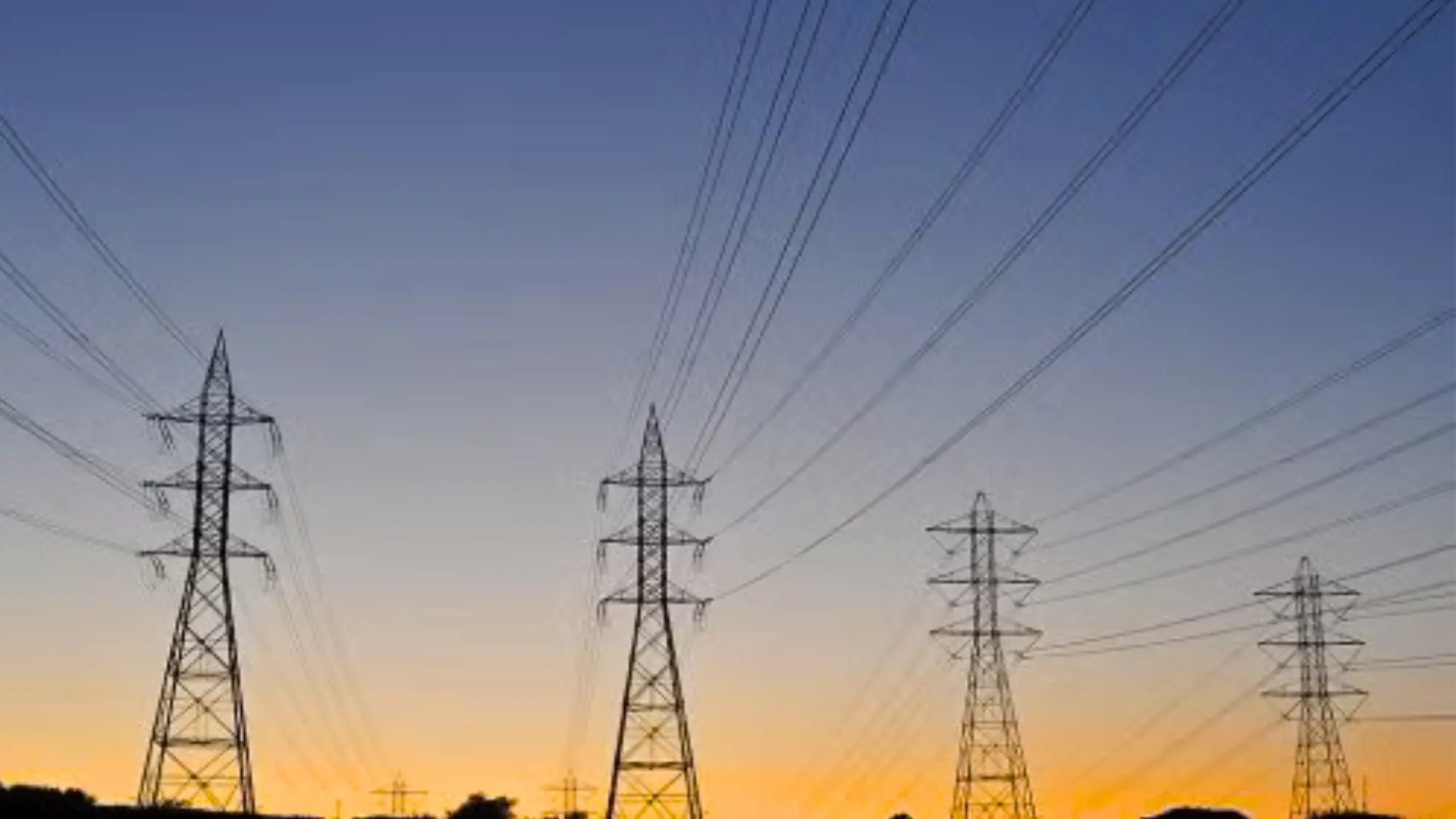
Electric grid operators play a critical role in keeping electricity safe and reliable. They balance energy demand, manage power flow across transmission lines, and make sure electricity reaches homes and businesses efficiently. Their work affects grid reliability, energy pricing, and the overall performance of the system.
In today’s energy world, their importance is growing. Grid operators coordinate electricity generation, transmit it across high-voltage lines, and distribute it without interruption. With more renewable energy and advanced technologies, their job is more complex than ever. This article explains the role of electric grid operators, the challenges they face, and how they influence energy costs and the future of power.
What Do Electric Grid Operators Do?
Electric grid operators, also called system operators, manage the real-time flow of electricity across the grid. Their main goal is to keep supply and demand balanced, ensuring a stable and reliable system. They monitor grid conditions, respond to disruptions, and coordinate electricity generation, transmission, and delivery. Key tasks include:
Forecasting Electricity Demand
Operators predict how much electricity will be needed each hour. This helps make sure there is enough power available.
Scheduling Power Generation
They decide which power plants should operate and when. This matches supply with real-time demand.
Managing Transmission Lines
Operators oversee electricity flow on high-voltage lines, prevent congestion, and reduce energy losses.
Responding To Outages
When disruptions happen, operators act fast to restore power. They reroute electricity and coordinate resources to fix problems.
Related Blog:
How Much Does Electricity Cost in Deregulated Energy Markets?
How Electric Grid Operators Work
Grid operators rely on advanced technology and monitoring systems. Sensors and control centers show them exactly how much electricity is being used and produced. They decide which power plants should run and when, manage transmission lines to avoid overloads, and quickly respond to outages or storms. They also adjust for changes in renewable energy, like solar and wind, and use energy storage systems to balance supply and demand. In short, grid operators make sure electricity is always safe, reliable, and available for everyone.
The Grid Operator’s Role In The Energy Industry
Grid operators are essential for moving electricity from power plants to homes and businesses. They affect the efficiency of the energy system, stability of wholesale prices, and overall energy security. Without effective operators, integrating renewable energy and protecting infrastructure would be very difficult. Operators also support the shift to cleaner energy. They manage variable resources like wind and solar, and coordinate distributed energy systems such as rooftop solar, batteries, and electric vehicles. This ensures the grid stays stable as more renewable energy comes online.
Related Blog:
Understanding the Role of Government in Energy Pricing and Supply
Types Of Power Operators & Their Roles
There are different types of grid operators with specific jobs:
Transmission System Operator (TSO)
TSOs move electricity over long distances via high-voltage lines. They maintain reliability and balance supply and demand across regions.
Distribution System Operator (DSO)
DSOs manage local networks delivering electricity to homes and businesses. They maintain infrastructure, monitor local conditions, and integrate solar panels and storage systems.
Regional Transmission Organization (RTO)
RTOs manage transmission across multiple states. They ensure reliability, run wholesale markets, and plan future transmission needs.
Independent System Operator (ISO)
ISOs operate in smaller regions or single states. They manage grid reliability, balance supply and demand, and oversee wholesale markets, especially in deregulated areas.
Current Grid Challenges In The U.S.
Grid operators face many challenges:
Aging Infrastructure
Much of the U.S. power grid is old, requiring more repairs and raising the risk of outages. Updating the grid is costly and time-consuming.
Renewable Integration
Wind and solar are growing, but can be inconsistent. Operators must find ways to manage these variable energy sources.
Cybersecurity Threats
Digitalization makes the grid easier to control but also vulnerable to cyberattacks. Protecting the grid is critical.
Climate Change
Extreme weather events are more frequent, threatening grid stability. Operators must be ready to respond quickly.
Opportunities For The Future Of The Grid
Despite challenges, there are ways to improve the grid:
Grid Modernization
Smart grids, sensors, and real-time data help operators monitor and manage electricity efficiently. Automated controls and smart meters make the system stronger and more reliable.
Energy Storage
Energy storage can save extra electricity for later. It balances supply and demand, supports renewables, and reduces stress during peak times.
Enhanced Collaboration
Better teamwork between TSOs, DSOs, RTOs, and ISOs improves grid performance and integrates distributed energy resources. Policies like FERC Order 2222 support this coordination.
Decentralized Energy Systems
Consumers producing and storing their own energy, such as solar and batteries, reduce strain on the main grid. Operators can support this by allowing flexible energy management.
What This Means For U.S. Energy Customers
Grid operators ensure electricity is reliable and affordable. Their work leads to fewer outages, more stable prices, and more opportunities for customers to participate in energy programs, like selling excess power back to the grid. Operators also influence the larger energy market. They affect wholesale prices and help renewable energy projects succeed. A well-managed grid encourages innovation and cleaner energy options for everyone.
Related Blog:
Future Technologies That Will Shape the Electricity Market
Want To Learn More About The Role Of The Electric Grid?
Grid operators are the backbone of the energy system. They make sure electricity moves safely from power plants to homes and businesses. At Great Energy 1, we support grid modernization and stay updated with the latest technologies. Our team helps businesses understand these changes and plan for the future. Contact us today to learn how grid improvements may impact your energy strategy.
FAQs
1. What exactly do electric grid operators do?
Electric grid operators manage the flow of electricity across the power grid. They balance supply and demand, schedule which power plants run, monitor transmission lines, and respond quickly to outages. Their goal is to keep electricity reliable and prevent blackouts.
2. Why are grid operators important for renewable energy?
Renewable sources like solar and wind don’t always produce power consistently. Grid operators help manage this variability by coordinating energy storage, battery systems, and distributed energy resources to ensure the grid stays stable.
3. What challenges do U.S. grid operators face today?
They deal with aging infrastructure, the unpredictability of renewable energy, cyber threats, and extreme weather events caused by climate change. These challenges make maintaining a reliable power supply more complex.
4. How does grid modernization benefit energy customers?
Upgrading the grid with smart technology, energy storage, and better coordination helps reduce outages, stabilize energy prices, and allow customers to participate in programs like selling excess solar energy back to the grid.